

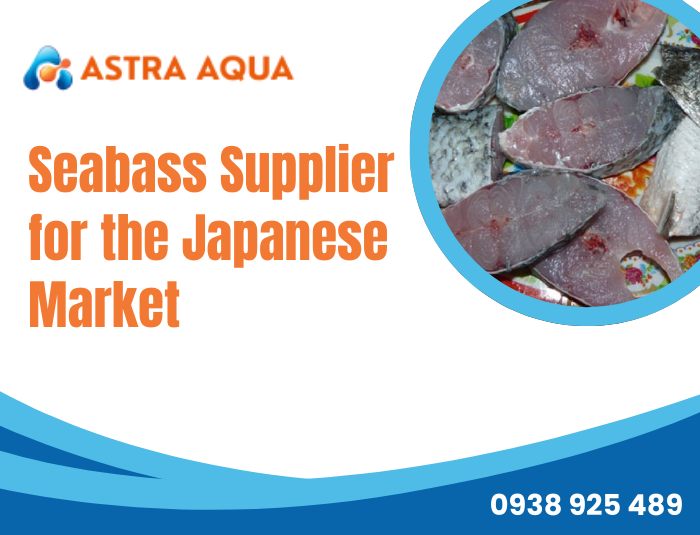
Seabass Supplier for the Japanese Market – Elevating Quality with Astra Aqua
Japan is considered one of the most demanding seafood import markets in the world. Becoming a supplier of Seabass for the Japanese market is not merely about meeting production volume, but also a challenge of standards, quality control, supply chain stability, and traceability transparency.
Astra Aqua is oriented towards long-term development in the premium export Seabass segment, focusing on a stringent quality management system and sustainable cooperation strategies with Japanese partners. This is the foundation for the company to gradually affirm its reputation in this market, which is full of potential yet also presents many challenges.
Contact us now: 0938 925 489
Seabass Market Potential in Japan
Premium Seafood Consumption Trends
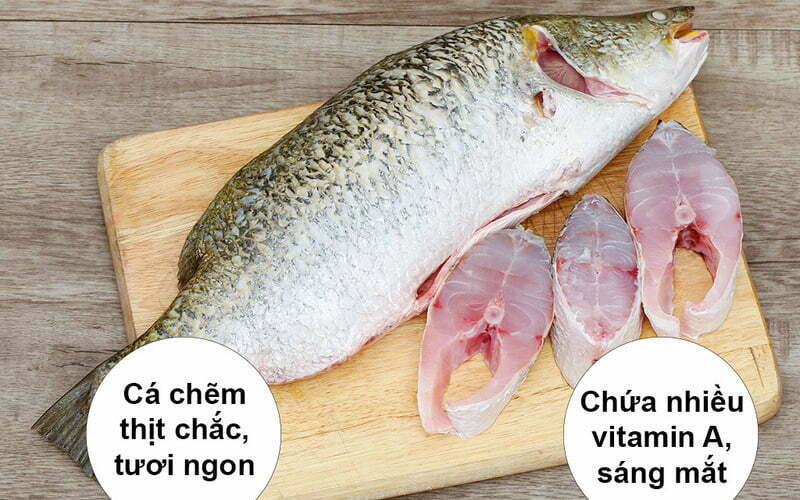
Japanese consumers have a traditional habit of consuming fish daily. The preferred products must ensure freshness, firm flesh texture, and natural flavor. Seabass meets these criteria well due to its:
- White, firm flesh
- Few small bones
- Suitable for sashimi, grilling, steaming
- High nutritional content
Furthermore, Japanese people pay particular attention to food safety and farming origin. Therefore, suppliers need to establish strict control processes from the farming area to the transportation stage.
Opportunities for Vietnamese Businesses
Vietnam has advantages in natural conditions, farming experience, and a modern processing system. If technical and quarantine standards are met, Vietnamese Seabass can significantly increase its market share in Japan.
Astra Aqua positions itself as a bridge between certified farming areas and international markets, optimizing production processes to ensure consistent quality for every export shipment.
Contact us now: 0938 925 489
Seabass Import Standards into Japan
Food Safety Requirements
Seabass exported to Japan must comply with strict regulations regarding:
- Absence of banned antibiotic residues
- Heavy metal content within permissible limits
- Microbial contamination below the regulated levels
- Adherence to HACCP production standards
Inspections can be conducted randomly or on a per-shipment basis. Violations may result in the shipment being returned or destroyed, causing significant losses for businesses.
Traceability and Certification
Japan requires transparent documentation regarding:
- Farming areas
- Feed used
- Harvesting procedures
- Storage systems
Therefore, data management systems and electronic records play a crucial role in maintaining export reputation.
Astra Aqua's Professional Seabass Supply Process
Quality Control from the Farming Area
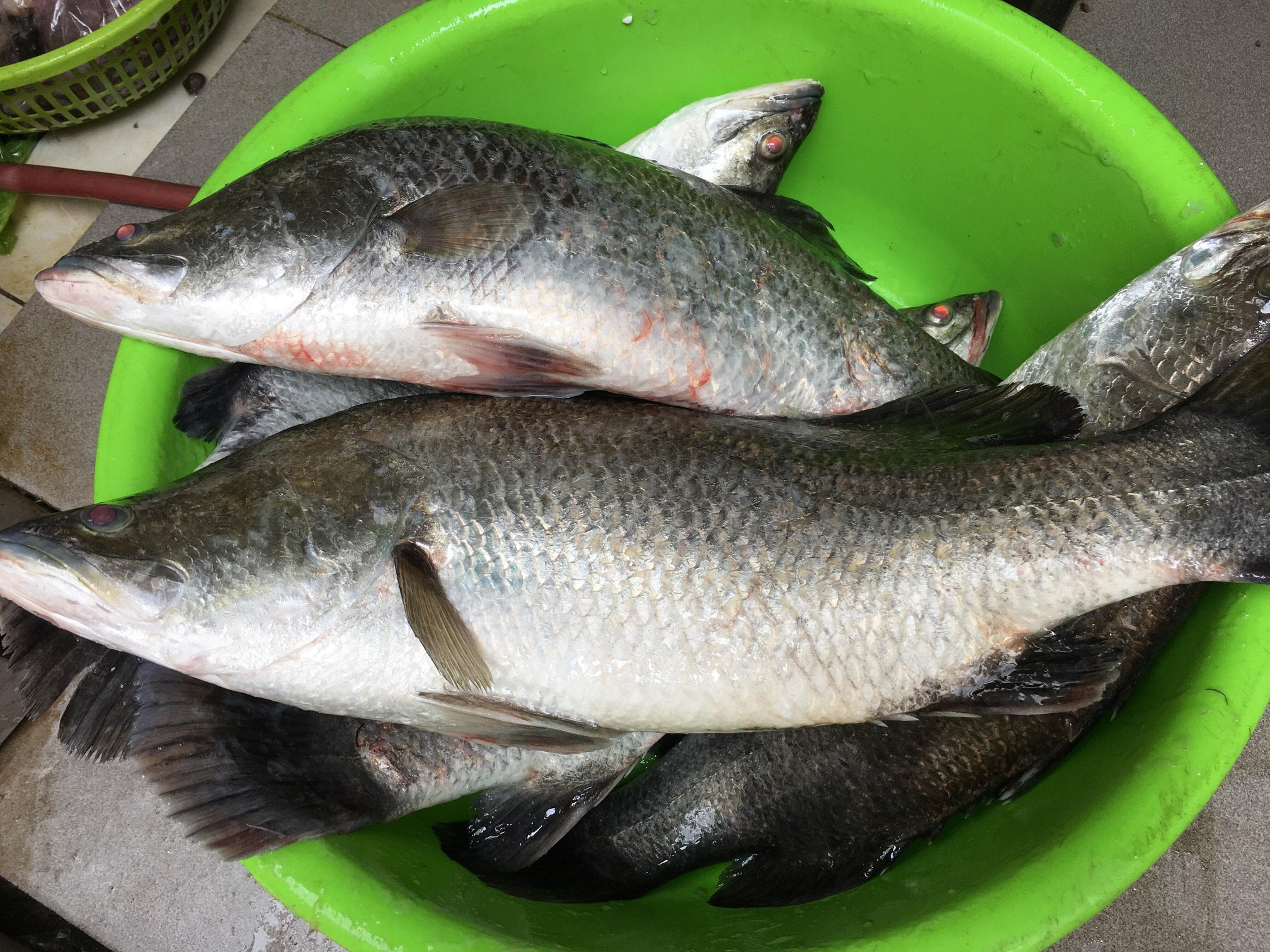
Astra Aqua focuses on cooperating with farming areas that meet international standards, ensuring:
- Controlled water environment
- Standardized feed
- No use of banned antibiotics
- Monitoring of fish growth and health
Strict management from the input stage helps minimize risks during inspection in the importing market.
Contact us now: 0938 925 489
Modern Processing and Storage System
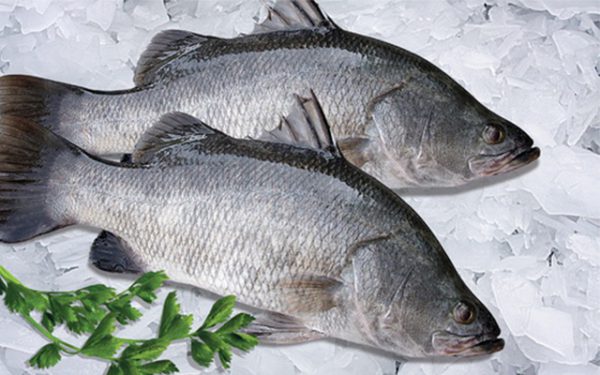
After harvesting, Seabass is processed quickly, maintaining a continuous cold chain to:
- Preserve maximum freshness
- Minimize spoilage
- Ensure flesh structure
The packaging process is suitable for sea or air freight to Japan.
Stable Supply and Export Capacity
The Japanese market prioritizes long-term partnerships. Therefore, Astra Aqua develops stable production plans on a quarterly and annual basis, allowing partners to proactively manage their distribution strategies.
Tilapia Import Regulations in South Korea
Besides the Japanese market, South Korea is also an important destination for Vietnamese seafood. Understanding the import regulations for Tilapia in South Korea helps businesses prepare their documentation well and reduce trade risks.
Quarantine and Food Safety
South Korea requires:
- Quarantine certificates
- Food safety certificates
- No antibiotic residues exceeding limits
- Clear origin documentation
Inspection authorities may take samples for testing at the port of import.
Contact us now: 0938 925 489
Labeling and Packaging Regulations
Products must clearly state:
- Product name
- Country of origin
- Date of production
- Expiration date
- Storage conditions
Packaging must ensure food safety and withstand long transportation periods.
Tariffs and Trade Policies
Depending on bilateral trade agreements, import tariffs may vary. Businesses should stay updated to optimize export costs.
Sustainable Development Strategy in Seabass Exports
Optimizing Quality Over Price Competition
The Japanese market prioritizes stability and safety over low prices. Therefore, the long-term strategy should focus on:
- Brand building
- Process standardization
- Data transparency
- Adding product value
Contact us now: 0938 925 489
Building Long-Term Partnerships
Seafood export is not just a commercial transaction but also about trust. Maintaining consistent quality over time enhances a company's reputation in the international market.
Astra Aqua's Competitive Advantages in the Seafood Industry
- Deep understanding of Japanese and Korean market standards
- Strict quality control processes
- Stable supply of Seabass
- Transparent record management system
- Sustainable development orientation
Astra Aqua is not just a product supplier but also a strategic partner in the global seafood supply chain.
Becoming a Seabass supplier for the Japanese market is a strategic goal that requires systematic investment in quality, processes, and management systems. Simultaneously, understanding the import regulations for Tilapia in South Korea helps businesses expand their market safely and effectively.
With a focus on specialized development, Astra Aqua is committed to providing seafood export solutions that meet international standards, building lasting trust with global partners.
10 Frequently Asked Questions
1. Question: What standards must Seabass exported to Japan meet?
Answer: Products must ensure no banned antibiotic residues, controlled heavy metals, meet HACCP standards, have quarantine certificates, and transparent traceability records according to Japanese regulations.
2. Question: Does Astra Aqua have the capacity to supply large quantities of Seabass?
Answer: Astra Aqua has established stable linked farming areas and production plans by quarter and year, ensuring continuous supply for long-term export partners.
3. Question: How long does it take to export Seabass to Japan?
Answer: Shipping time depends on the logistics method. Sea freight typically takes a few days to over a week, while air freight significantly shortens the time but incurs higher costs.
4. Question: In what forms can Seabass be exported?
Answer: It can be exported as whole fish, fillets, cut pieces, or processed according to partner requirements, ensuring compliance with Japanese market packaging standards.
5. Question: Does Japan conduct frequent import inspections?
Answer: Yes. Japanese authorities conduct periodic and random inspections. If food safety violations are found, shipments may be returned or destroyed.
6. Question: Are South Korea's Tilapia import regulations strict?
Answer: South Korea requires quarantine certificates, food safety certificates, clear origin documentation, and strict control over antibiotic residues.
7. Question: What conditions must packaging for export to South Korea meet?
Answer: Packaging must ensure food safety, clearly state product information, origin, production date, expiration date, and storage conditions according to regulations.
8. Question: Does Astra Aqua assist with export documentation?
Answer: Astra Aqua provides comprehensive legal documentation, quality certifications, and traceability records to facilitate import procedures for partners.
9. Question: What are Astra Aqua's competitive advantages in exporting Seabass?
Answer: The company focuses on quality control from the farming area, maintaining a strict cold chain, data transparency, and developing sustainable partnership strategies.
10. Question: How can I contact to order Seabass for export?
Answer: Customers can directly contact Astra Aqua via hotline 0938 925 489 or email sam.le@astraaquaco.com for consultation and detailed pricing.
Astra Aqua Contact Information
- Astra Aqua
- Hotline: 0938 925 489
- Address: 318 Phan Dinh Phung, Cau Kieu Ward, Ho Chi Minh City, Vietnam
- Email: sam.le@astraaquaco.com
- Tax Code: 0319091146
- Website: https://astraaquaco.com