

Seabass Export Price to Japan – Detailed Market Analysis and Profit Optimization Strategies
Amidst Vietnam's seafood exports strongly shifting towards the high-quality segment, Seabass is increasingly solidifying its position in demanding markets. Japan is one of Asia's leading seafood importers with stringent requirements for food safety, traceability, and sustainability standards.

Contact us now: 0938 925 489
The following article provides an in-depth analysis of the Seabass export price to Japan, factors influencing the price, technical standards, profit margin enhancement opportunities, and market expansion directions. The content is compiled and developed based on specialized industry information from Astra Aqua.
Overview of the Seabass Market in Japan
Japanese Seafood Consumption Demand
Japan has one of the highest per capita seafood consumption rates globally. Marine fish are frequently used in traditional sashimi, sushi, hot pot, and grilled dishes. Current consumer trends focus on fresh, antibiotic-free products with international certifications.
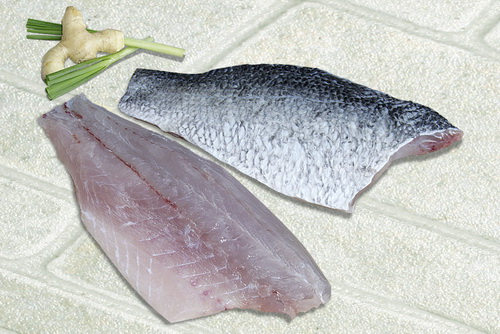
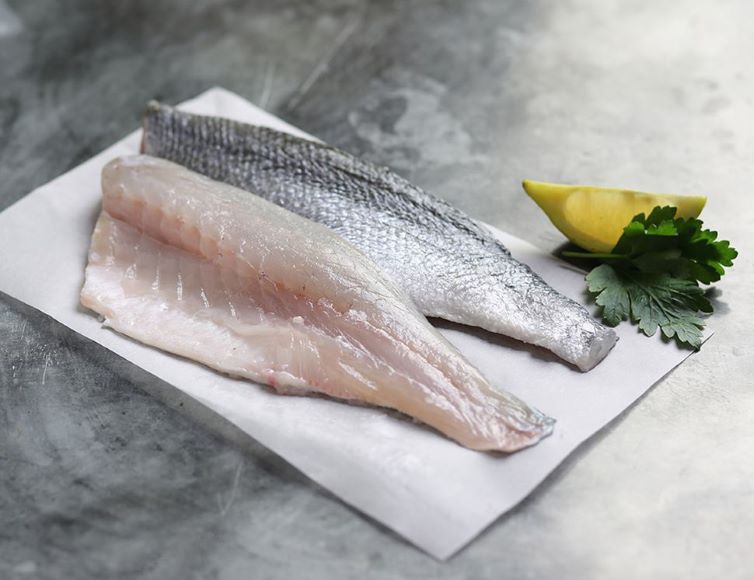
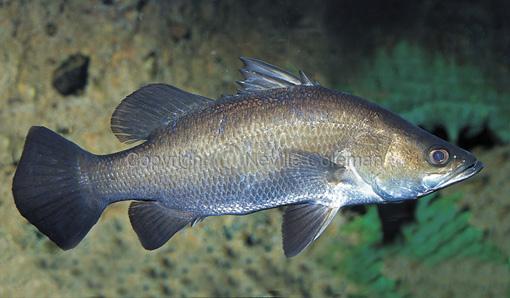
Seabass is highly valued for its white flesh, firm texture, minimal bones, and suitability for various high-end culinary preparations.
Position of Vietnamese Seabass in Japan
Vietnam benefits from year-round Seabass farming due to its tropical climate. Farms meeting ASC and BAP standards enhance credibility for exports to Japan. According to Astra Aqua's analysis, Seabass export volume to Japan shows an upward trend driven by stable quality and competitive pricing compared to countries like Australia.
Contact us now: 0938 925 489
Current Seabass Export Price to Japan
Price by Product Specification
The export price of Seabass depends on product specifications and processing standards. Reference FOB prices range as follows:
- Whole frozen Seabass: approximately 4.5 – 6.5 USD/kg
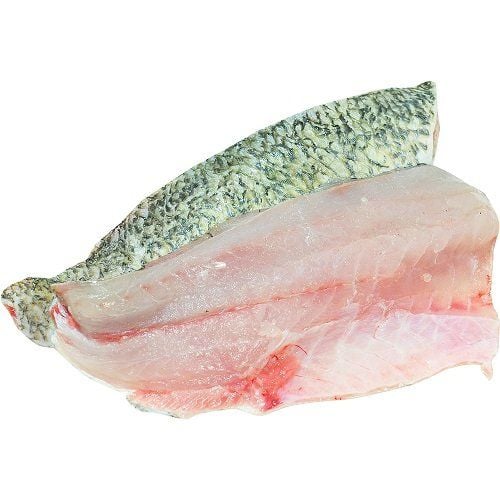
- Frozen fillets: approximately 7.5 – 10 USD/kg
- Premium portion-cut fillets: can reach 11 – 14 USD/kg
CIF prices will be higher depending on shipping costs and cargo insurance.
Factors Affecting Export Prices
The export price of Seabass to Japan is influenced by numerous factors:
- Feed and fry costs
- USD/JPY exchange rate
- International quality certifications
- Refrigerated container costs
- Japanese quarantine policies
Contact us now: 0938 925 489
Quality Standards for Seabass Exports
Food Safety Requirements
Japan strictly controls antibiotic residues, heavy metals, and microorganisms in imported seafood. Astra Aqua must ensure clear traceability records and valid quarantine certificates.
The Role of International Certifications
Certifications such as ASC or BAP enhance the value of Seabass products and build trust with Japanese importers. According to Astra Aqua's strategy, investing in sustainable farming practices is crucial for maintaining stable export prices.
Logistics and Cold Chain Processes
Temperature Control for Preservation
Frozen Seabass must be stored at -18°C or below. Maintaining the cold chain from the factory to Japanese ports ensures quality and minimizes inspection risks.
Shipping Time
Sea freight transit time from Vietnam to Japan typically ranges from 5 to 10 days. Optimizing vessel schedules and efficiently managing refrigerated containers contribute to controlling export costs.
Contact us now: 0938 925 489
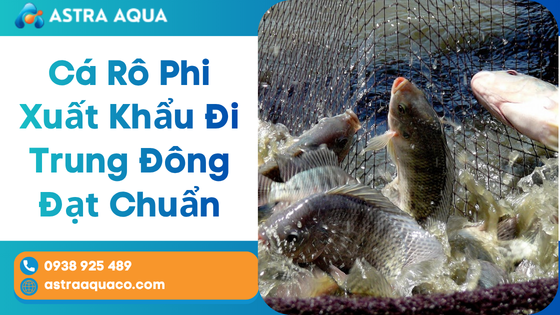
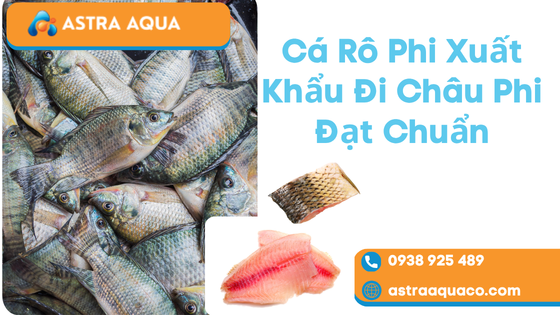
Import Regulations for Tilapia in South Korea
Quarantine and Documentation Requirements
South Korea requires a seafood quarantine certificate, traceability documentation, and correctly labeled products in Korean. Shipments must ensure no antibiotic residues exceed permitted levels.
Random Residue Testing
South Korean authorities conduct random inspections of imported shipments. Violations can result in rejected or destroyed goods, causing significant losses for businesses.
Strategies for Enhancing Seabass Export Value
To optimize profits, businesses should not solely focus on exporting raw materials but also prioritize deep processing, developing value-added products, and building their own brands in Japan.
According to Astra Aqua's direction, investing systematically in the supply chain and international standards will help Vietnamese Seabass maintain high and stable export prices in the long term.
Contact us now: 0938 925 489
10 Frequently Asked Questions
1. What is the current export price of Seabass to Japan?
Answer: The export price of Seabass to Japan ranges from 4.5 – 6.5 USD/kg for whole frozen fish and can reach 11 – 14 USD/kg for premium fillets, depending on specifications and certifications.
2. What factors affect the export price of Seabass?
Answer: Prices are influenced by feed and fry costs, USD/JPY exchange rate, logistics costs, international certification standards, and Japan's quarantine policies.
3. What standards must Seabass exported to Japan meet?
Answer: Products must ensure no prohibited antibiotic residues, meet heavy metal limits according to regulations, and have clear traceability documentation.
4. Do ASC or BAP certifications help increase selling prices?
Answer: Yes. International certifications enhance credibility and often allow Japanese importers to accept higher prices by ensuring sustainability.
5. What are the common delivery terms for Seabass exports to Japan?
Answer: The most common terms are FOB or CIF, depending on the agreement between Vietnamese businesses and Japanese importers.
6. How long does it take to ship Seabass to Japan?
Answer: Sea freight transit time is typically 5-10 days depending on the origin and destination ports, ensuring continuous cold chain maintenance.
7. How can profit margins be increased for Seabass exports?
Answer: Businesses should invest in deep processing, develop value-added products, and build their own brands instead of just exporting raw materials.
8. Does Japan inspect imported seafood shipments?
Answer: Yes. Japanese authorities strictly inspect documentation and may take samples for antibiotic or microbial residue analysis before customs clearance.
9. Are the import regulations for tilapia in South Korea strict?
Answer: South Korea requires a quarantine certificate, traceability documentation, and conducts random antibiotic residue testing. Violations can lead to rejection or destruction of goods.
10. Where can businesses seek export consultation?
Answer: Businesses can contact Astra Aqua via Hotline 0938 925 489 or visit the website https://astraaquaco.com for strategic consultation and industry information.
Astra Aqua Contact Information
- Astra Aqua
- Hotline: 0938 925 489
- Address: 318 Phan Dinh Phung, Cau Kieu Ward, Ho Chi Minh City, Vietnam
- Email: sam.le@astraaquaco.com
- Tax Code: 0319091146
- Website: https://astraaquaco.com
The export price of Seabass to Japan is influenced by many factors, from aquaculture quality to logistics and import policies. Businesses need to build long-term strategies, invest in international standards, and manage costs strictly to maintain competitive advantages.
Sustainable development, transparency, and increasing product value are the keys to helping Vietnamese Seabass conquer premium markets in the region.