

Frozen Whiteleg Shrimp for the Philippine Market – A Strategic Direction for Vietnamese Enterprises
Frozen Whiteleg shrimp for the Philippine market is becoming one of the most lucrative export segments for Vietnam's seafood industry. In the context of increasingly fierce global competition, expanding into ASEAN markets with stable demand, favorable geographical proximity, and manageable technical barriers is a strategy for sustainable growth.
The Philippines is a country with a population of over 110 million, high seafood consumption, and a growing trend of food imports to meet domestic demand. This presents a significant opportunity for Vietnamese Whiteleg Shrimp, especially high-quality frozen products with clear traceability and international standards.

Contact Us Now: 0938 925 489
In this strategy, Astra Aqua plays a crucial role in the supply chain, ensuring that Whiteleg shrimp meets export standards and the stringent requirements of the Philippine market.
Overview of the Philippine Market and Opportunities for Whiteleg Shrimp
Demand for Whiteleg Shrimp Consumption in the Philippines
Filipino consumers have a preference for seafood, especially shrimp. Shrimp is a staple in many traditional and modern dishes, from family meals to fine dining restaurants. The frozen Whiteleg shrimp segment is increasingly popular due to:
- Competitive pricing
- Uniform sizing
- Suitability for industrial processing
- Ease of storage and transportation
Whiteleg shrimp effectively meets the needs of supermarkets, restaurants, and processing plants in the Philippines. This provides a significant advantage for Vietnamese businesses to expand their market share rapidly if they can establish a stable supply chain.
Domestic Supply Gap
Despite aquaculture activities in the Philippines, domestic shrimp production still falls short of meeting consumption demand, especially during peak seasons. Factors such as climate change, diseases, and high production costs lead to an unstable supply.
Therefore, frozen Whiteleg shrimp imported from Vietnam has become a necessary supplementary solution for this market.
Contact Us Now: 0938 925 489
Competitive Advantages of Vietnamese Whiteleg Shrimp
Consistent Quality and Suitability for Processing
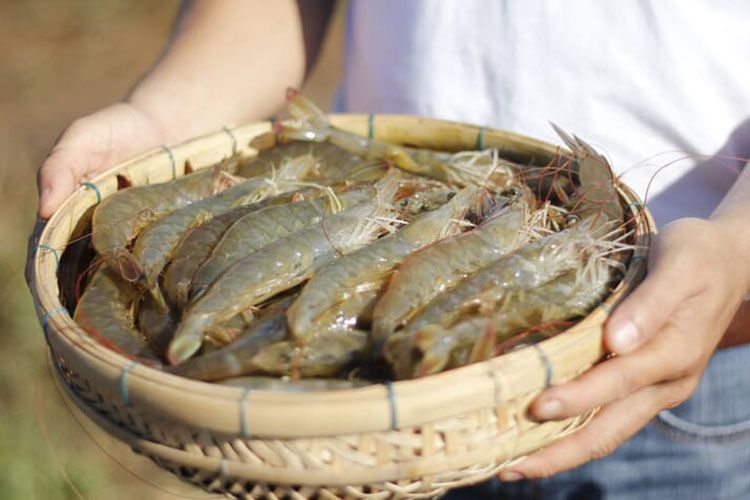
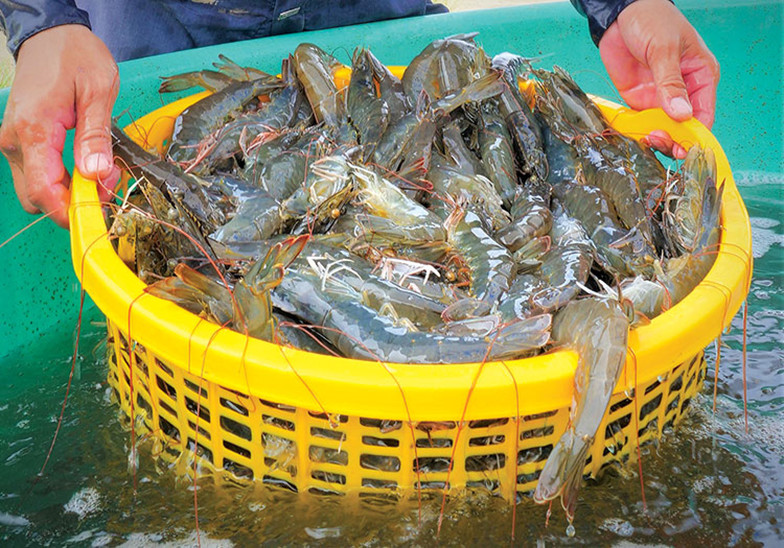
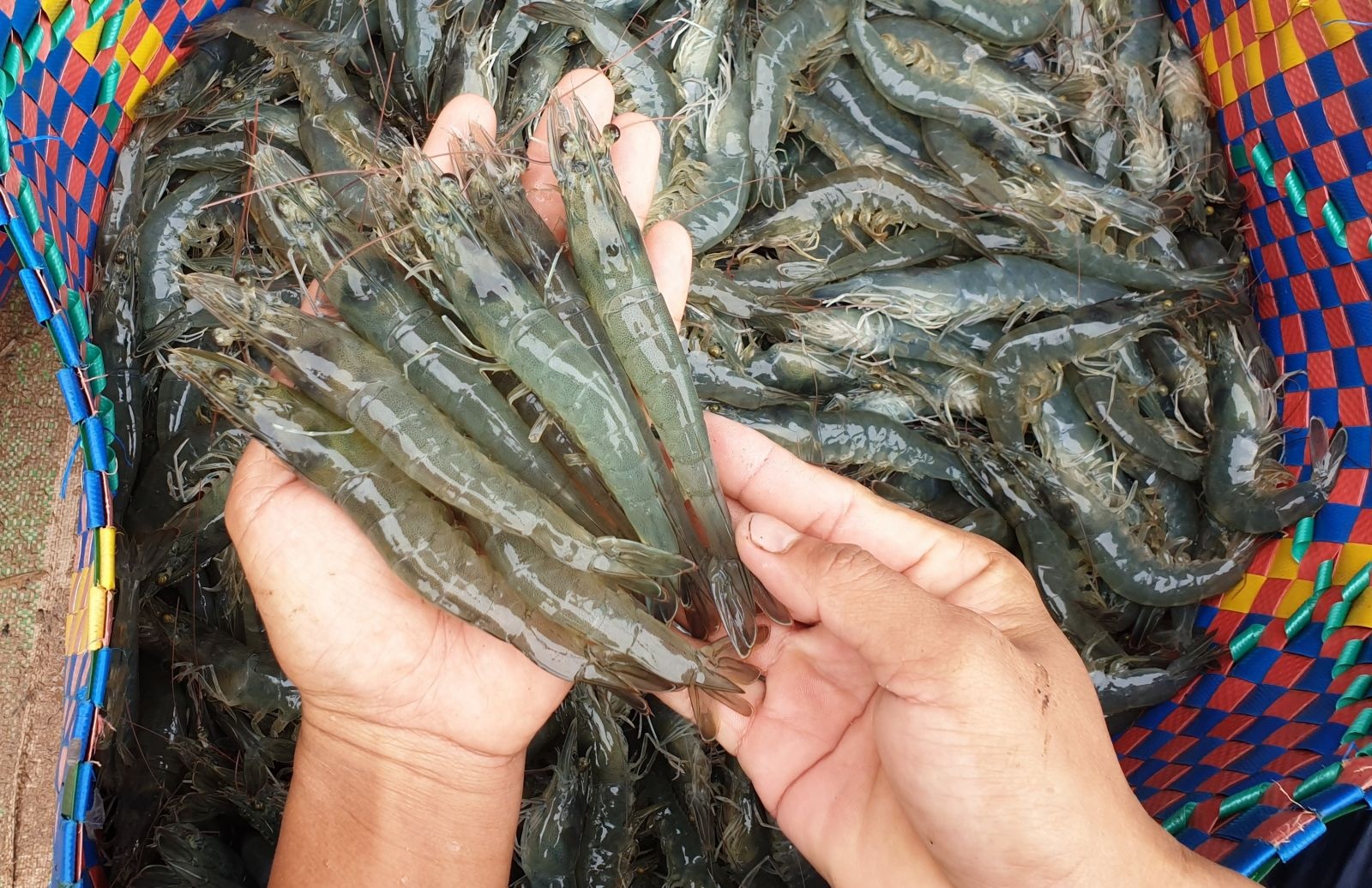
Vietnamese Whiteleg shrimp stands out due to:
- High meat yield
- Bright and attractive color
- Uniform size
Suitable for Industrial Processing Chains
For the Philippine market, with its numerous food processing plants and developed F&B chains, frozen Whiteleg shrimp is an optimal choice due to its stability and suitability for large-scale production.
Geographical and Logistics Advantages
The shipping distance from Vietnam to the Philippines is relatively short. This helps frozen Whiteleg shrimp maintain its quality, reduce logistics costs, and optimize delivery times.
The logistical convenience also allows Astra Aqua to be more flexible in its shipping schedules, responding quickly to large volume orders.
Contact Us Now: 0938 925 489
ASEAN Trade Preferences
Vietnam and the Philippines are both members of ASEAN, facilitating favorable tariffs and trade procedures. This gives Vietnamese Whiteleg shrimp a competitive edge over non-ASEAN countries.
Philippine Import Standards for Whiteleg Shrimp
Food Safety Requirements
The Philippines implements strict regulations for imported seafood products. Frozen Whiteleg shrimp must ensure:
- No antibiotic residues exceeding permissible limits
- Possession of phytosanitary certificates
- Clear traceability documentation
Compliance with Food Safety and Hygiene Standards
Astra Aqua rigorously controls its production processes to ensure that Whiteleg shrimp fully meets these requirements before export.
Contact Us Now: 0938 925 489
Packaging and Labeling Requirements
Exported frozen Whiteleg shrimp must have packaging suitable for deep freezing storage. Labels must clearly indicate:
- Product name
- Origin
- Manufacturing date
- Expiration date
- Storage conditions
Adhering to these regulations ensures a smooth customs clearance process in the Philippines.
Popular Forms of Frozen Whiteleg Shrimp Products
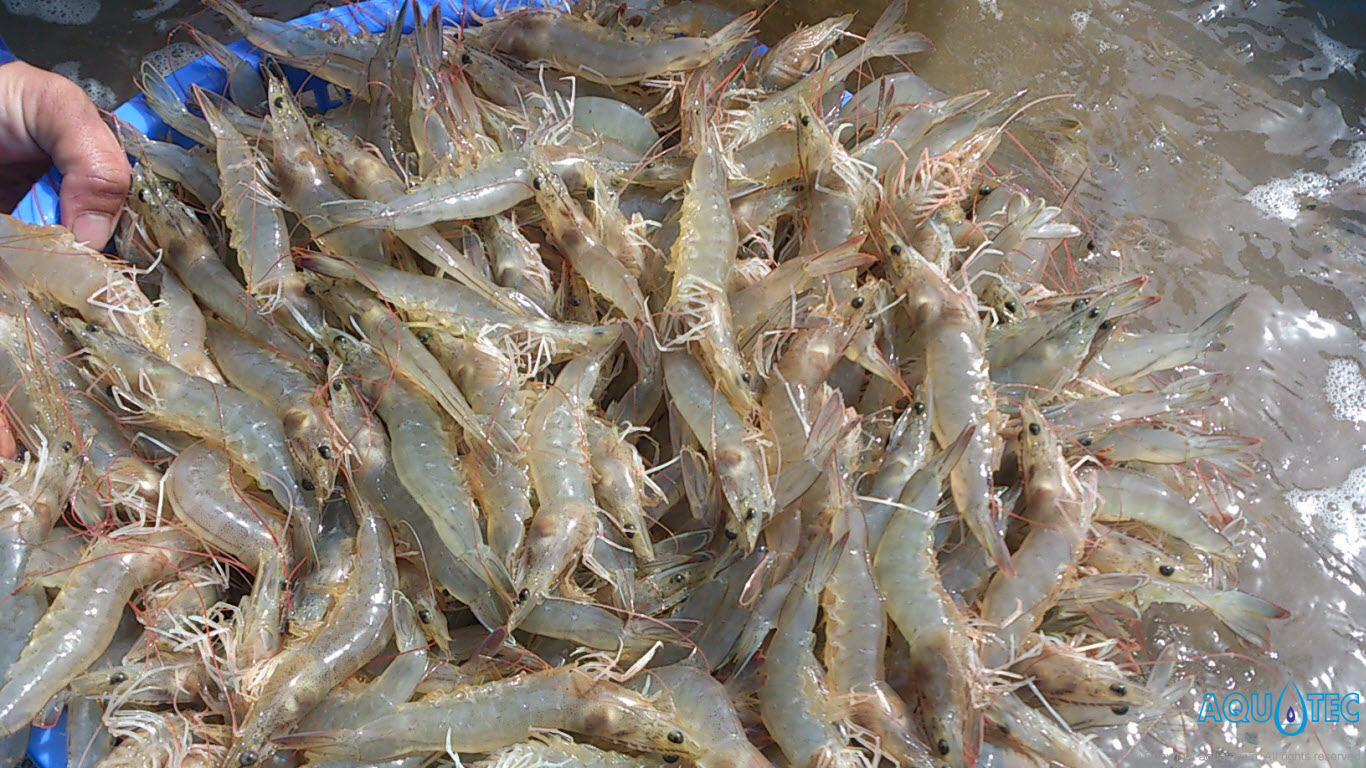
Frozen Whole Round Whiteleg Shrimp
Suitable for restaurants, hotels, and supermarkets. This product line has stable demand in the Philippines.
Peeled and Deveined Whiteleg Shrimp
Ideal for food processing plants, saving preparation time and optimizing labor costs.
Cooked or Further Processed Whiteleg Shrimp
A high-value-added segment catering to modern retail and convenience food markets.
Astra Aqua can supply a diverse range of Whiteleg shrimp products based on importer needs.
Contact Us Now: 0938 925 489
Export Strategy for Whiteleg Shrimp to the Philippines
Building a Stable Supply Chain
The key to successful Whiteleg shrimp exports is the ability to maintain a stable supply, consistent quality, and on-time delivery.
Astra Aqua focuses on controlling the entire process from farming areas, raw material procurement, to freezing to ensure long-term stability.
Product Positioning by Segment
Whiteleg shrimp can be positioned across various segments:
- Competitive pricing for distributors
- Premium segment for restaurants and hotels
- Processing segment for food manufacturers
Clear positioning optimizes profitability and market approach strategies.
Payment Risk Control
Businesses should adopt secure payment methods such as Letters of Credit (L/C) or deposits to minimize financial risks in international transactions.
Astra Aqua's Role in Whiteleg Shrimp Exports
Astra Aqua is a seafood company committed to transparent and professional supply. In the strategy for developing frozen Whiteleg shrimp for the Philippine market, Astra Aqua focuses on:
- Strict quality control
- Complete legal documentation
- Standardized export processes
- Optimized logistics costs
Astra Aqua not only supplies Whiteleg shrimp but also partners with businesses to build sustainable export strategies.
Long-Term Trends for Whiteleg Shrimp in the Philippines
The Philippine market is expected to continue increasing its seafood import demand due to population growth and the trend towards convenience foods.
Frozen Whiteleg shrimp will likely maintain its dominance due to:
- Competitive pricing
- Ease of processing
- Suitability for modern supermarket chains
- Applicability in the food service industry
Vietnamese businesses that invest diligently in quality and brand building will have a significant long-term advantage.
Frozen Whiteleg shrimp for the Philippine market represents a strategic growth opportunity for Vietnamese seafood enterprises. With advantages in quality, geographical location, and ASEAN trade preferences, this product has high competitiveness if supported by a professional supply chain organization.
Astra Aqua plays a vital role in supplying export-ready Whiteleg shrimp, ensuring consistent quality and meeting the stringent demands of the Philippine market.
10 Frequently Asked Questions
1. Is frozen Whiteleg shrimp suitable for the Philippine market?
Answer: Whiteleg shrimp is highly suitable due to its competitive price, uniform size, ease of processing, and ability to meet the demands of restaurants, supermarkets, and food manufacturers in the Philippines.
2. What standards does the Philippines require for importing Whiteleg shrimp?
Answer: Products must ensure food safety, have no antibiotic residues exceeding permitted levels, possess phytosanitary certificates, and have complete traceability documentation as per regulations.
3. Why choose Whiteleg shrimp over Black Tiger shrimp for this market?
Answer: Whiteleg shrimp has advantages in terms of cost, large production volume, suitability for industrial processing, and mass consumption, whereas Black Tiger shrimp is generally positioned in a premium segment.
4. How long does shipping Whiteleg shrimp from Vietnam to the Philippines take?
Answer: Due to close geographical proximity within ASEAN, shipping times are relatively short, helping to maintain frozen quality and optimize logistics costs.
5. Which forms of Whiteleg shrimp products are popular in the Philippines?
Answer: Popular forms include frozen whole shrimp, peeled and deveined shrimp, and cooked or further processed shrimp for retail and processing plants.
6. Are import tariffs for Whiteleg shrimp into the Philippines high?
Answer: As members of ASEAN, many seafood products benefit from preferential tariffs, enhancing the competitiveness of Vietnamese businesses.
7. What is the biggest risk in exporting Whiteleg shrimp to the Philippines?
Answer: The main risks relate to raw material price fluctuations, regional competition, and international payment methods if not managed tightly.
8. Can new businesses export Whiteleg shrimp to the Philippines?
Answer: If they have a stable supply source, good quality control, and complete legal documentation, businesses can definitely tap into this potential market.
9. How to ensure the quality of Whiteleg shrimp during export?
Answer: Strict control is needed from the farming area, procurement process, freezing, storage, and transportation according to international standards to maintain consistent quality.
10. How can Astra Aqua support Whiteleg shrimp exports?
Answer: Astra Aqua provides professional supply solutions, strict quality control, legal documentation support, and optimizes the export process for Whiteleg shrimp to the Philippine market.
10 Frequently Asked Questions
1. Is frozen Whiteleg shrimp suitable for the Philippine market?
Answer: Whiteleg shrimp is very suitable for the Philippine market due to its competitive price, stable supply, diverse sizes, and ability to meet consumption needs from restaurants, supermarkets, to food processing plants.
2. What standards does the Philippines require for importing Whiteleg shrimp?
Answer: Products must comply with food safety regulations, control antibiotic residues, have phytosanitary certificates, traceability documentation, and all necessary export permits as required.
3. Why choose Whiteleg shrimp over Black Tiger shrimp for this market?
Answer: Whiteleg shrimp offers advantages in price, large volume, ease of farming, ease of processing, and suitability for the mainstream consumer segment in the Philippines, while Black Tiger shrimp is generally in a higher-end segment.
4. Which forms of Whiteleg shrimp are popular in the Philippines?
Answer: Popular products include frozen whole shrimp, peeled and deveined shrimp (P&D), peeled, deveined, tail-on shrimp (PDTO), and value-added products for retail and industrial processing.
5. How long does shipping Whiteleg shrimp from Vietnam to the Philippines take?
Answer: Due to the short geographical distance within ASEAN, shipping times are generally brief, helping to ensure frozen quality and optimize logistics costs.
6. Are import tariffs for Whiteleg shrimp into the Philippines high?
Answer: Thanks to ASEAN trade agreements, many seafood items benefit from preferential tariffs, enhancing the competitiveness of Vietnamese businesses.
7. What are the risks of exporting Whiteleg shrimp to the Philippines?
Answer: Some risks include fluctuations in raw material prices, competition from other countries, stringent technical requirements, and international payment risks if suitable control measures are not in place.
8. Can new businesses export Whiteleg shrimp to the Philippines?
Answer: Absolutely, if businesses are well-prepared with stable supply, quality control, an understanding of import regulations, and have established reputable distribution partners in the market.
9. How to ensure the quality of Whiteleg shrimp during export?
Answer: Strict control is required from the farm, harvesting process, rapid freezing, compliant cold storage, and proper cold chain transportation to maintain product quality.
10. How can Astra Aqua support the supply of Whiteleg shrimp to the Philippines?
Answer: Astra Aqua provides export-standard Whiteleg shrimp, rigorous quality control, legal documentation assistance, market consultation, and optimization of logistics processes to ensure sustainable business success for partners.
Contact Information for Astra Aqua
- Astra Aqua
- Hotline: 0938 925 489
- Address: 318 Phan Dinh Phung, Cau Kieu Ward, Ho Chi Minh City, Vietnam
- Email: sam.le@astraquaco.com
- Tax Code: 0319091146
- Website: https://astraquaco.com
Contact Astra Aqua for detailed consultation on professional and effective frozen Whiteleg shrimp supply solutions for export to the Philippines.