

Whiteleg Shrimp Export Prices to South Korea – Comprehensive Market Analysis and Growth Opportunities
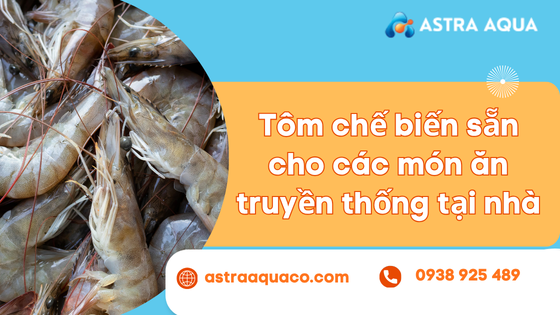
For many years, South Korea has consistently ranked among Vietnam's key seafood import markets. Specifically, whiteleg shrimp holds a significant share due to stable production volume, competitive pricing, and the ability to meet high-quality standards.
Contact us now: 093892548990
The export price of whiteleg shrimp to South Korea is not solely dependent on farming costs but is also influenced by trade policies, exchange rates, quarantine requirements, consumer trends, and global supply chain dynamics. Therefore, Astra Aqua understands that comprehending pricing structures and market dynamics is vital for export businesses.
Overview of the Whiteleg Shrimp Market in South Korea
Seafood Consumption Demand in South Korea
South Korea is a nation with high per capita seafood consumption in the Asian region. Seafood is a regular staple in both traditional and modern meals.
Whiteleg shrimp is favored for its:
- Ease of preparation
- Firm texture and sweet flavor
- Various sizes
- Suitability for multiple price segments
Products are consumed heavily in supermarkets, restaurants, hotels, and ready-to-eat food chains.
Contact us now: 093892548990
Vietnam's Position in the South Korean Market
Vietnam is one of the major shrimp suppliers to South Korea, competing directly with Ecuador, India, and Thailand. Thanks to free trade agreements like the VKFTA, many Vietnamese seafood products benefit from tax advantages, helping to maintain a competitive edge in pricing.
Current Whiteleg Shrimp Export Prices to South Korea
Export prices depend on various factors such as:
- Size (30/40, 40/50, 50/60, etc.)
- Product form (whole, headless, peeled, cooked, IQF)
- Delivery terms (FOB, CIF)
- Quality certifications
Prices typically fluctuate based on seasonality and domestic supply. When aquaculture production decreases or feed costs rise, export prices tend to adjust accordingly.
Furthermore, the cost of refrigerated container shipping and fluctuations in the USD/KRW exchange rate directly impact the final selling price.
Contact us now: 093892548990
Factors Influencing Export Prices
Quality and Quarantine Standards
South Korea has stringent requirements regarding:
- Antibiotic residues
- Heavy metals
- Microbiological contaminants
- Traceability
Even a single non-compliant shipment can result in significant financial losses and reputational damage. Therefore, quality control is a key determinant of the selling price.
Domestic Production Costs
The cost of fry, feed, electricity, labor, and mortality rates all directly impact the final cost. When production costs increase, export profit margins shrink unless selling prices are adjusted.
Logistics and Shipping Costs
Sea freight, cargo insurance, and delivery times are crucial factors. Any disruption in the global supply chain can lead to significant fluctuations in export prices.
Contact us now: 093892548990
Exchange Rates and Trade Policies
Fluctuations in the exchange rate between USD and KRW directly affect contract values. Additionally, changes in South Korea's import policies can increase inspection and procedural costs.
Market Trends for Whiteleg Shrimp in South Korea
Stable but Highly Competitive Market
Astra Aqua considers South Korea to be a stable market with less extreme volatility compared to markets like the US or EU. However, the level of competition is increasing due to strong participation from Ecuador and India.
Growing Demand for Processed Products
South Korean consumers are increasingly favoring convenient food options like whiteleg shrimp. Products such as:
- Cooked shrimp
- Peeled shrimp
- Breaded shrimp
- Pre-packaged shrimp
are experiencing good growth rates and offer higher value compared to raw shrimp.
Sustainability and Traceability Trends
Environmental and sustainability factors are gaining increasing attention. Products with international certifications and transparent sourcing often command higher prices.
Contact us now: 093892548990
Strategies to Optimize Export Prices to South Korea
Control Farming Areas and Quality
Investing in internationally certified farming areas helps reduce the risk of rejected shipments and enhances brand reputation.
Diversify Product Offerings
Instead of solely exporting raw shrimp, businesses should develop value-added products to improve profit margins.
Build Long-Term Partnerships
Long-term contracts help stabilize prices and mitigate market volatility risks.
Astra Aqua's Role in the Export Supply Chain
Astra Aqua operates in the field of supporting and developing sustainable and efficient seafood value chains. With a strategy focused on quality and transparency, Astra Aqua partners with businesses to:
- Enhance farming area standards
- Optimize input costs
- Ensure export compliance
- Facilitate market connections
Effective control from input to output enables businesses to maintain competitive and stable export prices when entering the South Korean market.
Future Growth Prospects
South Korea's shrimp import demand is projected to remain stable due to:
- Growth of the modern retail sector
- Development of ready-to-eat meals
- Limited domestic supply
Vietnamese businesses like Astra Aqua, by effectively managing quality and costs, have ample opportunities to expand market share and improve profitability.
10 Frequently Asked Questions
1. What are the current whiteleg shrimp export prices to South Korea?
Answer: Prices vary based on size, processing method, and delivery terms, fluctuating with market conditions.
2. What is the most significant factor affecting export prices?
Answer: Product quality, production costs, and logistics are the most critical factors.
3. What standards does South Korea require for shrimp imports?
Answer: Strict regulations on antibiotic residues, quarantine, and traceability must be met.
4. Is it advisable to export processed shrimp?
Answer: Yes, as it adds value and increases profitability.
5. Do exchange rates affect export prices?
Answer: Yes, USD and KRW fluctuations directly impact contract values.
6. Can small businesses export to South Korea?
Answer: Yes, provided they meet all standards and have a robust quality control system.
7. What are the common delivery terms?
Answer: FOB and CIF are the two most prevalent delivery terms.
8. How can prices be stabilized long-term?
Answer: Signing long-term contracts and controlling farming areas are effective solutions.
9. What are the advantages of whiteleg shrimp over tiger prawns?
Answer: They are more competitively priced and have more stable production volumes.
10. Does the South Korean market have growth potential?
Answer: Yes, demand for whiteleg shrimp is stable, and the trend for convenient foods is growing.
Contact Information for Astra Aqua
- Astra Aqua
- Hotline: (+84) 938 925 489
- Address: 318 Phan Dinh Phung, Cau Kieu Ward, Ho Chi Minh City, Vietnam
- Email: sam.le@astraaquaco.com
- Tax Code: 0319091146
- Website: https://astraaquaco.com