

Tuna Export to South Korea – Sustainable Development Potential for Vietnamese Seafood
In recent years, tuna has become one of Vietnam's high-value seafood export products. Not only is it strongly consumed in major markets such as the US, Japan, and Europe, but tuna products are also expanding robustly into the South Korean market – a nation with one of the top seafood consumption demands in Asia.
South Korea is renowned for its rich culinary culture, especially dishes using fresh seafood ingredients. Among these, tuna is considered a premium seafood, often appearing in sushi and sashimi restaurants, supermarket chains, and frozen food systems. This presents a significant opportunity for Vietnamese seafood export businesses.
Contact us: 0938 925 489
In this context, Astra Aqua is gradually asserting its position in the field of supplying and exporting tuna to the international market. With a stringent quality control system and stable supply, Astra Aqua provides its South Korean partners with tuna products that meet high standards of quality, food safety, and traceability.
The following article will analyze in detail the market for tuna exports to South Korea, consumption demand, import standards, and Astra Aqua's role in the global seafood supply chain.
Overview of Tuna
Biological Characteristics of Tuna
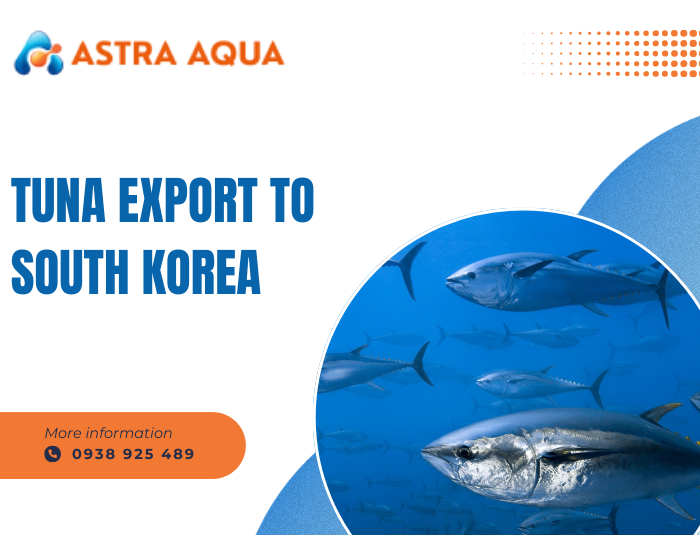
Tuna is a fish belonging to the mackerel family, primarily living in deep sea areas and capable of swimming at very high speeds. This species typically inhabits tropical and subtropical oceanic regions where food sources are abundant and environmental conditions are suitable.
One of the notable characteristics of tuna is its large size, streamlined body, and firm flesh. Thanks to its special muscle structure, tuna flesh has a characteristic dark red color, high protein content, and is rich in omega-3 fatty acids. This is precisely why this fish is popular in the high-end culinary industry worldwide.
Popular Types of Tuna
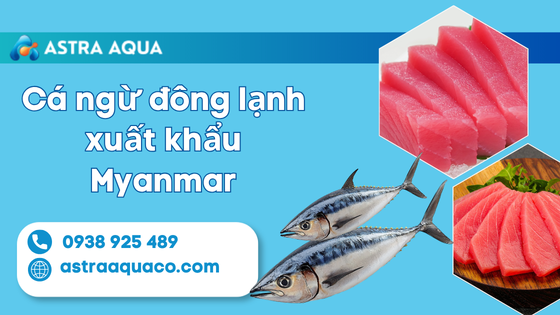
There are many types of tuna currently exploited and exported in the international market. Each type of fish has different flesh characteristics, colors, and commercial value. Among them, some popular types include yellowfin tuna, bigeye tuna, and bluefin tuna.
These types of tuna are often processed into various products such as fresh tuna, frozen tuna, tuna loin, tuna steak, or tuna for sashimi. These products are in high demand in developed markets, especially South Korea.
Nutritional Value of Tuna
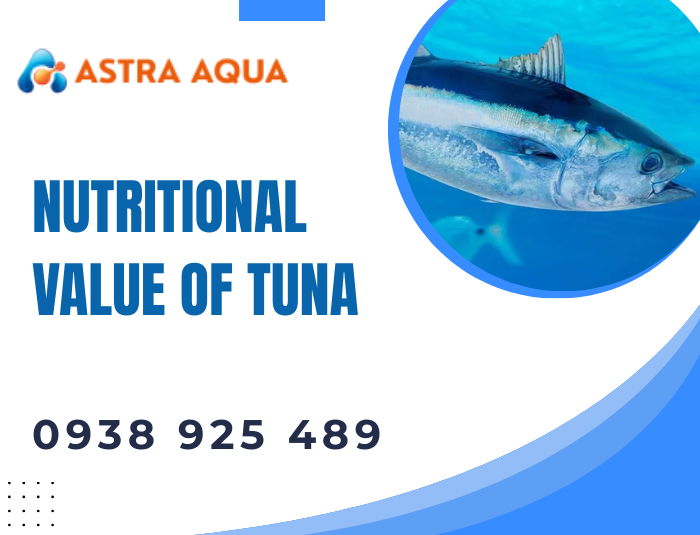
One of the key factors that makes tuna a popular food is its outstanding nutritional value. Tuna flesh contains high-quality protein, which provides energy and supports muscle development.
Additionally, the omega-3 content in tuna is beneficial for cardiovascular health, reducing bad cholesterol, and improving brain function. Furthermore, this fish provides many essential vitamins and minerals such as vitamin B12, vitamin D, selenium, and potassium.
Thanks to these health benefits, tuna is increasingly chosen by South Korean consumers for their daily meals and in the menus of high-end restaurants.
Contact us: 0938 925 489
Tuna Market in South Korea
South Korean Seafood Consumption Culture
South Korea is a nation whose cuisine is closely linked with fresh seafood. The people here have a habit of consuming a large amount of seafood in their daily diet. Therefore, high-quality sea fish always have high demand in this market.
Among these, tuna is considered an important ingredient in many famous dishes. Sushi, sashimi, and seafood restaurants in South Korea often use tuna to prepare premium dishes for their customers.
In addition, large supermarkets and retail chains in South Korea also distribute many products made from tuna, such as frozen tuna, canned tuna, and tuna steak.
Tuna Import Demand
As domestic marine resources are insufficient to meet consumption demand, South Korea imports large quantities of tuna from many countries worldwide. Vietnam is currently becoming one of the important supply sources for this market.
The development of Vietnam's fishing and processing industry has enabled businesses to supply tuna with stable output and high quality. This creates a competitive advantage for export companies like Astra Aqua when approaching the South Korean market.
Tuna Consumption Trends in South Korea
In recent years, South Korean consumers have paid increasing attention to food quality, origin, and food safety standards. Therefore, imported tuna products must meet strict requirements for quality inspection and traceability.
Businesses with good quality control systems like Astra Aqua will have many advantages in supplying tuna to the South Korean market.
Tuna Export Process to South Korea
Sourcing Raw Materials from Fishermen
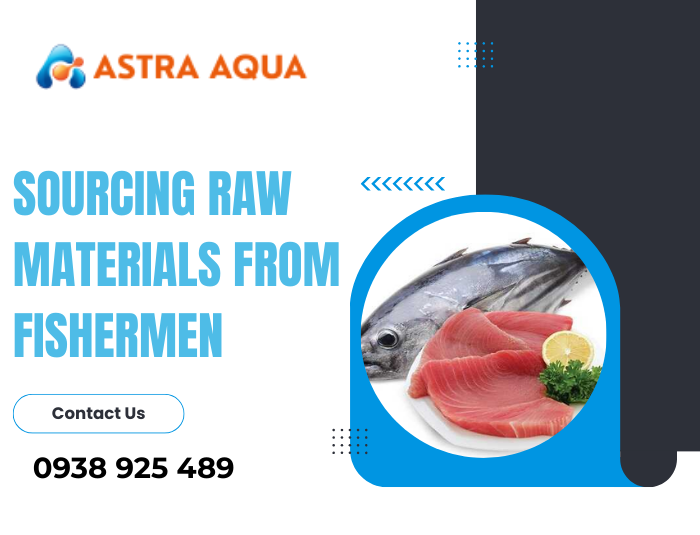
The tuna export process begins with sourcing raw materials directly from offshore fishing vessels. Fish that meet the standards are selected based on freshness, size, and meat quality.
Quality control from the sourcing stage helps ensure that tuna can meet the stringent export standards of the South Korean market.
Contact us: 0938 925 489
Processing and Preservation Process
After being sourced, tuna is transported to the processing plant. Here, the fish is cleaned, filleted, or cut into loins according to the requirements of the importing market.
Processed tuna products are then flash-frozen to maintain freshness and nutritional value. Modern freezing technology helps preserve the fish's quality throughout the international transportation process.
Quality Inspection Before Export
Before export, tuna must undergo several strict inspection steps. Inspection agencies will conduct checks for microorganisms, chemical residues, and food safety standards.
Tuna shipments that meet the standards will be granted export certificates to South Korea.
Astra Aqua's Role in Tuna Exports
Reputable Seafood Supplier
Astra Aqua is a company operating in the field of supplying and exporting high-quality seafood. The company specializes in supplying many seafood products, with tuna being one of its key items.
With a wide network of partners and a professional management system, Astra Aqua is gradually expanding its tuna export markets to many countries, especially South Korea.
Strict Quality Control System
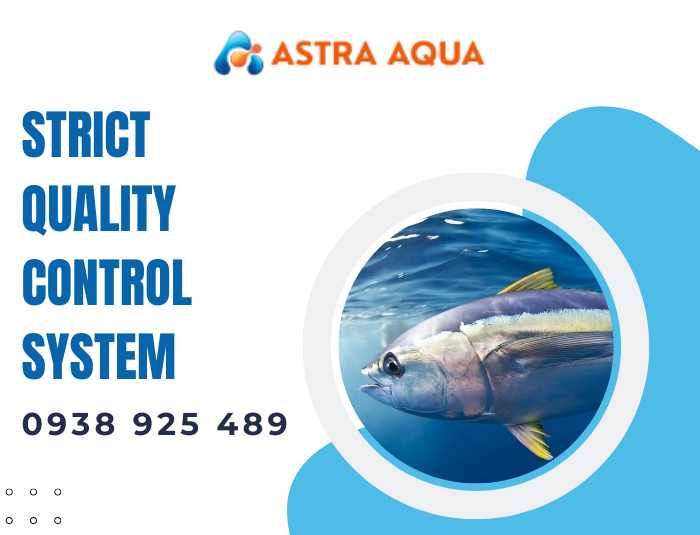
One of the factors that helps Astra Aqua build its reputation in the international market is its strict quality control system. Each batch of tuna is thoroughly inspected from raw material sourcing to finished product.
This quality management process ensures that Astra Aqua's tuna always meets high standards for food safety and quality.
Contact us: 0938 925 489
Expanding International Markets
Not only focusing on the South Korean market, Astra Aqua is also expanding its tuna export operations to many other markets worldwide. This development contributes to enhancing the value of Vietnamese seafood brands in the international market.
Development Potential for Vietnam's Tuna Industry
Opportunities from Trade Agreements
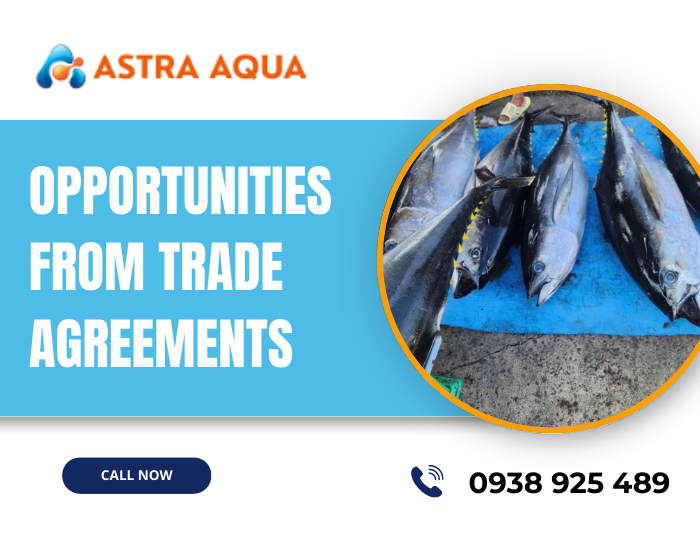
Free trade agreements between Vietnam and South Korea have created favorable conditions for tuna exports. Import duties have been significantly reduced, making Vietnamese tuna products more competitive.
Thanks to this advantage, companies like Astra Aqua have the opportunity to expand their market share in South Korea.
Contact us: 0938 925 489
Developing a Sustainable Supply Chain
For the tuna industry to develop sustainably in the long term, building a sustainable supply chain is crucial. This includes improving fishing quality, enhancing preservation technology, and strengthening product quality control.
Companies with sustainable development strategies like Astra Aqua will play an important role in enhancing the value of Vietnamese tuna.
Astra Aqua Contact Information
- Company: Astra Aqua
- Address: 318 Phan Dinh Phung, Cau Kieu Ward, Ho Chi Minh City, Vietnam
- Hotline: 0938 925 489
- Email: sam.le@astraaquaco.com
- Website: https://astraaquaco.com
- Tax Code: 0319091146
Astra Aqua is a unit specializing in supplying and exporting high-quality tuna, meeting international standards and the demands of the global market, especially the South Korean market.