

Tilapia Supplier for Japanese Restaurants
Tilapia Standards for Japanese Cuisine
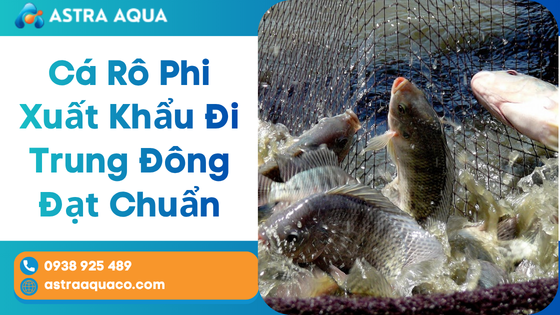
With the robust international expansion of Japanese cuisine, restaurants, sushi chains, izakayas, and Japanese F&B systems are placing greater emphasis on stable, high-quality, and food-safe seafood sourcing. In this context, Tilapia is emerging as a promising option, thanks to its white flesh, mild flavor, firm texture, and competitive price point.
For Vietnamese export businesses, meeting the stringent standards of Japanese restaurants regarding freshness, processing procedures, and traceability is crucial for establishing long-term partnerships. Astra Aqua is a specialized seafood export supplier, dedicated to developing tilapia solutions that meet the standards required by Japanese restaurants.

Contact us now: 0938 925 489
Tilapia's Potential in Japanese Restaurant Systems
Seafood Consumption Trends in Japanese Cuisine
Japanese cuisine emphasizes freshness, natural flavors, and culinary refinement in every dish. Alongside traditional fish varieties, Japanese restaurants are seeking alternative ingredients that offer stable pricing and a consistent supply. Tilapia meets these criteria with its white flesh, firm texture, and ease of preparation.
Tilapia can be used in:
- Teriyaki grilled fish
- Tempura fried fish
- Japanese-style fish rice bowls
- Bento box sets
- Chain restaurant meal menus
Why Tilapia is Suitable for Japanese Restaurants
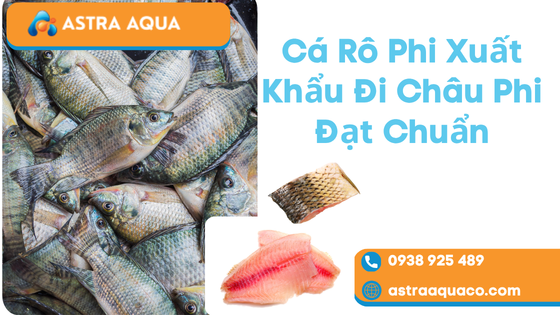
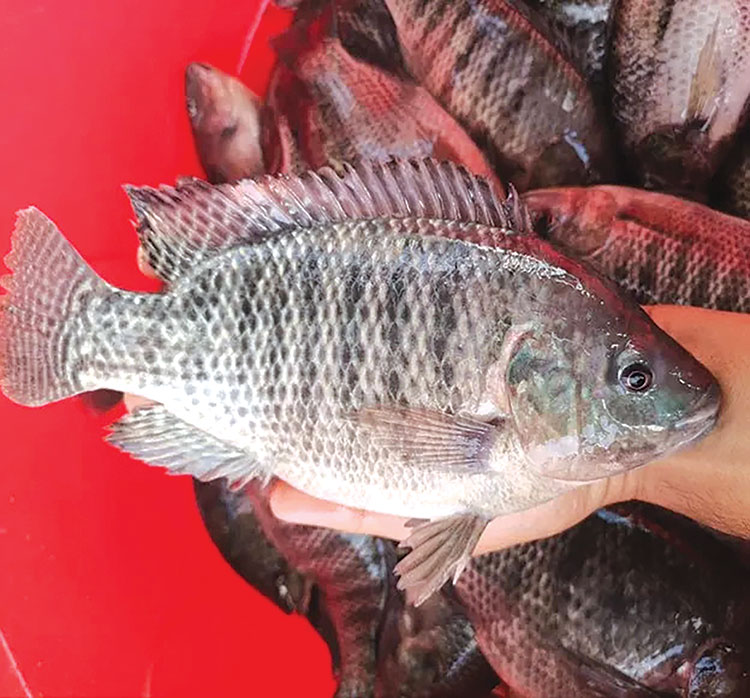
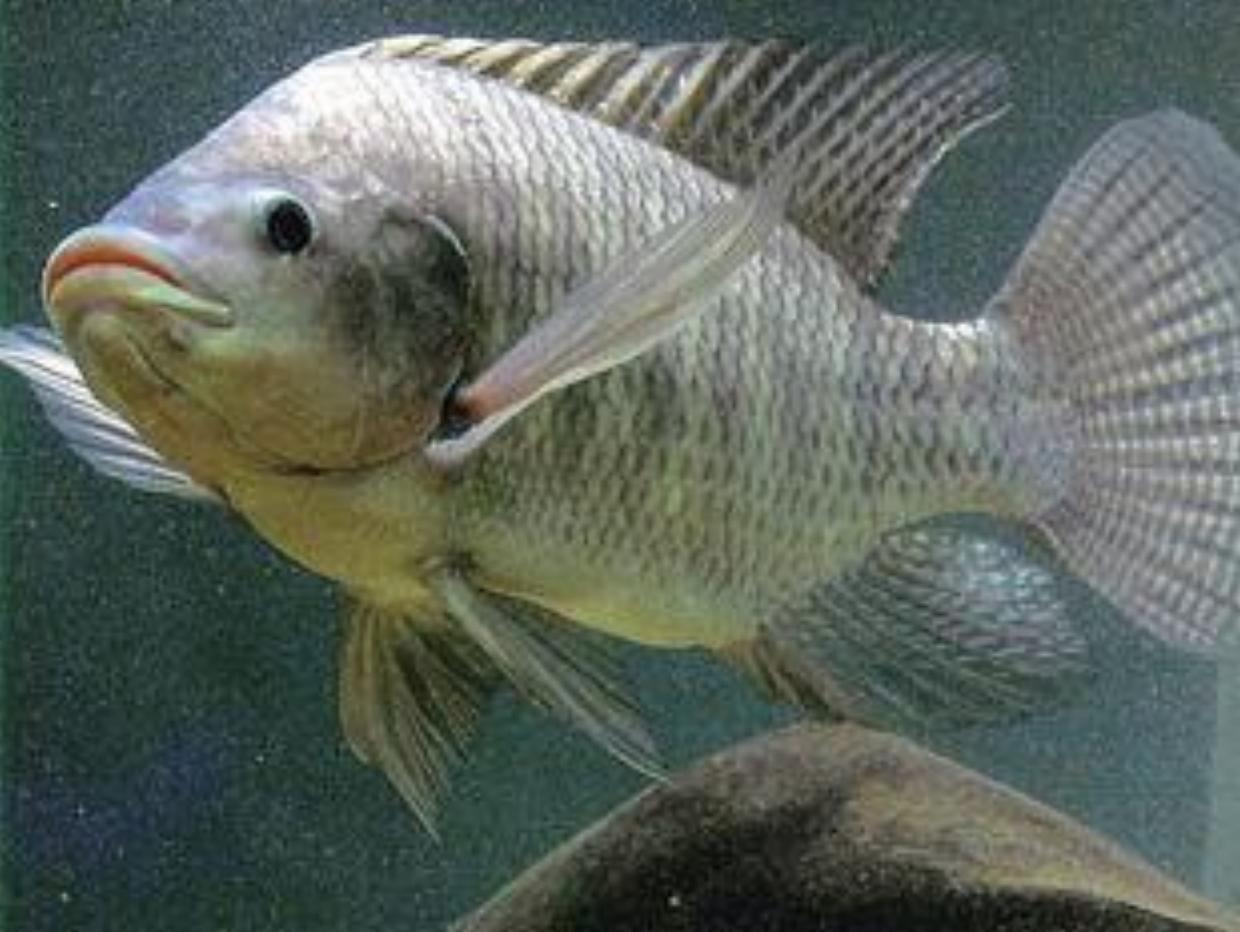
Tilapia boasts bright white flesh and a minimal muddy odor when raised and processed according to strict standards. This is a critical factor when serving Japanese customers, who are particularly sensitive to the taste and freshness of seafood.
- Firm flesh that holds its shape well when sliced
- Ideal for crispy tempura frying
- Easily marinated with teriyaki or miso sauces
- Cost-effective for restaurant chains
Contact us now: 0938 925 489
Astra Aqua – Professional Tilapia Supplier for Japanese Restaurants
Astra Aqua has developed an integrated value chain, from farming and processing to export, ensuring that our tilapia meets the rigorous standards of the Japanese market.
Supply Capabilities
- Stable, year-round raw material supply
- Strict quality control processes
- Diverse product range: whole fish, fillets, portions, frozen
- Custom processing to meet specific Japanese restaurant requirements
We partner with our clients to standardize export documentation and meet the strict technical requirements of the Japanese market.
Contact us now: 0938 925 489
Quality Standards for Tilapia in Japanese Restaurants
Japanese restaurants have high requirements for:
- Freshness and color of the fish flesh
- Absence of off-odors and bruising
- Firm flesh texture
- No antibiotic residues
Glazing rates must adhere to agreements, ensuring precise and consistent weights across all batches.
Cold Chain and Storage Procedures
Tilapia exported to Japan must maintain stable storage temperatures throughout the transportation process to preserve the flesh structure and freshness for preparation.
Contact us now: 0938 925 489
Competitive Advantages of Vietnamese Tilapia
Vietnam possesses numerous advantages in tilapia production and export:
- Farming areas meeting international standards
- Competitive costs
- Experience exporting to discerning markets
- Modern processing facilities
Astra Aqua leverages these advantages to supply Tilapia that meets the standards for Japanese restaurant systems both domestically and internationally.
Cooperation Opportunities with Japanese Restaurant Chains
We aim to provide:
- Long-term supply contracts
- Private label processing (co-packing)
- Stable, large-volume production capacity
- Export documentation support
Sustainable cooperation is built not only on pricing but also on a commitment to quality and long-term stability.
Contact us now: 0938 925 489
10 Frequently Asked Questions
1. Is tilapia suitable for Japanese cuisine?
Answer: Tilapia has white flesh, a mild taste, and a firm texture, making it suitable for tempura, teriyaki, and Japanese-style fish dishes.
2. What standards do Japanese restaurants require for tilapia?
Answer: Products must be free from off-odors, have no antibiotic residues, meet food safety standards, and have clear traceability.
3. Which product forms are preferred?
Answer: Uniformly sized frozen fillets are a popular choice due to their convenience and time-saving preparation.
4. Can tilapia be used for sushi?
Answer: Typically, tilapia is more suited for grilled and fried dishes. However, if it meets sashimi-grade processing standards, it can be used flexibly according to requirements.
5. Is the price of tilapia competitive?
Answer: Compared to many premium sea fish, tilapia offers stable pricing and helps optimize operational costs for restaurant chains.
6. How can muddy odor be prevented?
Answer: Standardized farming processes, clean water treatment, and a closed-loop processing system effectively control odor.
7. What is the shelf life of frozen tilapia?
Answer: Depending on storage conditions, it is typically 12–24 months if the cold chain is maintained according to standards.
8. Can orders be customized by size?
Answer: Yes, Astra Aqua supports fillet cutting and packaging according to the specific requirements of each restaurant.
9. Does Astra Aqua support export to Japan?
Answer: We provide full support for documentation, certifications, and international standard transportation processes.
10. How can we establish a long-term partnership?
Answer: Contact us directly for a consultation on supply solutions tailored to your business model and desired volume.
Astra Aqua Contact Information
- Astra Aqua
- Address: 318 Phan Dinh Phung, Cau Kieu Ward, Ho Chi Minh City, Vietnam
- Hotline: 0938 925 489
- Email: sam.le@astraaquaco.com
- Tax Code: 0319091146
- Website: https://astraaquaco.com
If you are looking for a reliable tilapia supplier for your Japanese restaurant system, contact Astra Aqua for detailed consultation and to build a long-term partnership solution.