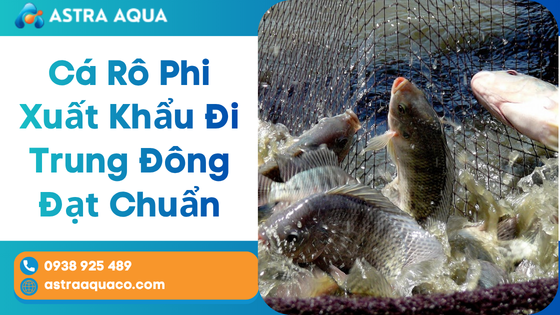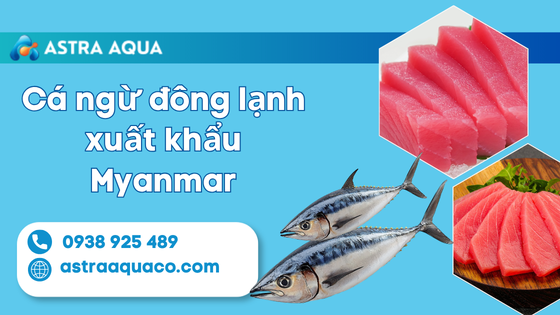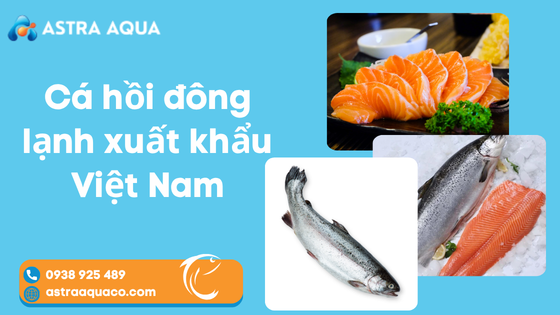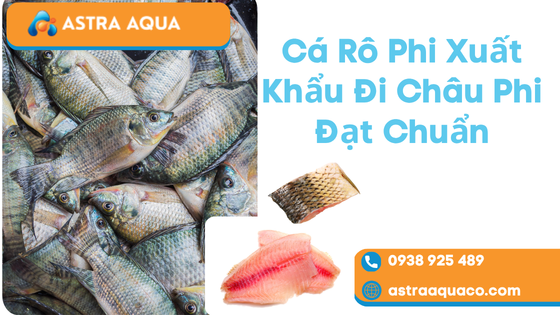


Tilapia Price in the Korean Market – Comprehensive Analysis from an Export Perspective
In recent years, the Korean market has been recognized as a potential destination for Vietnamese seafood, especially Tilapia. However, the key to success lies not only in product quality but also significantly in pricing strategy. Understanding the tilapia price in the Korean market, its contributing factors, and fluctuating trends will help businesses build a sustainable export plan.
From the perspective of an international seafood trading company, Astra Aqua focuses on in-depth analysis of price-related aspects, from supply and demand, import regulations, logistics costs, to product positioning strategies.

Contact us now: 0938 925 489
Overview of the Tilapia Market in South Korea
Increasing Demand for White Fish
Korean consumers tend to choose white fish that are boneless, easy to prepare, and suitable for various modern culinary styles. Tilapia effectively meets these criteria due to its:
- White flesh with a mild flavor
- High protein content
- Versatility for grilling, frying, and steaming
Competitive Pricing Compared to Other Imported Fish
The strong growth of supermarkets, convenience store chains, and online food commerce has led to a stable demand for imported frozen tilapia.
The Role of Imported Supply
South Korea is not a major producer of tilapia. The majority of the supply comes from imports. This presents an opportunity for Vietnamese businesses, including Astra Aqua, to become deeply involved in the supply chain.
Current Tilapia Prices in the Korean Market
Price Segmentation by Product Form
Tilapia prices in South Korea vary depending on the product form:
- Whole frozen fish
- Frozen tilapia fillets
- Breaded fillets
- Ready-to-eat processed products
Frozen fillets generally command higher prices than whole fish due to processing costs and more stringent quality requirements.

Contact us now: 0938 925 489
Segmentation by Distribution Channel
Wholesale prices at ports differ from wholesale prices for restaurants, and further from retail prices at supermarkets. This price difference includes:
- Import costs
- Cold storage fees
- Domestic distribution fees
- Retailer profit margins
Astra Aqua meticulously analyzes each distribution channel to develop pricing strategies tailored to specific partners.
Factors Influencing Tilapia Prices in South Korea
Production Costs in Vietnam
The price of exported tilapia is affected by:
- Fry costs
- Aquaculture feed
- Electricity and water costs
- Labor costs
- Mortality rates
Effective control of farming areas helps stabilize input costs.
Contact us now: 0938 925 489
South Korea's Import Regulations
Strict requirements regarding food safety, quarantine, and traceability increase compliance costs, directly impacting export prices.
When shipments face enhanced inspections or customs clearance delays, additional costs such as container demurrage and storage fees will inflate the final price.
International Logistics Costs
Refrigerated container shipping rates fluctuate based on:
- Fuel prices
- Maritime transport supply and demand
- Global trade conditions
For frozen products like tilapia, the cost of maintaining the cold chain constitutes a significant portion of the total price.
Exchange Rates
The price of tilapia exported to South Korea is typically traded in USD. Fluctuations in the USD/KRW exchange rate can affect the purchasing power of importers.
Contact us now: 0938 925 489
Comparing Vietnamese Tilapia Prices with Other Countries
Competition from China
China is one of the largest tilapia exporters. While its prices are competitive, they are often influenced by trade policies and quality control measures.
Vietnam's Advantages
Vietnamese tilapia offers advantages such as:
- Consistent meat quality
- Standardized farming processes
- Competitive costs
- Preferential tariffs under trade agreements
Astra Aqua leverages these advantages to optimize selling prices and enhance its competitive position.
Trends in Korean Tilapia Prices in Recent Years
Stable but Subject to Cyclical Fluctuations
Tilapia prices are generally more stable than those of premium sea fish. However, they are still subject to fluctuations due to:
- Seasonal variations
- Disease outbreaks
- Global economic volatility
- Transportation costs
Impact of Consumer Trends
Korean consumers are increasingly prioritizing:
- Clean products
- Absence of antibiotic residues
- Clear traceability
This trend allows products meeting high standards to command better prices.
Contact us now: 0938 925 489
Effective Pricing Strategies for Tilapia Exports
Value-Based Pricing Over Low-Cost Competition
Instead of engaging in price wars, businesses should focus on:
- Consistent quality
- Professional packaging
- Marketing support for importers
- Commitment to timely delivery
Astra Aqua positions its products for sustainable value rather than competing on price reduction.
Optimizing Supply Chain Costs
Optimizing production processes, reducing waste, and working with reputable shipping lines help maintain more stable prices.
Impact of Import Regulations on Tilapia Prices
South Korea's import regulations for tilapia directly affect costs and selling prices:
- Increased microbial testing
- Requirements for additional certifications
- Labeling regulations
Non-compliant businesses risk shipment rejection, leading to significant losses.
Astra Aqua proactively stays updated on new regulations to mitigate risks and maintain stable cost control.
Opportunities and Challenges for Vietnamese Businesses
Opportunities for Market Expansion
South Korea is a market with strong purchasing power, modern distribution systems, and high standards. Meeting these standards can lead to long-term relationships.
Competitive Pressure
Competition arises not only from price but also from:
- Quality
- Brand reputation
- After-sales service
Astra Aqua focuses on building an image as a professional, transparent, and reliable partner.
Sustainable Development Orientation
In the long term, tilapia prices in the Korean market will depend on:
- Quality control capabilities
- Application of technology in aquaculture
- Upgrading processing standards
- Building own brands
Businesses need to shift from a short-term sales mindset to a long-term development strategy.
The tilapia price in the Korean market is not just a figure representing transaction costs but also reflects supply chain management capabilities, compliance with import regulations, and the brand positioning strategy of businesses.
In the context of global competition, Astra Aqua focuses its development on quality, transparency, and stability. Understanding the factors influencing prices helps businesses be more proactive in their production and export plans for Tilapia to South Korea.
10 Frequently Asked Questions
1. What is the current price of tilapia in South Korea?
Answer: Tilapia prices in South Korea vary depending on the type (fresh, frozen, fillet), import source, and season. On average, it can range from 3-7 USD/kg for imported frozen products.
2. In what forms is tilapia mainly exported to South Korea?
Answer: Tilapia exported to South Korea is commonly in the form of frozen fillets, cleaned frozen whole fish, or vacuum-sealed portions for supermarkets and restaurants.
3. Does Vietnam export tilapia to South Korea?
Answer: Yes. Vietnam is one of the countries supplying tilapia to the Korean market, alongside China and Indonesia.
4. What factors influence tilapia prices in South Korea?
Answer: Prices are affected by shipping costs, USD/KRW exchange rates, aquaculture production, import tax policies, logistics costs, and domestic consumption demand.
5. Is the price of tilapia in South Korea higher than in Vietnam?
Answer: Typically, retail prices in South Korea are higher than in Vietnam due to added costs of transportation, cold storage, taxes, and distribution through the retail system.
6. Which countries does South Korea import tilapia from?
Answer: South Korea primarily imports tilapia from China, Vietnam, and some Southeast Asian countries with large aquaculture production.
7. Is the demand for tilapia consumption in South Korea increasing?
Answer: Demand is steadily increasing due to the trend of consuming protein-rich, low-fat foods at reasonable prices compared to premium seafood.
8. What is the price difference between frozen tilapia and fresh tilapia in South Korea?
Answer: Fresh tilapia typically costs 15-30% more than frozen due to storage requirements and shorter distribution times.
9. What is the import tax for tilapia into South Korea?
Answer: The tax rate depends on the trade agreement between South Korea and the exporting country. Some countries benefit from preferential tariffs under FTAs.
10. How to get the most accurate tilapia prices for the Korean market?
Answer: It is advisable to monitor information from international seafood exchanges, Korean customs reports, import companies, or seafood associations for weekly/monthly updated data.
Contact Information Astra Aqua
- Astra Aqua
- Address: 318 Phan Dinh Phung, Cau Kieu Ward, Ho Chi Minh City, Vietnam
- Hotline: 0938 925 489
- Email: sam.le@astraaquaco.com
- Tax Code: 0319091146
- Website: https://astraaquaco.com