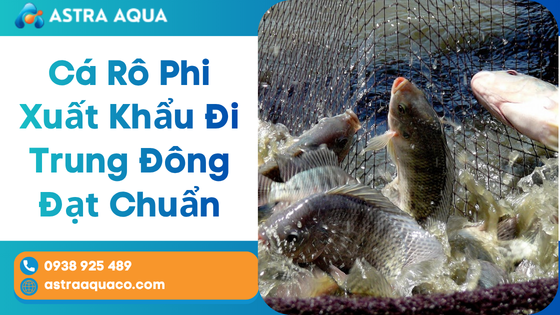


Tilapia for the Korean Food Service Industry
Tilapia Import Regulations in South Korea
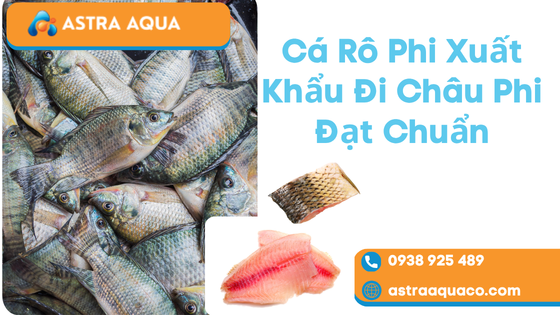
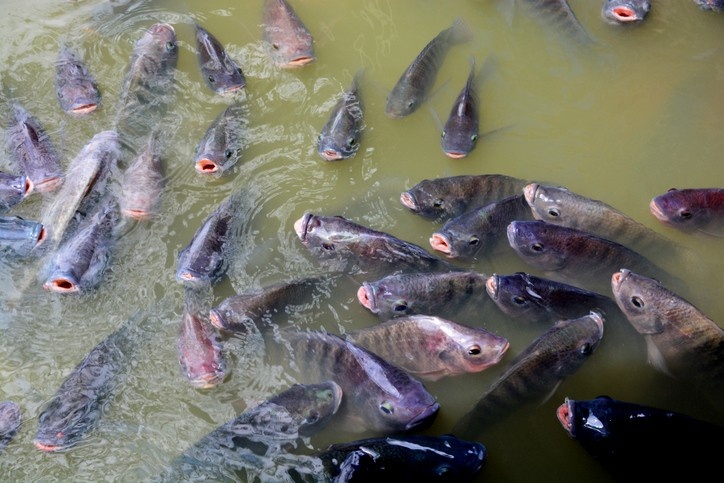
In the context of South Korea's rapidly expanding culinary industry, the demand for a stable, high-quality, and reasonably priced seafood supply has become a top priority for restaurants, F&B chains, industrial canteens, and food distribution systems. Among these, Tilapia stands out as a strategic choice due to its versatility in preparation, good nutritional content, and ability to meet large production volumes.
For Vietnamese exporting businesses, a thorough understanding of the Korean market's specifics and import regulations is vital for building a sustainable market penetration strategy. Astra Aqua is a professional seafood supplier focused on providing international standard Tilapia export solutions that meet the stringent requirements of the Korean market.

Contact us now: 0938 925 489
The Potential of Tilapia in the Korean Culinary Industry
Seafood Consumption Trends in South Korea
South Korea is a nation with one of the highest per capita seafood consumption rates in Asia. Korean consumers increasingly prioritize protein-rich, low-fat, healthy foods with clear origins. Tilapia fully meets these criteria.
Beyond traditional dishes like grilled fish, soy-sauce steamed fish, and spicy fish stews, Tilapia is also utilized in:
- Office lunch sets
- School meal menus
- Buffet restaurants
- Frozen food chain stores
- Ready-to-eat meals
Why Tilapia is Suitable for the Korean Food Service Industry
Tilapia has white flesh, few small bones, and a neutral flavor, making it easy to marinate in Korean styles such as gochujang, doenjang, or sweet and spicy sauces. This is a significant advantage when serving:
- Spicy marinated grilled fish
- Crispy fried fish with sweet and sour sauce
- Pan-seared fish with garlic butter sauce
- Battered and fried fish fillets
For industrial kitchens, uniform sizing, high fillet yield, and stable pricing are crucial advantages that help optimize operational costs.
Contact us now: 0938 925 489
Astra Aqua – Your Tilapia Supply Solution for the Korean Market
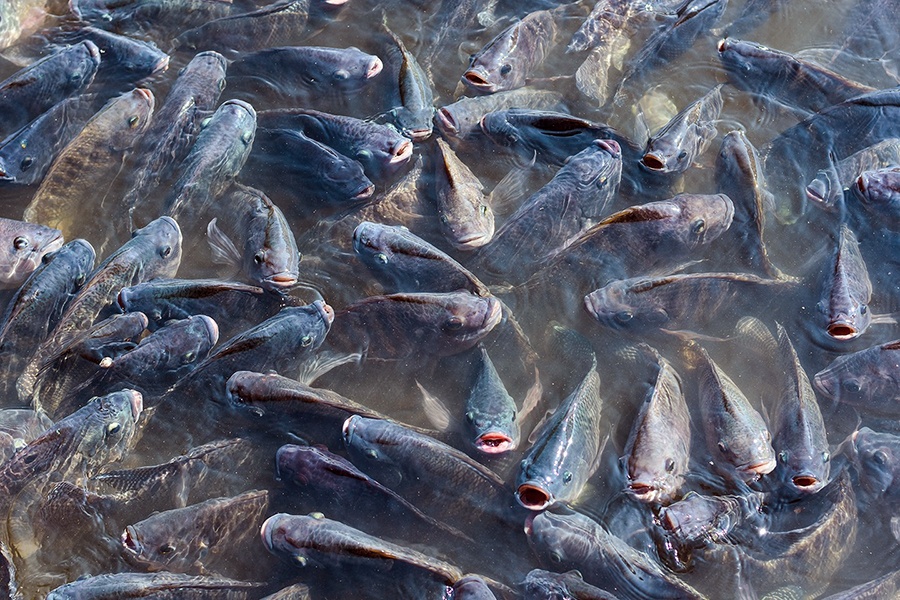
Astra Aqua focuses on developing a value chain from aquaculture and processing to export, ensuring international standard quality for Tilapia.
Supply Capacity
- Stable raw material sourcing
- Rigorous quality control system
- Diverse product range: whole fish, fillets, cut portions, frozen
- Custom packaging according to Korean client requirements
Astra Aqua not only provides products but also offers consultation on export documentation, certifications, and technical standards compliant with Korean import regulations.
Tilapia Import Regulations in South Korea
The Korean market has a stringent food safety control system. Tilapia exporting businesses must pay special attention to the following factors.
Food Safety Control
Korean authorities require:
- Quarantine certificates
- Food safety and hygiene certificates
- Traceability records
- Antibiotic residue reports
Products must be free of banned substances and comply with regulatory safety limits.
Contact us now: 0938 925 489
Labeling Regulations
Product labels must clearly display:
- Product name
- Country of origin
- Production date
- Expiration date
- Storage conditions
- Manufacturer's name and address
Information must be presented in Korean according to official standards.
Temperature and Storage Standards
Frozen Tilapia exported to South Korea must maintain a continuous cold chain at appropriate temperatures throughout transportation and warehousing. Any break in the cold chain can lead to import rejection.
Inspection at Port of Entry
Upon arrival at Korean ports, goods will undergo documentation checks and random sampling. If violations regarding residues or quality are found, the shipment may be subject to:
- Re-export
- Destruction
- Temporary import ban
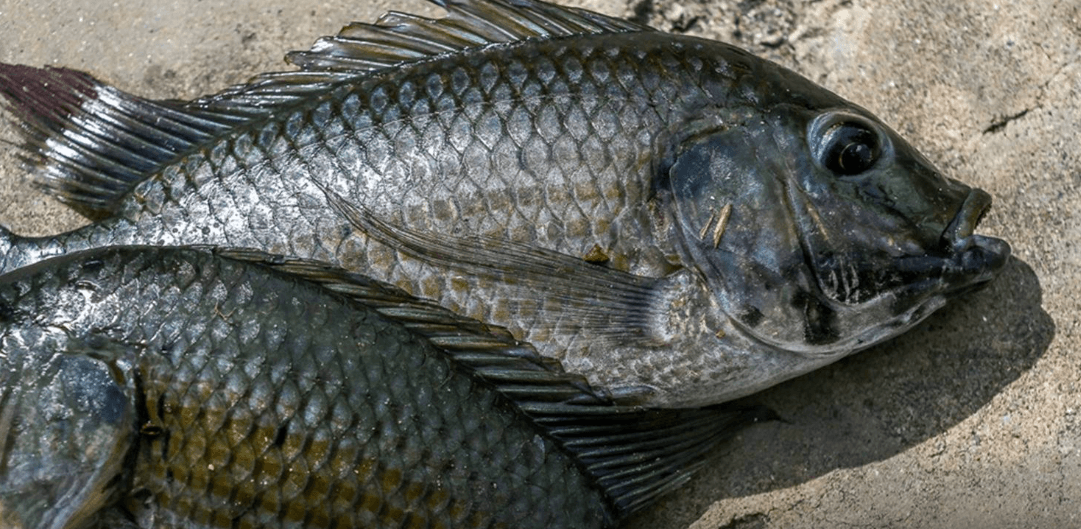
Astra Aqua proactively implements strict controls from the input stage to minimize such risks.
Contact us now: 0938 925 489
Quality Standards for Export Tilapia
To serve the Korean culinary industry, Tilapia must meet the following standards:
- Freshness and color
- The fish flesh must be white, not yellowish, and free from off-odors. The surface of the fillet should not be torn.
- Water content and weight
The glazing ratio must comply with trade agreements. Weights should be uniform for convenient processing.
No Antibiotic Residues
This is a particularly crucial factor for exports to South Korea. Absolutely no banned antibiotic substances should be detected in the product.
Competitive Advantages of Vietnamese Tilapia
Vietnam has significant advantages in:
- Farming conditions
- Production costs
- Export experience
- Standardized processing facilities
Astra Aqua leverages these advantages to supply high-quality Tilapia at competitive prices, meeting the stringent demands of the Korean market.
Cooperation Opportunities with Korean Restaurant Chains and Importers
The demand for stable, transparent, and flexible supply sources opens up significant opportunities for Vietnamese businesses. Astra Aqua aims to:
- Long-term contracts
- Customized production based on orders
- Private label development for partners
- Export procedure support
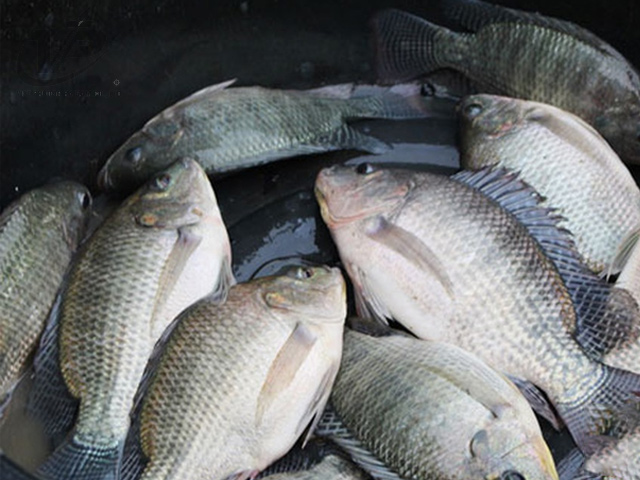
Building a sustainable Tilapia brand in South Korea relies not only on price but also on reputation and stable supply capability.
Contact us now: 0938 925 489
Marketing Strategy for Tilapia in the Korean Market
To penetrate effectively, a combination of strategies is needed:
- Building corporate brand image
- Participating in seafood trade shows
- Connecting with distributors
- B2B digital marketing
- Optimizing export website SEO
Astra Aqua focuses on developing a professional image, transparent information, and optimizing the international customer experience.
Tilapia is becoming a strategic ingredient in the Korean culinary industry due to its versatility, reasonable price, and large supply capacity. However, to successfully export to this market, businesses must understand import regulations, food safety standards, and stringent quality control requirements.
Astra Aqua, with its sustainable development orientation, strict control processes, and professional team, is ready to partner with clients in supplying Tilapia that meets Korean export standards.
10 Frequently Asked Questions
1. Is Tilapia suitable for Korean culinary tastes?
Answer: Tilapia has white flesh, a mild flavor, less fishy odor, and is easy to marinate in Korean styles such as spicy gochujang sauce, soybean paste sauce, or charcoal grilling. Therefore, it is very suitable for restaurants and industrial kitchens.
2. In what forms is Tilapia commonly used in the Korean food service industry?
Answer: The most common forms are frozen fillets, whole cleaned fish, and cut portions. Fillets are preferred for their ease of preparation, consistent portioning, and time-saving in pre-processing.
3. What Korean dishes can be made with Tilapia?
Answer: It can be used for spicy marinated grilled fish, crispy fried fish with sweet and sour sauce, Korean-style soy-sauce steamed fish, spicy fish hot pot, or for industrial meal boxes.
4. Is the price of Tilapia competitive compared to other fish in South Korea?
Answer: Tilapia typically has a stable and lower price compared to many premium marine fish, allowing restaurants to optimize ingredient costs while maintaining dish quality.
5. What are the quality requirements for Tilapia for Korean restaurants?
Answer: The product must ensure white flesh, no strange odors, no antibiotic residues, meet food safety standards, and maintain a stable cold chain.
6. Does frozen Tilapia retain its freshness when cooked?
Answer: If flash-frozen and stored correctly, Tilapia will retain its flesh structure and natural sweetness when thawed properly.
7. What should businesses note when exporting Tilapia to South Korea?
Answer: Full documentation including quarantine certificates, food safety certifications, traceability records, and adherence to Korean labeling regulations is required.
8. Is the demand for Tilapia in the Korean F&B industry stable?
Answer: The demand is quite stable due to consumer trends favoring protein-rich, affordable foods that are suitable for industrial canteens, schools, and restaurant chains.
9. What Tilapia sizes are suitable for the food service industry?
Answer: This depends on the business model. High-end restaurants often prefer large, uniform fillets. Industrial kitchens favor medium sizes to optimize portions and costs.
10. How to choose a reputable Tilapia supplier for the Korean market?
Answer: It is advisable to choose a supplier with export experience, a clear quality control process, transparent traceability, and the ability to reliably meet large volume orders.
Contact Information for Astra Aqua
- Astra Aqua
- Address: 318 Phan Dinh Phung, Cau Kieu Ward, Ho Chi Minh City, Vietnam
- Hotline: 0938 925 489
- Email: sam.le@astraaquaco.com
- Tax ID: 0319091146
- Website: https://astraaquaco.com
If you require detailed consultation on exporting Tilapia to the Korean market, please contact Astra Aqua directly for expert support and to build an effective, long-term partnership solution.