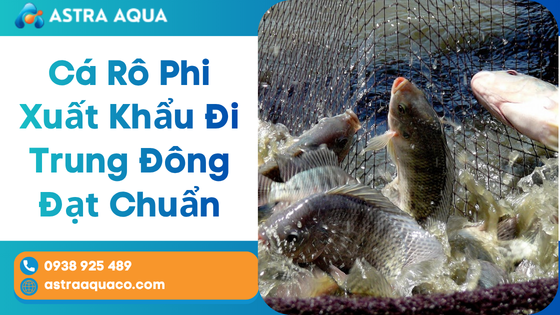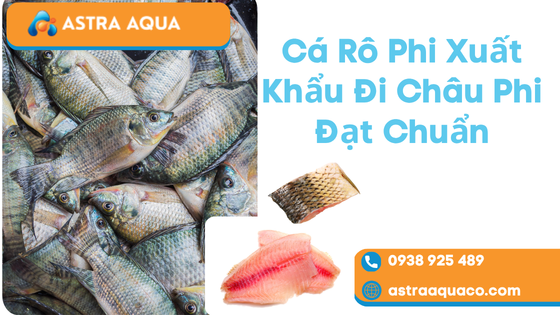


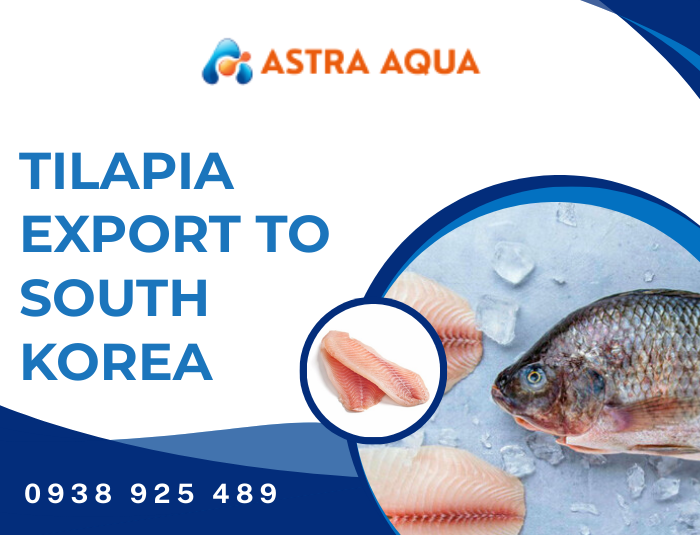
Tilapia Export to South Korea – A Breakthrough Strategy for Vietnamese Seafood Businesses
In the context of expanding international trade, Tilapia export to South Korea is becoming a strategic direction for many Vietnamese seafood businesses. South Korea is a potential market with high purchasing power, stringent quality requirements, and stable supply needs. This presents a significant opportunity for businesses with strong quality control capabilities and a commitment to sustainable development, such as Astra Aqua.
The following article will provide a comprehensive analysis of the South Korean market, import requirements, opportunities, challenges, and long-term development strategies for Vietnamese Tilapia.
Contact us now: 0938 925 489
Overview of the South Korean Market for Tilapia
Seafood Consumption Trends in South Korea
South Korea has one of the highest per capita seafood consumption rates in Asia. Fish and seafood are regular components of family meals, restaurant menus, and processed food offerings.
Key consumer trends include:
- Preference for frozen, convenient products
- Emphasis on food safety
- High value placed on transparent traceability
- Preference for products with international certifications
With the rising prices of many marine fish species, Tilapia has become a suitable alternative due to its competitive pricing and consistent white fish quality.
Growth Potential of Tilapia in South Korea
While not a traditional product, Tilapia is gradually establishing its position in the imported white fish segment.
Factors driving growth include:
- Demand for protein-rich, low-fat foods
- Robust development of restaurant chains and supermarkets
- Growth in the processed food sector
With proper brand building, Tilapia can significantly expand its market share in this market.
Contact us now: 0938 925 489
Competitive Advantages of Vietnamese Tilapia
Stable Supply
Vietnam possesses favorable natural conditions for year-round Tilapia farming. This ensures a continuous supply and the ability to meet large orders.
Competitive Pricing
Compared to cod, salmon, or pollock, Tilapia offers a significantly more competitive price, fitting well within the mid-range consumer segment.
Versatility in Processing
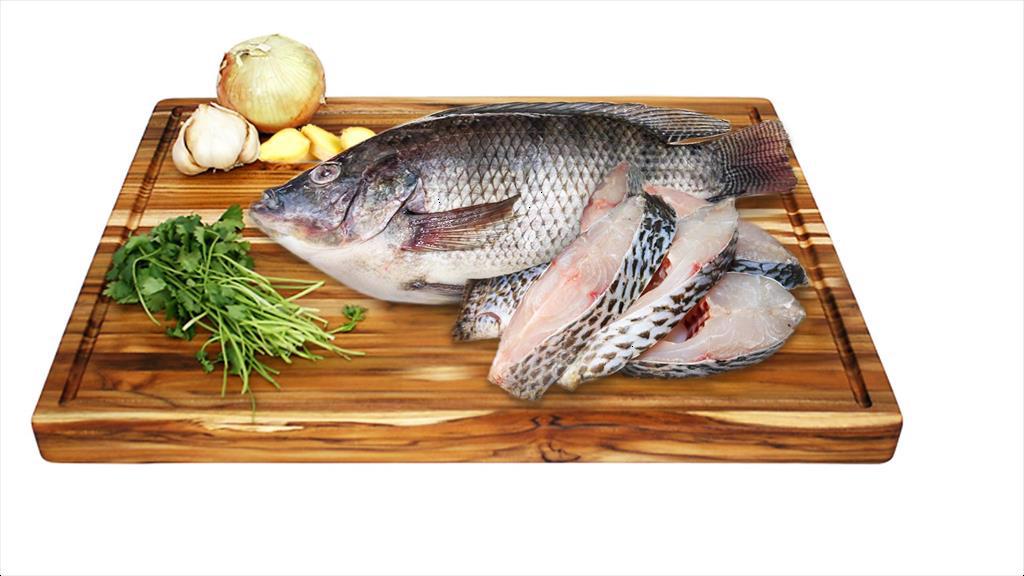
Tilapia can be exported in various forms:
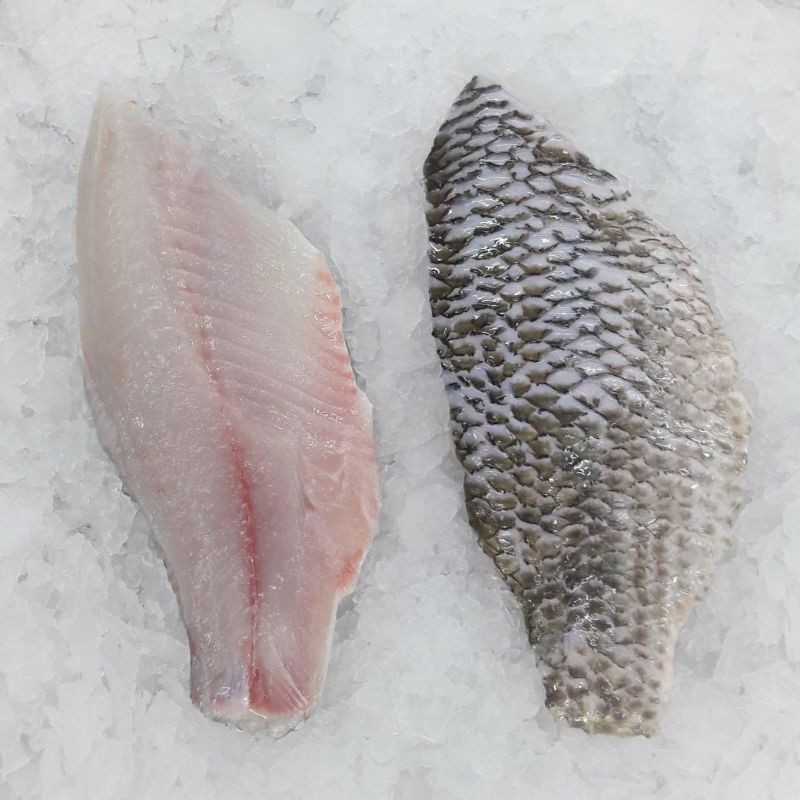
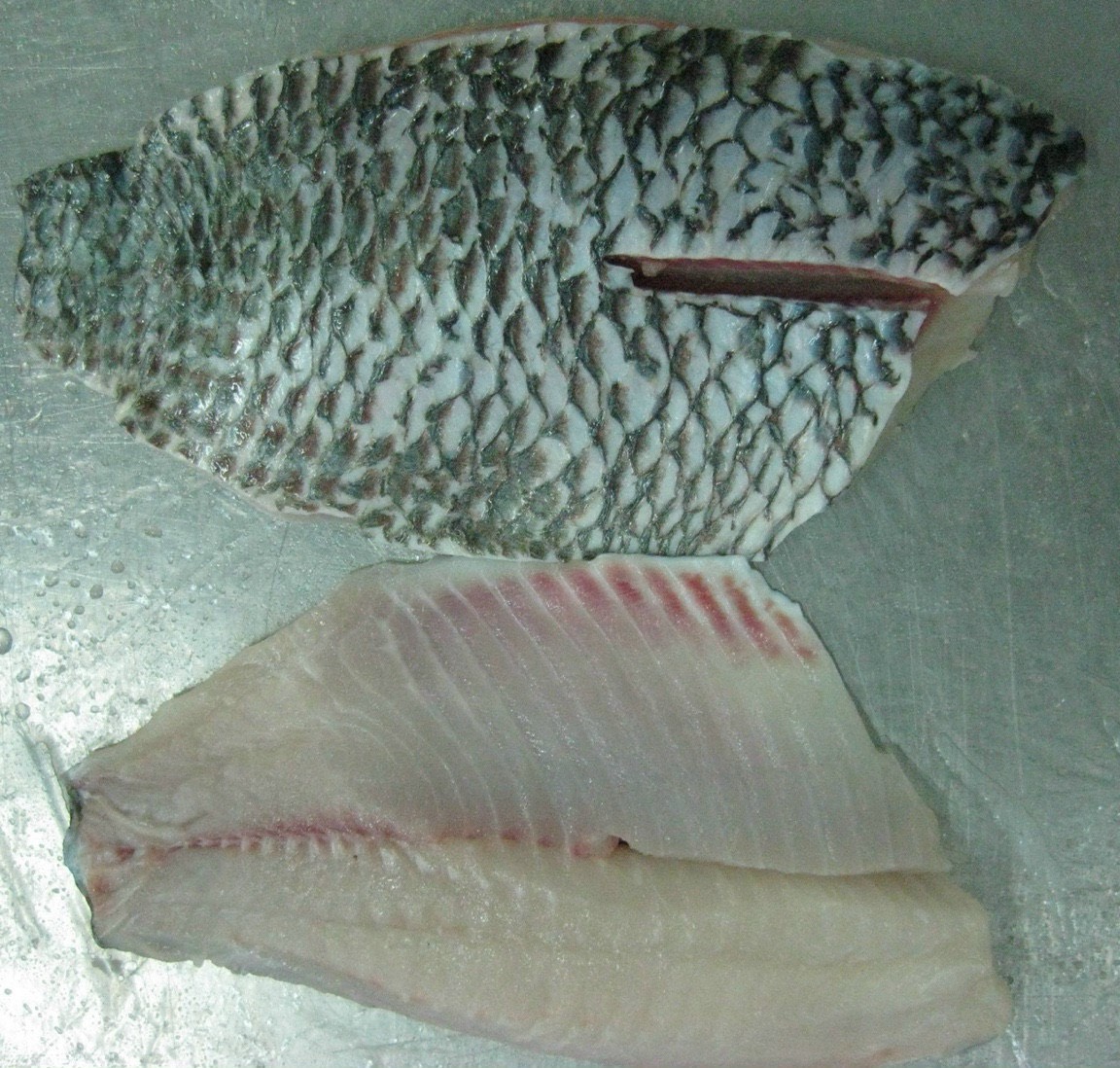
- Frozen fillets
- Whole cleaned fish
- Portioned fish
- Marinated products
This product diversification allows businesses to flexibly approach different customer segments.
Contact us now: 0938 925 489
Export Standards for Tilapia to South Korea
Food Safety Requirements
South Korea imposes strict standards on:
- Antibiotic residues
- Prohibited chemicals
- Microbiological indicators
Businesses must maintain tight control from cultivation to processing stages.
Quality Management System
Exporting factories must comply with:
- HACCP
- ISO 22000
- Food safety and hygiene regulations
Adherence to international standards not only facilitates customs clearance but also enhances corporate reputation.
Traceability
South Korea demands transparency throughout the supply chain:
- Farming areas
- Feed used
- Harvesting processes
- Processing procedures
Businesses need to establish comprehensive and clear record-keeping systems.
Contact us now: 0938 925 489
Export Process for Tilapia to South Korea
Farming Area Control
Product quality begins with farming areas that meet standards, ensuring no prohibited antibiotics are used and effective water management systems are in place.
Harvesting and Post-Harvest Handling
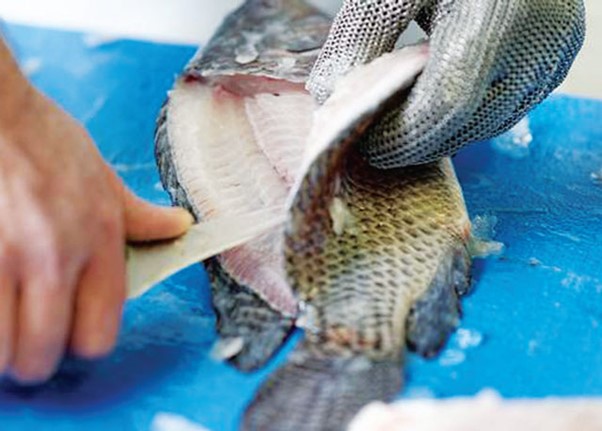
Fish are harvested at the correct size and quickly transported to the processing plant to maintain freshness and meat structure.
Processing and Freezing
The application of rapid freezing technology helps preserve the quality and nutritional value of Tilapia.
Testing and Documentation Completion
Before export, shipments must undergo testing and receive certificates of conformity according to South Korean regulations.
Challenges in Exporting Tilapia to South Korea
International Competition
China and other countries are major competitors in the competitive-priced Tilapia segment.
Technical Barriers
South Korea frequently updates regulations on residues and quarantine, requiring businesses to stay informed about market information.
Logistics Costs
International shipping rates and exchange rate fluctuations can impact profit margins.
Contact us now: 0938 925 489
Sustainable Development Strategy
Standardizing the Supply Chain
Businesses need to establish a linked chain from farming to processing and export.
Investing in Branding
The South Korean market highly values products with clear brand stories and sustainability commitments.
Increasing Added Value
Instead of just exporting raw products, businesses can develop deeper processed product lines to enhance profitability.
Astra Aqua's Role in the Tilapia Value Chain
In an increasingly competitive market, Astra Aqua acts as a connector and optimizer of the Tilapia supply chain for export to South Korea.
Astra Aqua focuses on:
- Input quality control
- Collaboration with internationally certified processing plants
- Consultation on export documentation and procedures
- Assistance in connecting with South Korean partners
With a vision for sustainable and transparent development, Astra Aqua helps businesses minimize risks and enhance their competitiveness in the South Korean market.
Future Trends of Tilapia in South Korea
South Korean consumers are increasingly shifting towards:
- Environmentally friendly food products
- Sustainable packaging
- Products with international certifications
Tilapia, if farmed under green models, with reduced emissions and ensured biosecurity, will have a significant long-term advantage.
Exporting Tilapia to South Korea presents a significant opportunity, but it requires a clear strategy, stringent quality control, and substantial investment in branding.
Vietnamese businesses aiming for success must:
- Comply with technical standards
- Build transparent supply chains
- Develop value-added products
- Collaborate with experienced market players
With the partnership of Astra Aqua, businesses can optimize their export processes, elevate the position of Vietnamese Tilapia, and achieve sustainable growth in the South Korean market.
10 Frequently Asked Questions
1. Is there potential for Tilapia export to South Korea?
Answer: Yes, South Korea is a major seafood consumer market in Asia, with stable demand for white fish and a growing trend for convenient frozen products.
2. What standards does South Korea require for imported Tilapia?
Answer: Products must meet food safety standards, including regulations on antibiotic residues, microbiological indicators, traceability, and possess certifications like HACCP.
3. In what forms is Tilapia commonly exported to South Korea?
Answer: The most common forms include frozen fillets, whole cleaned fish, portioned fish, or value-added processed products.
4. What documentation does a business need to prepare for Tilapia export to South Korea?
Answer: Documentation includes a sales contract, invoice, packing list, certificate of origin, phytosanitary certificate, and food safety test results.
5. Does South Korea test for antibiotic residues in Tilapia?
Answer: Yes, South Korea strictly controls antibiotic residues and chemicals. Shipments exceeding permitted levels may be rejected or destroyed.
6. How can we ensure Tilapia meets export standards?
Answer: Businesses must maintain strict control over farming areas, implement biosecurity protocols, conduct regular testing, and adhere to quality management systems.
7. How does Vietnamese Tilapia compete in the South Korean market?
Answer: Vietnamese Tilapia has an advantage in pricing, stable supply, and the ability to meet large orders if quality standards are ensured.
8. What are the common risks when exporting Tilapia to South Korea?
Answer: Risks include violations of residue limits, incomplete documentation, changes in import regulations, and fluctuating logistics costs.
9. Is it advisable to develop processed products for the South Korean market?
Answer: Yes, value-added products such as seasoned fish or convenient packaged meals align with modern consumer trends in South Korea.
10. How does Astra Aqua support businesses in exporting Tilapia?
Answer: Astra Aqua provides support in quality control, export documentation consultation, connecting with South Korean partners, and assisting in the development of sustainable growth strategies.
Contact Information
- Astra Aqua
- Hotline: 0938 925 489
- Address: 318 Phan Dinh Phung, Cau Kieu Ward, Ho Chi Minh City, Vietnam
- Email: sam.le@astraaquaco.com
- Tax Code: 0319091146
- Website: https://astraaquaco.com