

Tilapia Export Price to Japan – Detailed Analysis for Aquaculture Businesses
Overview of Tilapia Export Prices to Japan
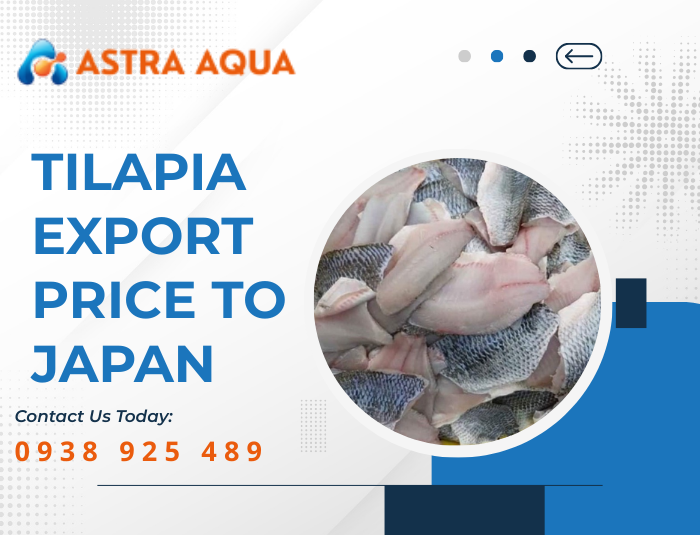
Japan is a high-end seafood consumption market with strict requirements for quality and supply stability. For Tilapia, export prices are not only dependent on supply and demand but are also strongly influenced by food safety standards, processing costs, and traceability capabilities.
Compared to many other markets, the export price of Tilapia to Japan is generally higher due to stringent requirements for antibiotic residue control, microbiological standards, and product specifications. This presents an opportunity to increase value for businesses with a robust quality management system.
Contact us now: 0938 925 489
Astra Aqua is developing its Tilapia product line towards the high-quality export segment, focusing on optimizing production costs and enhancing commercial value for penetration into the Japanese market.
Factors Affecting Tilapia Export Prices
Farming Costs and Feed Expenses
The cost of fry, feed, and pond management constitutes a significant portion of the total cost. Farming models that meet biosecurity standards will increase initial costs but help enhance selling prices for export to Japan.
- Cost of high-quality fry
- Feed meeting standards, free from banned antibiotics
- Periodic testing
Processing and Freezing Costs
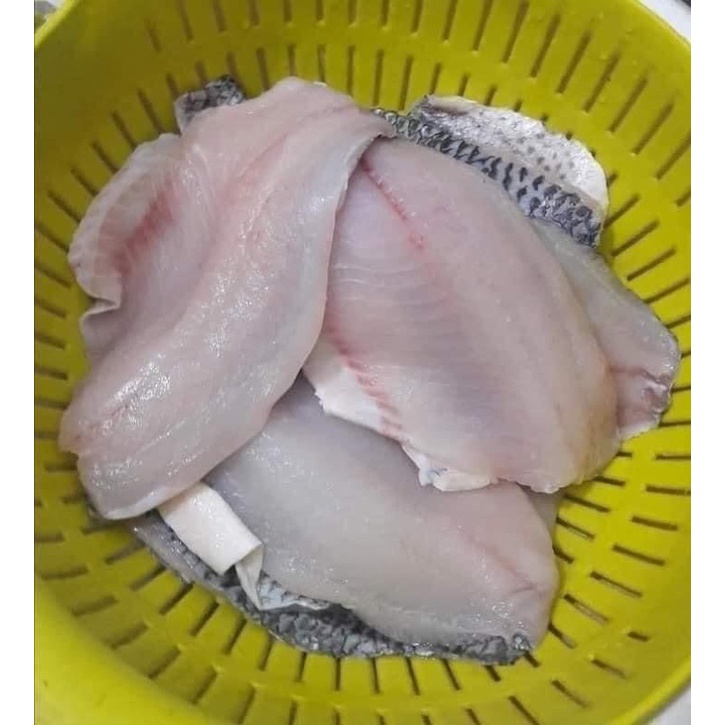
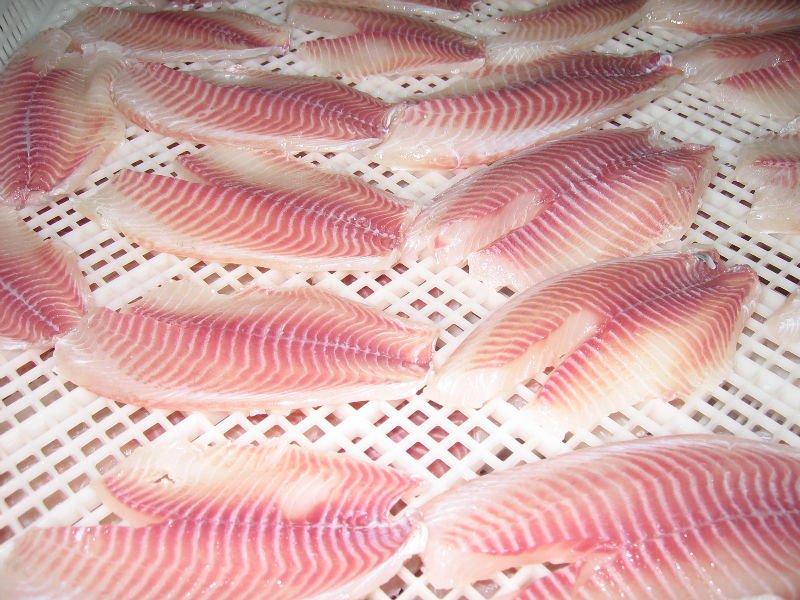
Frozen fillet products require processing lines that meet international standards. A rapid freezing system helps preserve meat quality, thereby positively impacting export prices.
Astra Aqua invests in a synchronized processing system to ensure that every batch of Tilapia meets the highest standards before delivery.
Contact us now: 0938 925 489
Reference Prices for Tilapia Export to Japan
Frozen Fillet Price
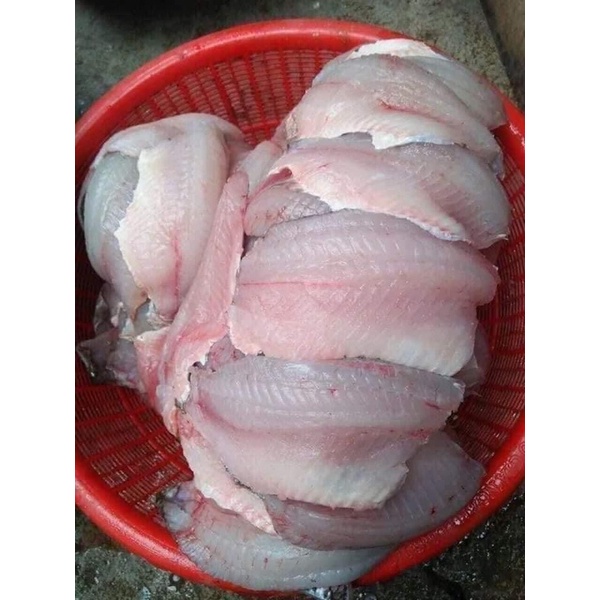
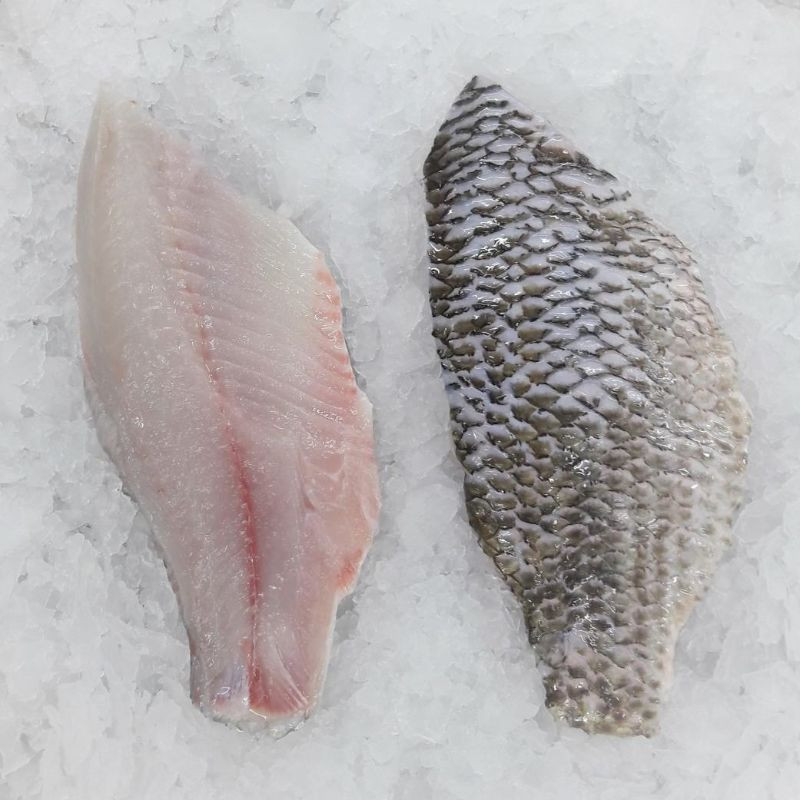
The export price of frozen Tilapia fillets to Japan typically fluctuates depending on cutting specifications, size, and testing standards. Products meeting high standards with clear traceability usually command better prices than the market average.
Frozen Whole Fish Price
Whole frozen Tilapia are priced lower than fillets due to less processing involved. However, they must still fully meet Japan's import standards.
Building a reputable brand helps businesses maintain stable prices and mitigate market volatility risks.
Contact us now: 0938 925 489
Comparison of Export Prices: Japan vs. Other Markets
Premium Market
Japan belongs to the premium market category, where consumers prioritize quality over low prices. Therefore, compliant Tilapia can be priced higher than in some other regional markets.
Long-Term Stability Requirements
Unlike short-term markets, Japanese partners prioritize long-term cooperation, ensuring stable prices and sustainable supply.
Astra Aqua focuses on a long-term strategy to build sustainable partnerships with Japanese importers.
Contact us now: 0938 925 489
Strategies to Optimize Tilapia Export Prices
Control Input Costs
Optimizing farming processes and reducing losses help lower production costs while maintaining quality.
Enhance Added Value
Deeply processed products and packaging tailored to specific Japanese partner requirements will yield higher profit margins.
Astra Aqua aims to develop premium-grade Tilapia, optimizing profits and maintaining brand reputation in the Japanese market.
Contact us now: 0938 925 489
10 Frequently Asked Questions
1. What is the current export price of Tilapia to Japan?
Answer: The price depends on product specifications, size, testing standards, and contract terms; high-standard products typically have better and more stable pricing.
2. What factor most significantly impacts export prices?
Answer: The quality of the farming area, feed costs, food safety standards, and logistics costs are factors that directly affect pricing.
3. Does Japan offer higher prices than other markets?
Answer: Generally yes, if the product fully meets quality standards and has transparent traceability.
4. Is there a significant price difference between fillets and whole fish?
Answer: Fillets are priced higher due to higher processing costs and more demanding technical requirements.
5. How can stable export prices be maintained?
Answer: By establishing long-term contracts, ensuring consistent quality, and maintaining credibility with partners.
6. Does exchange rate fluctuation affect export prices?
Answer: Yes. The exchange rate between the Japanese Yen and the USD can impact profitability and negotiated prices.
7. What percentage of the total cost does logistics represent?
Answer: Depending on the period, shipping and reefer container costs can represent a significant portion of the total cost.
8. Do international certifications help increase prices?
Answer: Yes. HACCP certification and quality management systems enhance credibility and improve price negotiation capabilities.
9. Can small businesses export to Japan at good prices?
Answer: Yes, provided they meet quality standards and have appropriate cooperation strategies.
10. Does Astra Aqua provide direct quotes?
Answer: Businesses can contact us directly for consultation and to receive quotes based on specific product specifications.
Contact Information for Astra Aqua
- Astra Aqua
- Address: 318 Phan Dinh Phung Street, Cau Kieu Ward, Ho Chi Minh City, Vietnam
- Hotline: 0938 925 489
- Email: sam.le@astraaquaco.com
- Tax ID: 0319091146
- Website: https://astraaquaco.com
The export price of Tilapia to Japan reflects the overall quality, technical standards, and supply chain management capabilities. This is a market that demands professionalism and long-term commitment.
With a strategy focused on added value and integrated quality control, Astra Aqua is progressively enhancing its position in the Tilapia export sector to Japan, contributing to affirming Vietnamese aquaculture brands in the international market.