

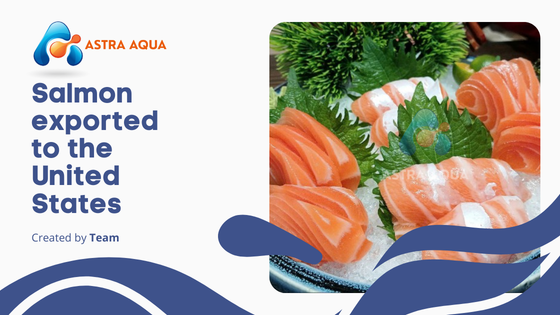
The US market is always a destination full of potential, yet also highly competitive for Vietnam's seafood products. In this context, the story of exporting Salmon - Salmo Salar to this market is not only a testament to the efforts of the Vietnamese seafood industry to expand its reach globally but also a confirmation of quality and the ability to meet the stringent standards of US importers.
Opportunities and Challenges in Exporting Salmon to the US
The US market, with its large population and high purchasing power, is always a top priority for Vietnamese seafood exporters. Especially, the demand for nutritious, high-quality products like salmon is growing. This opens a vast door for Vietnamese businesses capable of supplying products that meet requirements for quality, food safety, and traceability. However, to conquer this market, businesses not only face intense competition from traditional salmon exporting countries like Norway and Chile but also must overcome technical barriers, strict inspection standards, and complex logistics requirements.
Key Factors for Success in Exporting Salmon to the US
1. Ensuring Superior Product Quality
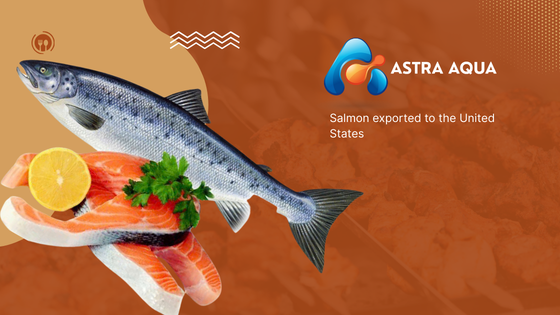
Quality is a non-negotiable factor when exporting to the US market. For Salmon - Salmo Salar, this includes strict control from farming and processing to packaging. Farms must adhere to international standards for Good Aquaculture Practices (GAP), ensuring clean water, quality feed, and healthy fish care. During processing, compliance with food safety regulations (HACCP, ISO 22000) is mandatory. Additionally, deep freezing, vacuum packaging, or modified atmosphere packaging (MAP) methods help preserve the freshness and nutritional value of the fish throughout long transit times.
2. Meeting US Standards and Regulations
The US Food and Drug Administration (FDA) has detailed regulations for food imports, including seafood. Vietnamese businesses need to understand and comply with these regulations, especially the requirements for:
- Food Safety: Food safety control programs such as Seafood HACCP are mandatory.
- Traceability: The ability to trace the product from the farm to the end consumer is increasingly valued.
- Labeling: Information on labels must be accurate, complete, and comply with FDA labeling regulations.
- Quarantine: Regulations on animal and plant quarantine must also be strictly adhered to.
3. Building Logistics and Supply Chain Capabilities
Exporting salmon to the US requires an efficient and reliable supply chain. Businesses need capabilities in sea or air freight, ensuring goods are kept at appropriate temperatures throughout the journey. Finding reputable shipping partners experienced with frozen goods is crucial. Furthermore, building strategic partnerships with importers and distributors in the US helps optimize processes and minimize risks.
4. Enhancing Competitiveness through Value-Added Services
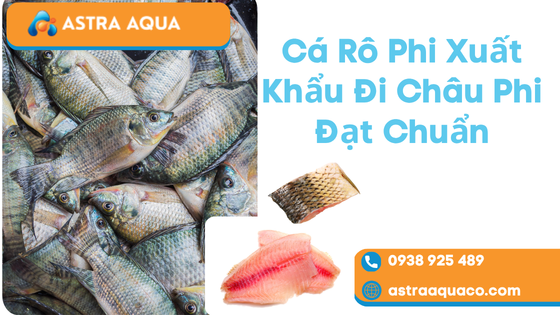
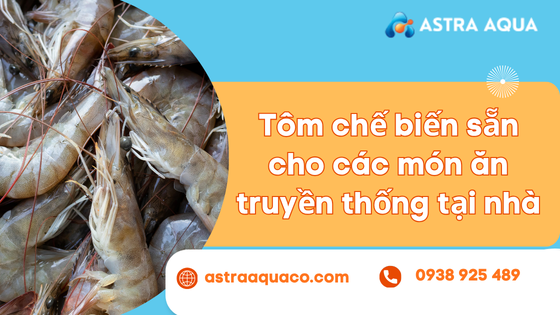
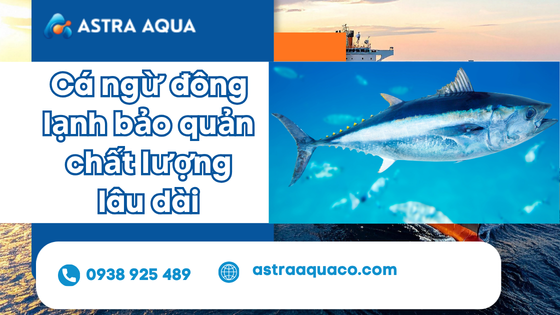
To create a competitive advantage, exporting businesses should focus not only on product quality but also on supporting services. Services such as Inspection (independent quality checking) and Sourcing (finding reliable suppliers) can bring significant value to importing partners. Inspection services ensure products meet exact requirements before shipment, reducing risks for buyers. Sourcing services enable importers to find diverse sources of high-quality salmon and other seafood products such as tuna, pangasius, black tiger shrimp, and vannamei shrimp, tailored to the specific needs of the US market.
5. Market Research and Product Development
Consumer preferences in the US are constantly changing. Continuously researching the market, staying updated on consumption trends, and developing new product lines (e.g., salmon fillets, salmon collars, smoked salmon) will help businesses promptly meet customer demands and create differentiation. Besides salmon, diversifying the product portfolio with other Vietnamese strengths like tuna, pangasius, black tiger shrimp, and vannamei shrimp also allows businesses to reach a wider range of customer segments.
Astra Aqua's Role in the Salmon Export Chain to the US
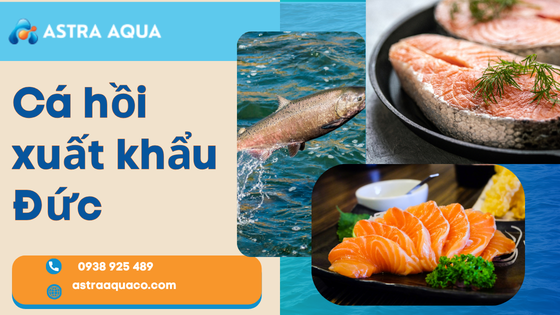
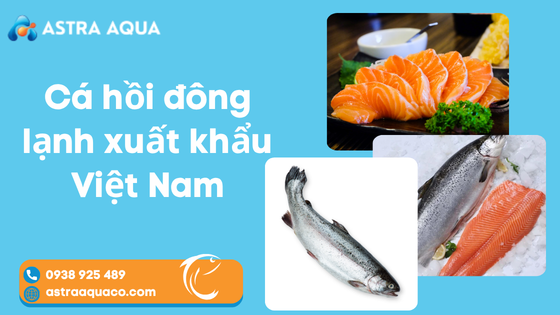
With extensive experience in seafood export, Astra Aqua International Co., Ltd. is proud to be a reliable bridge between Vietnam's seafood industry and international markets, including the US. We are committed to delivering high-quality products that fully meet international standards. In particular, for our main products such as Salmon - Salmo Salar, tuna, pangasius, black tiger shrimp, and vannamei shrimp, Astra Aqua not only ensures clear origin, standardized farming and processing procedures but also provides value-added services like Inspection and Sourcing.
Our Inspection service provides customers with absolute peace of mind regarding product quality before transactions. Astra Aqua's experienced team will conduct rigorous checks on each batch of goods, ensuring compliance with technical requirements and food safety standards. Additionally, with a wide network of partners, Astra Aqua's Sourcing service can find and supply a diverse range of seafood products according to specific customer requirements, from the most premium salmon to other popular products.
We understand that building trust and sustainable partnerships is the key to success. Astra Aqua continuously strives to provide maximum satisfaction to our valued customers through superior product quality, professional service, and competitive pricing. For Astra Aqua, seafood export is not just business; it is a mission to bring the essence of Vietnamese cuisine to the world.
Contact Information
Astra Aqua International Co., Ltd.
Address: 318 Phan Dinh Phung, Cau Kieu Ward, Ho Chi Minh City, Vietnam
Hotline: (+84) 938 925 489
Phone: 0938 925 489
Email: sam.le@astraaquaco.com
Website: https://astraaquaco.com