

Pangasius Meeting Japanese Standards – Quality Commitment from Astra Aqua
The Journey to Conquer the Japanese Market with Genuine Quality
Japan is always known as one of the countries with the most stringent technical barriers and food safety regulations in the world. To successfully penetrate this market, seafood products in general and white fish in particular must pass a series of rigorous inspection rounds from cultivation to finished product processing.
Contact us now: 0938 925 489
Currently, Vietnamese Pangasius products are increasingly asserting their strong position thanks to their ability to fully meet these strict requirements. With a business philosophy that prioritizes quality, Astra Aqua continuously improves its closed supply chain to provide the most perfect raw materials for its Japanese partners.
The Delicate Flavor of Pangasius Suits Japanese Culinary Culture
Purity in Every White Fish Fillet
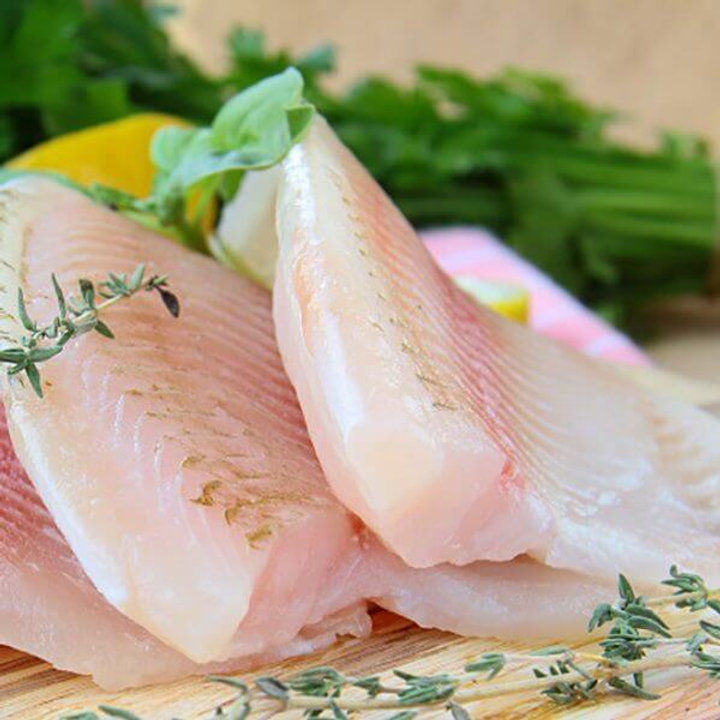
Japanese people highly value the original essence of food. Pangasius, with its pure white flesh, mild sweetness, and complete absence of muddy odor, has become an ideal choice. Its rich nutritional content, especially Omega-3 and easily digestible protein, makes this fish score perfectly with health-conscious consumers.
Moreover, the firm yet tender texture of the fish, which does not become mushy when cooked at high temperatures, is a significant advantage. Japanese restaurants highly appreciate the versatility of this ingredient in diversifying their daily menus.
Excellent Applications in Signature Dishes
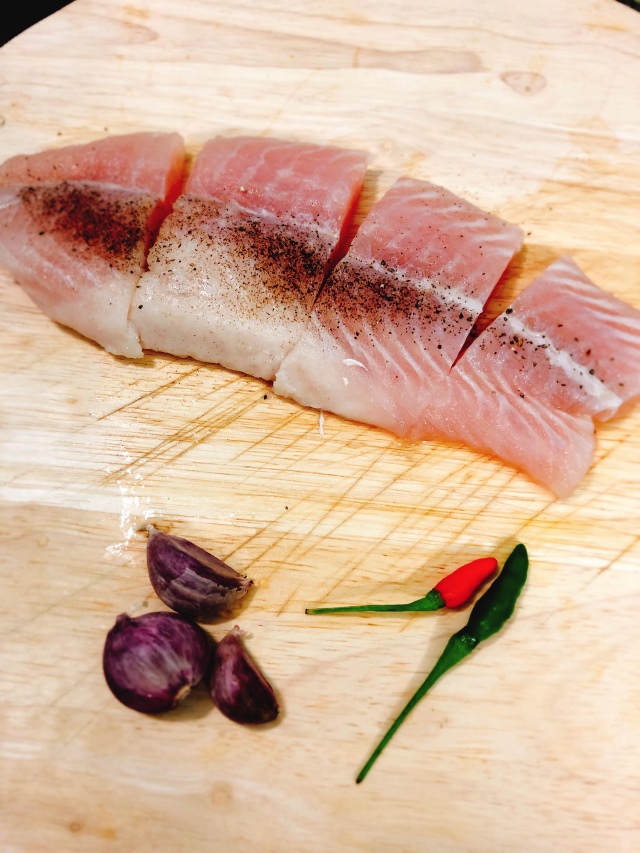
From simple home-style dishes like grilled salted fish (Shioyaki) or pan-seared with butter and garlic, to intricate preparations like Panko-crusted fried fish, pangasius demonstrates an incredible suitability. Its ability to absorb spices well elevates the culinary experience for diners.
Contact us now: 0938 925 489
Stringent Quality Standards from Japan's Ministry of Health, Labour and Welfare (MHLW)
Control of Antibiotic Residues and Banned Chemicals
Japan's Food Sanitation Act stipulates zero tolerance for a range of banned antibiotics in aquaculture. Every imported pangasius shipment undergoes extremely strict microbiological and chemical tests at the port of entry before being granted customs clearance.
Implementing an ecological farming model and strictly managing water sources and feed are critical factors. Even the slightest violation regarding chemical residues can lead to severe consequences, such as the entire shipment being rejected or immediately destroyed.
Contact us now: 0938 925 489
Criteria for Appearance and Accurate Glazing Percentage
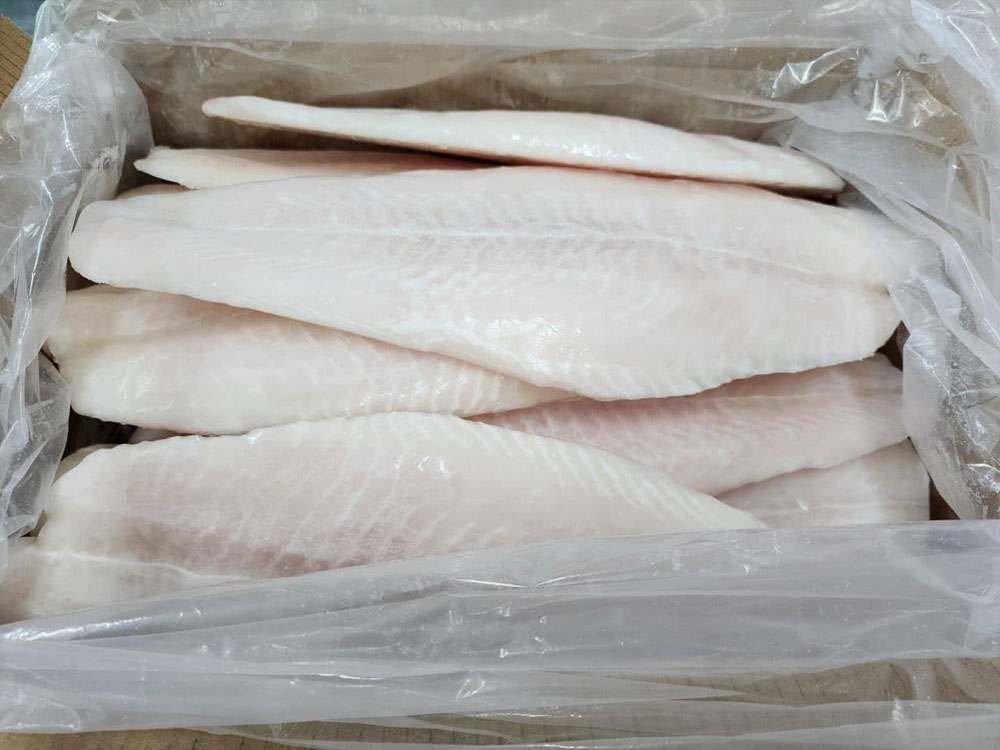
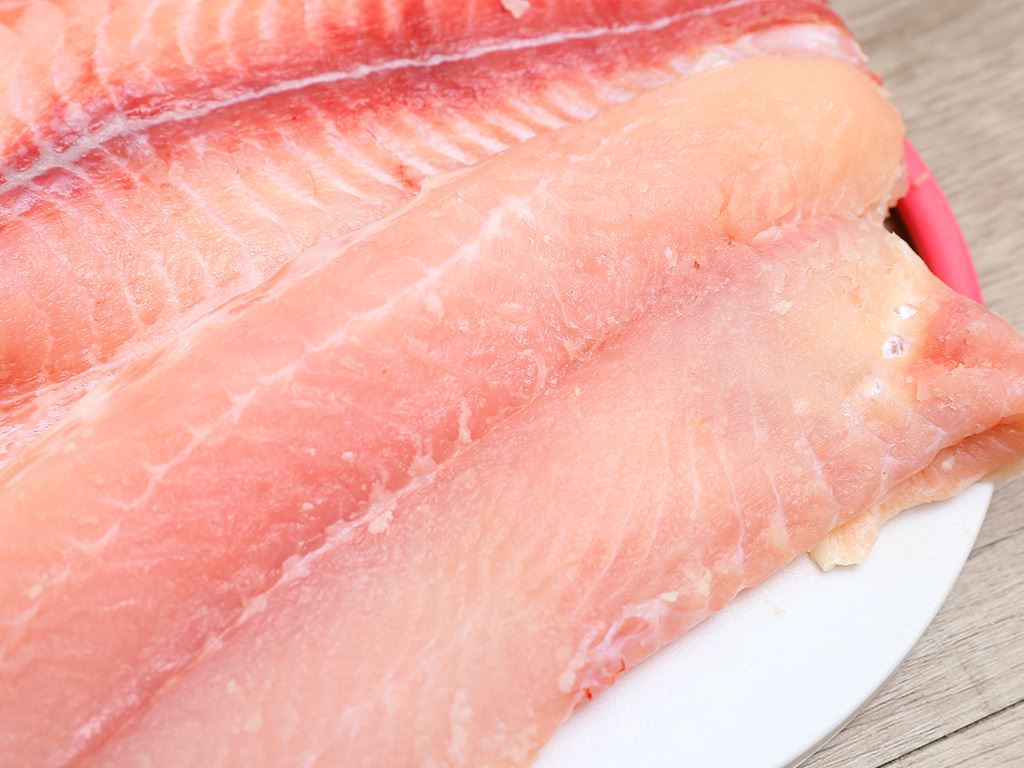
Japanese consumer preferences demand that Pangasius have a natural white color, a smooth surface, and be free from blemishes or red blood spots. Furthermore, the glazing percentage must be accurately and transparently declared to protect consumer rights.
Astra Aqua – Proudly Bringing Vietnamese Pangasius to Global Standards
Aquaculture Model Certified by ASC and BAP
To confidently export to Japan, Astra Aqua has established fish farming facilities with prestigious international certifications such as ASC and BAP. Strict adherence to environmental protection and animal welfare rules helps create clean, sustainably developed raw materials.
By exclusively using biological products instead of antibiotics, we ensure that every harvested fish is in optimal health, providing high-quality, absolutely safe fillets for consumers.
Sterile Processing Plant Conforming to ISO 22000 Standards
The entire process of receiving raw materials and filleting fish takes place in a strictly temperature-controlled factory environment. The HACCP quality management system is operated throughout to prevent and completely eliminate all risks of microbial contamination.
Pangasius Processing and Packaging Techniques in the Japanese Style
Blood Drainage Technique for Naturally White Fish Flesh
The demand for white fish flesh in the Japanese market is extremely high. Therefore, the bleeding and blood drainage process must be performed by workers with high precision immediately after harvesting to help the fish retain its bright color and avoid yellowing.
Contact us now: 0938 925 489
IQF Flash Freezing to Preserve Nutritional Value
The advanced IQF (Individual Quick Freezing) technology allows each piece of pangasius to experience a rapid temperature drop to its core. This process locks in water molecules and preserves protein structure, ensuring that the fish retains its firmness and original flavor upon thawing.
Packaging Specifications Complying with Japanese Labeling Laws
Each pangasius package is labeled in Japanese with an elegant design. Information on origin, nutritional content, net weight, and expiration date is clearly printed, complying 100% with the country's food labeling laws.
Pangasius Product Lines Meeting Japanese Export Standards
Well-trimmed Pangasius Fillets
This is the premium product line, completely trimmed of fat, belly flap, skinless, and boneless. This product meets the strict requirements of fine dining restaurant chains and industrial catering services in the Japanese market.
Frozen Pangasius Portions with Standardized Weight
Each portion of fish is cut with specialized machinery, ensuring uniformity in size and weight. This product is extremely convenient for Japanese housewives when preparing traditional family meals quickly and neatly.
Value-Added Processed Pangasius Products
Catering to the trend of busy lifestyles, pre-battered or pre-seasoned pangasius products in attractive packaging are highly sought after. These products only require brief frying or grilling to be ready to enjoy and are very popular among young people in Japan.
Contact us now: 0938 925 489
Overcoming All Customs and Legal Barriers in Japan
Thanks to a well-established operational process, all our exported pangasius shipments are accompanied by a complete set of perfect documentation, especially a valid Health Certificate. This optimizes customs clearance time at Japanese ports smoothly.
Reasons Why Japanese Partners Consistently Trust Astra Aqua
Astra Aqua's business philosophy perfectly aligns with the Japanese culture of valuing "Trust" (Tín). We are committed to maintaining stable pangasius quality, with no discrepancies between shipments, while ensuring precise delivery schedules.
Our professional service attitude, transparent information, and flexible ability to meet specific processing and packaging requirements have helped us build strong strategic partnerships in this highly competitive market.
Maximum Safety Frozen Transportation Solutions
To ensure that pangasius maintains its perfect quality upon arrival at Japanese ports, we collaborate with reputable shipping lines, utilizing specialized reefer containers that are strictly controlled at a standard temperature of -18°C throughout the transportation process.
Vision for Sustainable Development of Vietnam's Pangasius Industry
By successfully meeting Japanese standards, Astra Aqua not only affirms the company's production capabilities but also contributes to elevating the national brand value for Vietnam's white fish industry on the international stage.
10 Frequently Asked Questions About Japanese Pangasius Standards
1. How does Japan control antibiotic residues in pangasius?
Answer: Extremely strictly. Japan's Ministry of Health, Labour and Welfare (MHLW) applies a zero-tolerance policy for many types of antibiotics. Any violating pangasius shipment will be immediately banned from import.
2. What color should pangasius fillets be to meet Japanese standards?
Answer: Japanese consumers only accept pangasius fillets with a pure bright white color. Fish pieces that are yellowish, pinkish, or have blood clots are considered substandard and rejected.
3. What is the allowed glazing percentage in the Japanese market?
Answer: The glazing percentage is typically between 10-20% to protect the fish from freezer burn. However, the net weight after thawing must exactly match the figure printed on the packaging.
4. Are there any special regulations for pangasius packaging exported to Japan?
Answer: A secondary label in Japanese is mandatory. Labeling information must comply with Japan's Food Sanitation Act, clearly stating the origin, nutritional content, and storage instructions.
5. Is ASC certification mandatory for exporting pangasius to Japan?
Answer: While not 100% legally mandatory, major supermarkets and reputable import partners in Japan always prioritize requiring suppliers to have ASC or BAP ecological certifications.
6. What are the mandatory documents for pangasius customs clearance in Japan?
Answer: The document package includes the Bill of Lading (B/L), Commercial Invoice, Packing List, Certificate of Origin (C/O), and most importantly, a valid Health Certificate.
7. How does the blood drainage technique affect the quality of pangasius?
Answer: Quick and thorough blood drainage helps eliminate breeding bacteria, prevent fishy odors, and maintain the natural white color of the pangasius meat, meeting Japan's very high aesthetic standards.
8. What pangasius packaging specifications are preferred in the Japanese market?
Answer: They prefer small, convenient packaging sizes such as vacuum-sealed bags of 500g - 1kg for retail, and larger frozen blocks for restaurant chains.
9. Do processed pangasius products have opportunities in Japan?
Answer: Very high. Pre-battered or pre-seasoned pangasius products are experiencing strong growth as Japanese consumers increasingly favor convenience and time-saving cooking solutions.
10. Does Astra Aqua support packaging under the private label of Japanese customers?
Answer: Yes. We provide professional OEM/ODM packaging services, supporting Japanese labeling and design according to the partner's brand identity.
Contact Information for Astra Aqua
- Astra Aqua
- Address: 318 Phan Dinh Phung, Cau Kieu Ward, Ho Chi Minh City, Vietnam
- Hotline: 0938 925 489
- Email: sam.le@astraaquaco.com
- Website: https://astraaquaco.com
- Tax Code: 0319091146
Vietnamese Pangasius meeting strict standards is opening up numerous opportunities in the Land of the Rising Sun. With our standard production capabilities and professional dedication, Astra Aqua confidently delivers superior quality frozen seafood products that satisfy all stringent requirements of our Japanese partners.