

Pangasius Import Regulations in Japan – A Detailed Guide with Astra Aqua
Overview of Japan's Fisheries Legislation and Trade Barriers
Japan is renowned as one of Asia's most demanding markets, featuring an exceptionally complex legal system for food safety control. Every batch of seafood arriving at port must strictly adhere to the provisions issued by the Ministry of Health, Labour and Welfare (MHLW) to protect the health of domestic consumers.
Contact us: 0938 925 489
By overcoming these technical hurdles, Vietnamese Pangasius is gradually gaining market share thanks to its compliance with quality standards. With a deep understanding of local laws and import procedures, Astra Aqua is confident in accompanying partners through the most stringent customs inspections.
Regulations on Chemical and Antibiotic Residues in Pangasius
Prohibited List and Maximum Residue Limits (MRLs)
Japan's legal system employs a Positive List System for agricultural chemicals. This means that all veterinary drugs or antibiotics used during the cultivation of Pangasius are strictly controlled. If residues exceeding the permitted MRLs are detected, the shipment will be immediately suspended.
Substances such as Enrofloxacin, Malachite Green, or Trifluralin are absolutely prohibited. Japanese customs authorities frequently implement a 100% intensified inspection policy (Monitoring Plan) for businesses or countries with a history of food safety violations.
Sampling and Testing Procedures at Customs Ports
Upon arrival at the port, inspectors from the quarantine station will conduct random unloading to collect samples for microbiological and chemical testing. Only when the test results meet the standards will frozen pangasius fillet shipments be granted customs clearance and permitted for distribution in the domestic retail market.
Contact us: 0938 925 489
Regulations on Traceability and Health Certificates
Mandatory Declaration of Farming Area and Factory Information
One of the most crucial import regulations is transparency. Japan requires suppliers to demonstrate the entire lifecycle of the fish, from the origin of fry, types of feed used, pond records, to the processing procedures at export-standard factories.
Adopting global standards such as ASC or BAP not only helps businesses easily establish traceability records but also serves as a "golden ticket" for major supermarket chains and retailers in Japan to confidently accept products onto their shelves.
Contact us: 0938 925 489
The Role of the Health Certificate
Any Pangasius shipment entering Japan must be accompanied by a Health Certificate issued by the competent authority of Vietnam (NAFIQAD). This document certifies that the product has undergone microbiological and chemical testing and is entirely safe for human consumption.
Food Labeling Standards and Packaging Specifications
Food Labeling Act
Japan's labeling law is highly detailed. The supplementary label must be printed in Japanese, clearly stating the product name, ingredients, additives (if any), nutritional content, net weight, expiry date, storage conditions, and the responsible importer's information.
Fraudulent declarations, especially concerning net weight after deducting glazing (Net Weight), are considered deceptive practices and will be subject to severe penalties, including license revocation under Japan's unfair competition law.
Requirements for Direct Contact Packaging Materials
Plastic bags, films, and cartons used for packaging frozen fish must be made from safe materials, free from toxins that could leach into the food. Customs quarantine procedures have specific regulations on limits for heavy metals and synthetic chemicals in packaging materials.
Standards for Product Sensory and Appearance Quality
Natural Whiteness and Perfect Muscle Texture
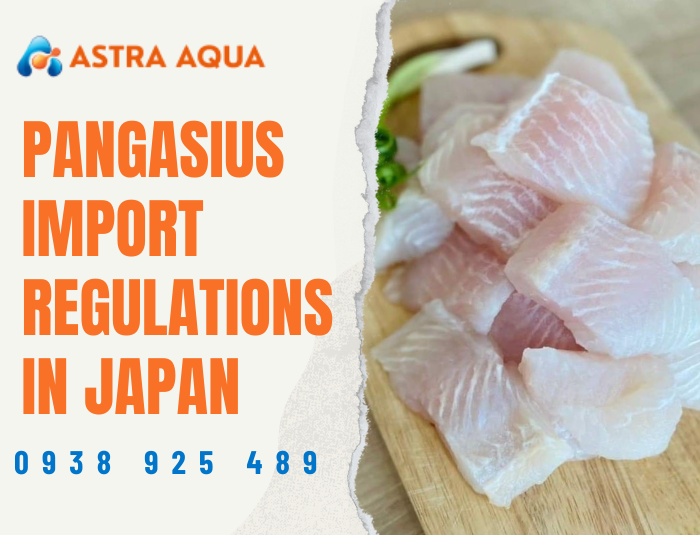
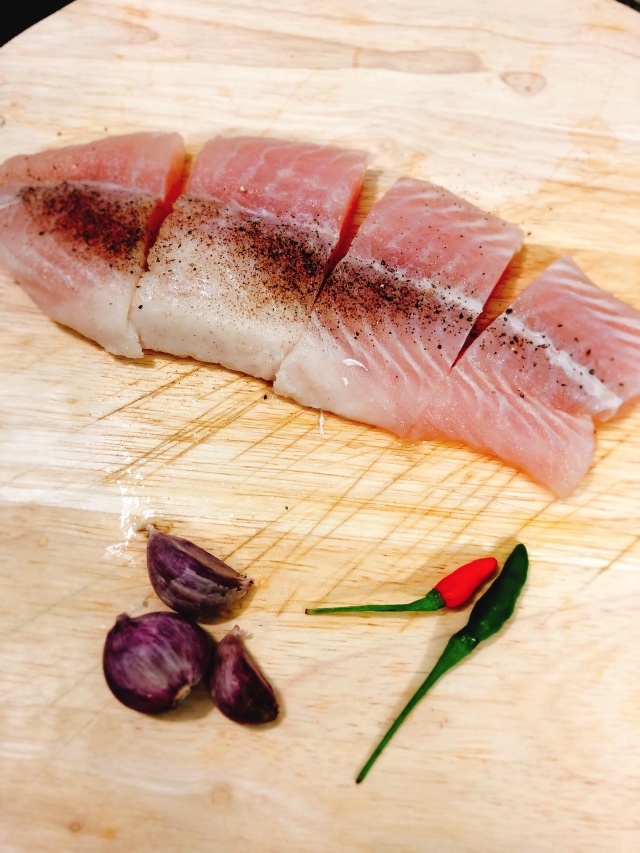
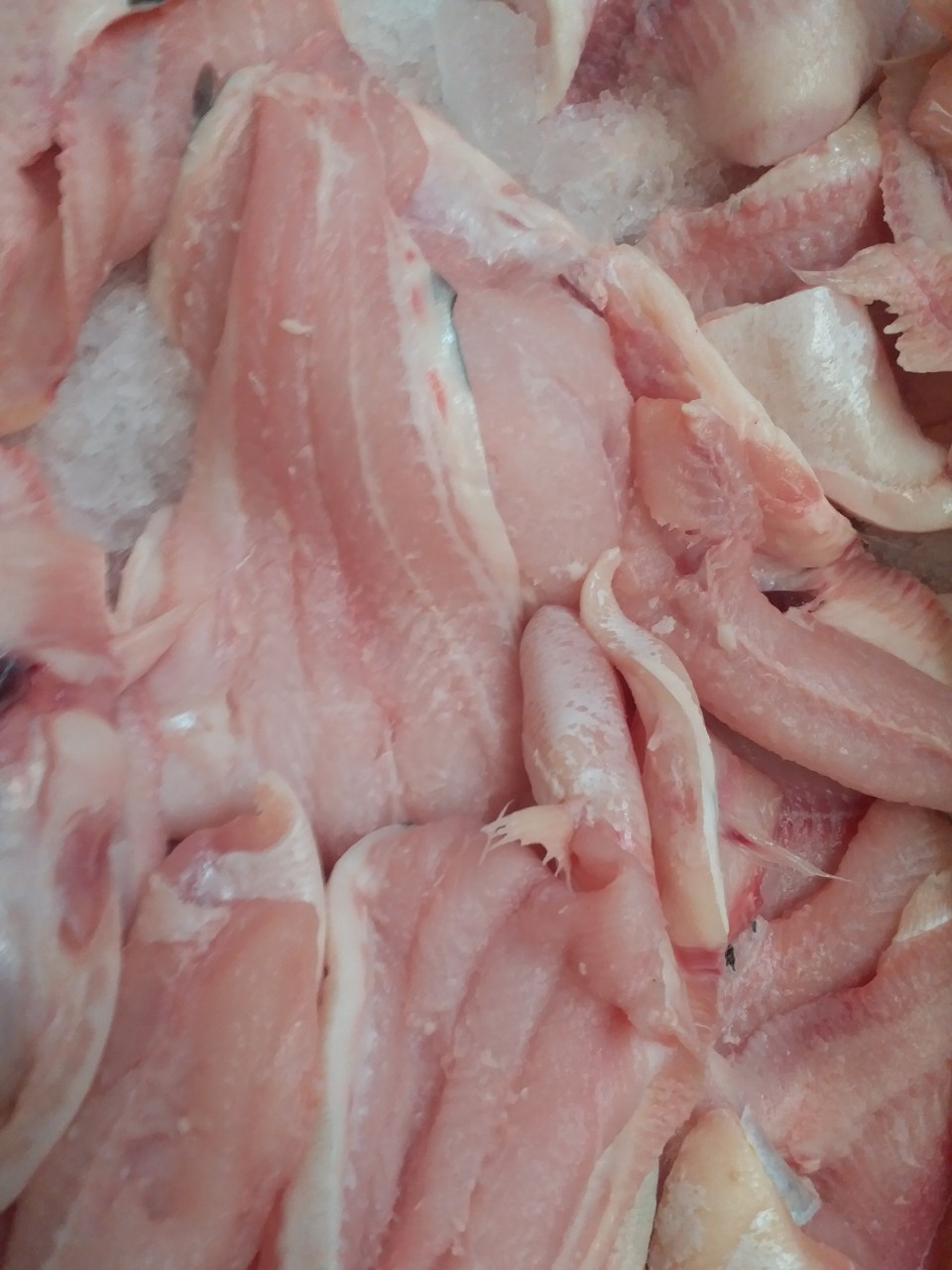
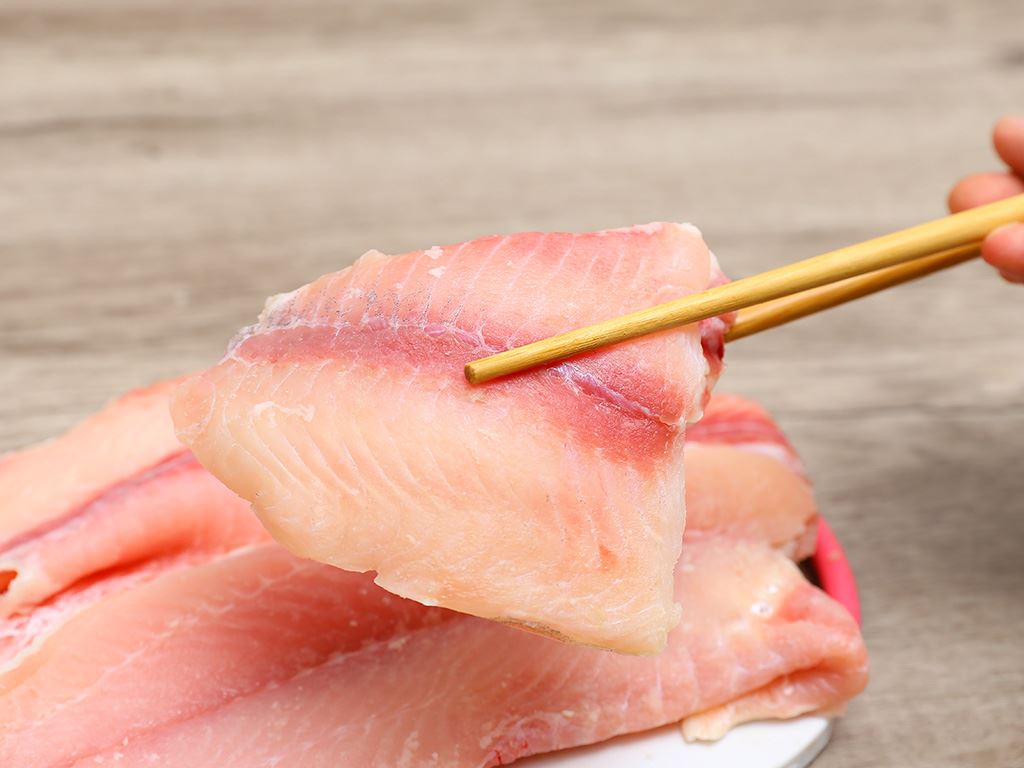
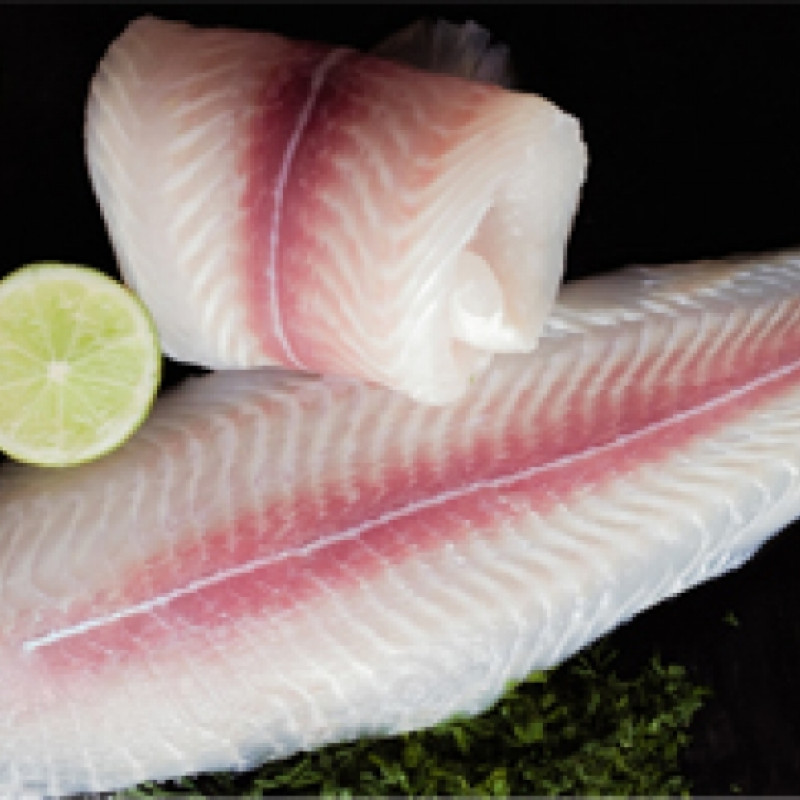
Beyond written laws, import standards also depend on unwritten market preferences. Fillets must exhibit a uniform, bright white color, free from reddish hues, yellowing, or remaining blood vessels. The surface should be smooth, with no signs of freezer burn due to improper storage.
Contact us: 0938 925 489
Regulations on Glazing Percentage Limits
Glazing is essential to protect fish from oxidation during transportation. Japan does not prohibit glazing but requires a reasonable percentage (typically 10% to 20%) and demands clear disclosure so customers know how much actual fish meat they are paying for.
Temperature Control Throughout the Cold Supply Chain
According to food safety laws, frozen seafood must be maintained at a temperature of -18°C or lower throughout the entire process, from the factory, loading onto vessels, sea transport, to warehousing in Japan. Temperature logs (Data Loggers) are often required for verification.
Technical Barriers for Different Product Lines
Frozen Raw Pangasius Fillets (Raw Material)
This product line undergoes the most rigorous inspection for microorganisms (E.coli, Salmonella...) and parasites. The processing stage must ensure absolute prevention of cross-contamination from the external environment into the fish flesh.
Cut Pieces, Whole Cleaned Fish
Import regulations for cut fish require sharp cuts and thorough scraping of the black membrane in the abdomen. Notably, internal organs and gills must be completely removed to minimize biological decomposition during long transit.
Battered, Processed Products (Value Added)
For processed products, food additive regulations come into play. Battering mixes and marinades must be on the list of additives permitted for use by the Japanese Ministry of Health, absolutely avoiding artificial colors or harmful preservatives.
Contact us: 0938 925 489
Customs Procedures and Import Declaration Documents
The importer in Japan must submit a customs declaration form, along with the Commercial Invoice, Packing List, Bill of Lading, C/O, and Health Certificate. The relevant authorities will verify the documents before deciding on the inspection method for the shipment at the inspection yard.
Astra Aqua – Your Partner with Expertise in Japanese Regulations
Instead of leaving partners to navigate complex regulations, Astra Aqua proactively advises and completes all legal documentation from Vietnam. Our QA/QC team has a firm grasp of MHLW standards, ensuring that 100% of exported shipments meet the required standards.
Meticulous preparation of paperwork helps minimize customs clearance time at Japanese ports, significantly saving on storage fees and ensuring a continuous, uninterrupted supply chain for our clients.
Ensuring Shipping Temperatures Comply with Customs Regulations
All export containers are set to deep freezing modes and equipped with international standard automatic temperature recording devices, providing transparent data to Japanese customs upon request for storage history verification.
Towards Sustainable Compliance and Long-Term Cooperation
Adhering to import regulations is not only a legal obligation but also Astra Aqua's commitment to business ethics. We continuously update ourselves on the latest changes in Japanese law to adapt our production processes accordingly and safely.
10 Frequently Asked Questions about Pangasius Import Regulations in Japan
1. Is there any restriction on importing Pangasius into Japan?
Answer: No. Japan fully permits the import of Pangasius, provided the products fully comply with the food safety and hygiene regulations issued by the Ministry of Health.
2. How does Japan control antibiotic residues in exported fish?
Answer: Japan applies a Positive List system with a zero-tolerance level for many antibiotics. All fish shipments may be detained at the port for random microbiological testing.
3. What are the mandatory customs documents for importing seafood into Japan?
Answer: Businesses need to prepare a Health Certificate, Certificate of Origin (C/O), Packing List, Invoice, and Bill of Lading for valid customs clearance.
4. How should the glazing percentage be declared according to Japanese regulations?
Answer: Regulations require transparent declaration of the glazing percentage. The Net Weight indicated on the packaging must accurately reflect the actual amount of fish meat after thawing.
5. Is the Japanese supplementary label mandatory?
Answer: Yes. The Food Labeling Act mandates that all retail pangasius fillet products must have a Japanese label clearly stating origin, ingredients, nutrition, storage instructions, and expiration date.
6. How will a shipment of fish found with prohibited chemicals be handled?
Answer: Violating goods will be immediately suspended from import, ordered for destruction, or returned to the origin. Exporting businesses will be blacklisted and subject to 100% intensified customs inspections.
7. Which international certifications facilitate customs clearance?
Answer: Although not legally mandatory, certifications like HACCP, ISO 22000, BRC, or ASC help to improve process transparency and increase credibility during the Japanese customs' document review.
8. Are additives for battered fish (Value added) regulated?
Answer: Yes. All types of batter mixes or marinades must be on the list of additives permitted by the Japanese Ministry of Health, ensuring absolutely no harmful colors or preservatives are used.
9. What is the storage temperature according to Japanese customs regulations?
Answer: According to food safety and hygiene laws, frozen seafood products must be continuously maintained at -18°C or lower throughout the sea transport and warehousing process.
10. How does Astra Aqua assist partners with legal export documentation to Japan?
Answer: We provide a complete set of valid documents, including Health Certificates and MHLW-compliant test results, enabling partners to complete customs procedures quickly and legally.
Contact Information for Astra Aqua
- Astra Aqua
- Address: 318 Phan Dinh Phung, Cau Kieu Ward, Ho Chi Minh City, Vietnam
- Hotline: 0938 925 489
- Email: sam.le@astraaquaco.com
- Website: https://astraquaco.com
- Tax Code: 0319091146
Understanding and complying with import regulations is the key to the successful market entry of Pangasius into Japan. With professional preparation in legal procedures and quality, Astra Aqua is always ready to provide optimal seafood supply chain solutions for our valued partners.