

Pangasius Fillet Exported to Japan – A Convenient Seafood Solution from Astra Aqua
Overview of white fish consumption trends in Japan
Japan is renowned for its culinary culture that emphasizes high-quality fresh seafood. However, with the fast-paced modern lifestyle, consumers in this country are increasingly prioritizing pre-processed, boneless seafood products that are convenient for cooking while still meeting strict nutritional standards.
Contact us now: 0938 925 489
Recognizing this shift, Vietnamese Pangasius fillets have quickly become a sensation on Japanese supermarket shelves. Thanks to their stable quality and reasonable prices, these products are gradually replacing many expensive domestic ingredients. Partnering with international clients, Astra Aqua is proud to deliver shipments that meet the strictest standards, contributing to the affirmed position of Vietnamese seafood.
Pangasius Fillet – The Perfect Ingredient to Conquer Japanese Palates
Outstanding Characteristics of Pangasius Fillet Meat
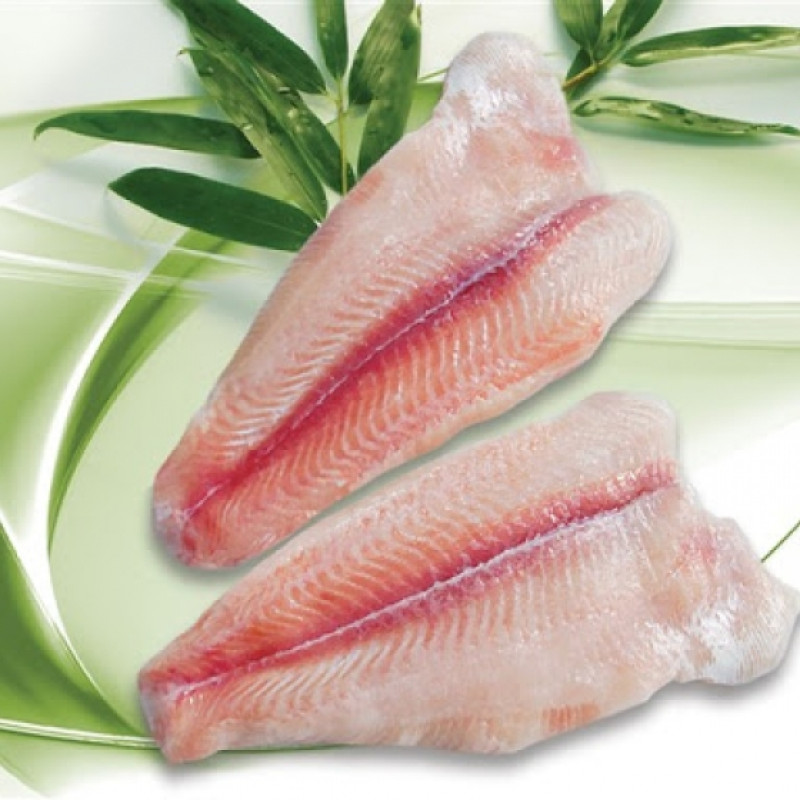
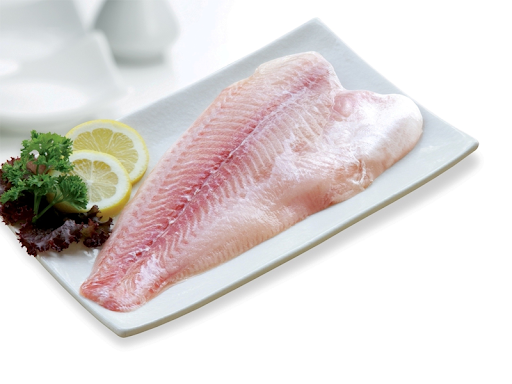
Pangasius fillets score perfectly with their firm, boneless texture and complete absence of muddy odor. Meticulous skinning and trimming of excess fat help the fish retain an attractive, pristine white color, perfectly aligning with the refined aesthetic standards of Japanese meals.
Not only delicious, but this fish also provides a large amount of lean, easily digestible protein, along with micronutrients beneficial for cardiovascular health. This is a significant advantage that helps the product attract the segment of homemakers who are deeply concerned about their family's health.
Culinary Versatility
In the Land of the Rising Sun, pangasius fillets are transformed into a wide variety of dishes. From crispy breaded and fried pangasius (Pangasius Furai) served in convenient bento boxes, to savory butter-garlic grilled dishes or light hot pot immersions. The tender, flaky meat readily absorbs marinades, allowing chefs to unleash their culinary creativity.
Contact us now: 0938 925 489
Technical Standards for Export to the Japanese Market
Food Safety Standards
Japanese authorities apply extremely strict criteria for chemical residue assessment. Any sign of banned antibiotics, heavy metals, or harmful microorganisms will lead to immediate suspension of customs clearance. Transparency regarding the origin is a non-negotiable factor.
This requires suppliers to closely monitor water quality and feed from the fry stage. An ecological farming process, rejecting growth promoters, is the sole key to penetrating and sustaining presence in this promising market.
Contact us now: 0938 925 489
Regulations on Cutting Specifications and Glazing Ratio
Japanese customers place great emphasis on honesty in trade. Pangasius fillets must be neatly trimmed, with the black membrane completely removed. The glazing ratio, used to protect the fish from freezer burn, must be accurately declared on the packaging, and net weight must not be falsified.
Astra Aqua – Creating Sustainable Export Value
International Standard Linked Pangasius Farming Areas
To meet the demand of the premium supply chain, Astra Aqua has partnered to develop extensive raw material areas certified globally with ASC, BAP, and GlobalGAP. The ecological farming model helps naturally control diseases and protect the Mekong River's water environment.
Clean raw fish sources not only bring high processing efficiency but also represent our strong commitment to social responsibility, building unwavering trust with major retail groups in Japan.
High-Tech Sterile Processing Plant
All stages, from skinning, deboning, shaping, to freezing, are operated according to HACCP and ISO 22000 standards. The processing environment is under strict temperature control to minimize the proliferation of harmful bacteria.
Professional Frozen Pangasius Fillet Production Process
Color Enhancement and Microbial Treatment Techniques
Products undergo processing with safe food additives (in compliance with Japanese regulations) to help the fish retain moisture, prevent dryness, and maintain its attractive natural pinkish-white color after thawing.
Contact us now: 0938 925 489
IQF (Individually Quick Freezing) System
Filleted fish are passed through an advanced IQF freezing conveyor at -40°C. This rapid process helps structure the fish cells, ensuring freshness and preventing drip loss during cooking.
Vacuum Packaging According to Japanese Labeling Laws
Products are packaged in various formats, from 500g bags to 10kg cartons. All packaging is professionally designed, with Japanese labels providing transparent technical specifications, barcodes, and storage instructions for the end consumer.
Most Popular Pangasius Export Products
White Pangasius Fillet Portion Cut (Portioned Portions)
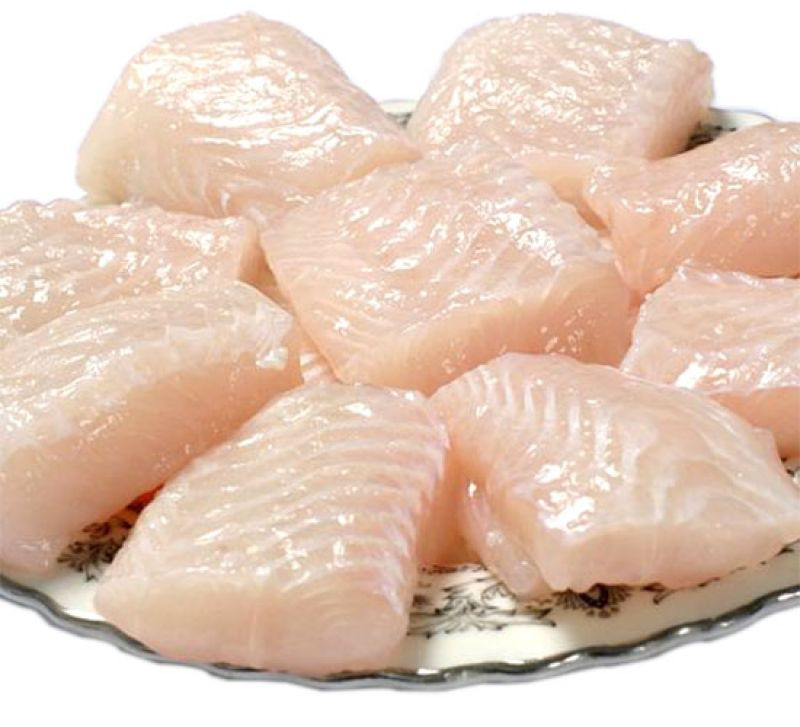
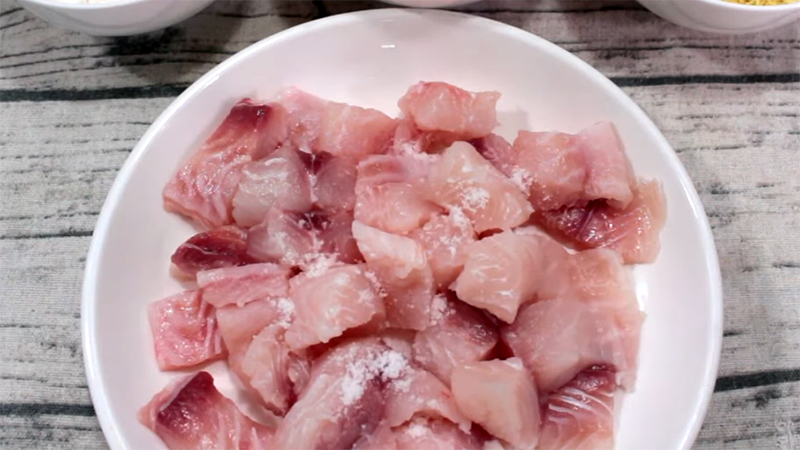
Products are divided into equally weighted portions (e.g., 100g/piece), which are very convenient for fast-food chains and industrial kitchens, helping them easily calculate portions and costs.
Well-trimmed Pangasius Fillet
This premium product has had its belly fat, back fat, and dark meat meticulously removed. Pangasius fillets are elegantly shaped and long, perfectly meeting the stringent requirements of high-end food distribution supermarket chains in Tokyo and Osaka.
Pre-processed Breaded Pangasius
To optimize cooking time, ready-to-fry breaded pangasius fillet products are experiencing booming sales in Japan. In just a few minutes of reheating, consumers can enjoy a delicious main course, crispy on the outside and tender on the inside.
Contact us now: 0938 925 489
Ensuring Fast and Transparent Customs Clearance
Every container shipped from our factory is equipped with a complete set of quarantine documents, a Health Certificate, and independent antibiotic test results. This meticulous preparation helps partners minimize demurrage time at the port.
Advantages of Partnering with Astra Aqua Brand
Reputation is the core foundation of doing business with Japanese people. Astra Aqua always maintains its commitment to timely delivery and the same quality as the initial sample. Our large supply capacity allows us to stabilize prices even during peak seasons.
Furthermore, our dedicated support team is ready to listen and flexibly adjust packaging specifications (OEM) to align with the business strategies of each domestic importing company.
Cold Chain Transportation Service Throughout Vietnam – Japan Route
We have strategic partnerships with leading shipping lines, offering deep-freeze container transportation solutions (-18°C to -20°C). Temperatures are continuously monitored by sensor equipment, ensuring that the fillets maintain their quality upon arrival.
Commitment to Partner Prosperity
With a "Win-Win" partnership mindset, Astra Aqua continuously innovates technology and optimizes processes. Our goal is to make Vietnamese white fish products the number one choice, replacing depleted traditional raw materials.
10 Frequently Asked Questions About Pangasius Fillet Import to Japan
1. Is frozen pangasius fillet popular in Japan?
Answer: Very popular. Due to the increasing demand for convenience, boneless and affordable Pangasius fillets are becoming familiar ingredients in Japanese industrial kitchens and supermarkets.
2. What color do Japanese people prefer for fish fillets?
Answer: The Japanese market has extremely high requirements for sensory appeal; the fish meat must be bright white (white meat), free from the black membrane, and show no signs of yellowing or redness.
3. What documents are required for export customs to Japan?
Answer: To clear customs, shipments require a Commercial Invoice, Packing List, Bill of Lading, Certificate of Origin (C/O), and most importantly, a Health Certificate.
4. What is the typical glazing ratio for this market?
Answer: Typically, the glazing ratio ranges from 10% to 20%. However, Japanese regulations require the Net Weight indicated on the packaging to be accurate and must not include this ice content.
5. Does Astra Aqua provide retail packaging printed in Japanese?
Answer: Yes. We offer small bag packaging services (from 300g to 1kg), designing and printing labels in Japanese that fully comply with domestic food labeling laws.
6. Will shipments be tested for antibiotics upon arrival in Japan?
Answer: Certainly. Japanese health authorities will conduct random sampling for banned antibiotic residue testing. If violations are found, the entire shipment will be refused entry and ordered for destruction.
7. What standards does Astra Aqua meet for export?
Answer: We implement a closed-loop processing system meeting HACCP, ISO 22000, and BRC standards, and our raw fish is harvested from ecologically certified ASC farming areas.
8. What are the available sizes for portion-cut pangasius fillets?
Answer: We can flexibly cut portions according to the requirements of Japanese restaurants, with the most common sizes being: 60g, 80g, 100g, or 120g per piece.
9. How long does it take to transport a reefer container from Vietnam to Japan?
Answer: Depending on the destination port (such as Tokyo, Kobe, Osaka...), sea freight transit time typically ranges from 7 to 10 days.
10. Does the company support OEM (private label) processing?
Answer: Absolutely. We are ready to process, package according to specifications, and apply the private label of Japanese partners to help them optimize their retail market share.
Astra Aqua Contact Information
- Astra Aqua
- Address: 318 Phan Dinh Phung Street, Cau Kieu Ward, Ho Chi Minh City, Vietnam
- Hotline: 0938 925 489
- Email: sam.le@Astraaquaco.com
- Website: https://astraaquaco.com/
- Tax Code: 0319091146
Pangasius fillet proudly stands as a strategic seafood product offering high added value in the Japanese market. With a synchronized production system, Astra Aqua is committed to being a trusted companion, supplying the freshest and safest products to global consumers.