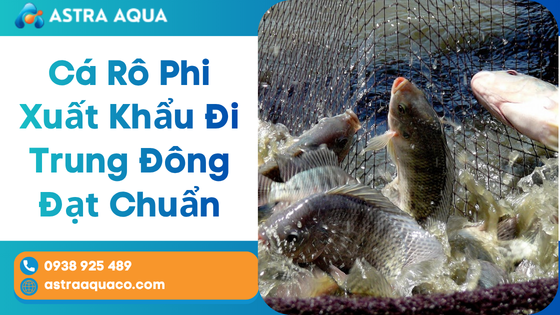
Discover Standard-Compliant Tilapia for Export to the Middle East at Astra Aqua Company. Fresh, delicious fillet products, international certifications, competitive prices – Your trusted partner for Middle Eastern import businesses.
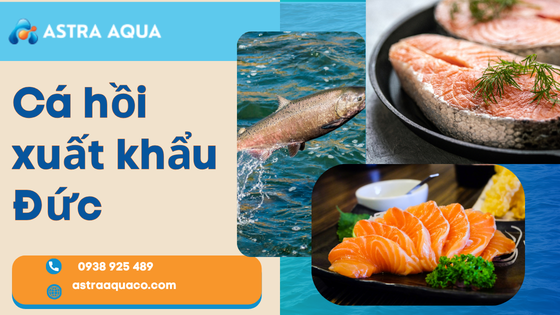
Discover premium German export salmon with Astra Aqua Company. IQF frozen fresh fillet and steak salmon products, transparent origin, meeting strict German market standards. A trusted partner for European seafood importers.
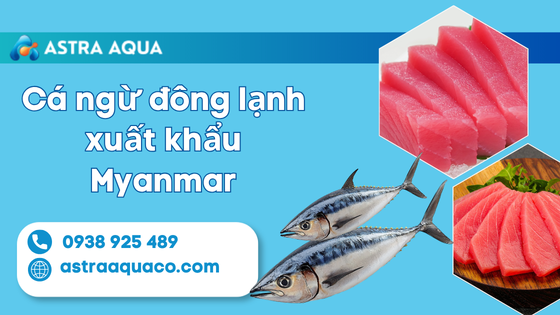
Reliable frozen tuna export to Myanmar by Astra Aqua Company. Supplying frozen ocean tuna loins and fillets, high in nutrients, with transparent sourcing. Ensuring quality and professional logistics.
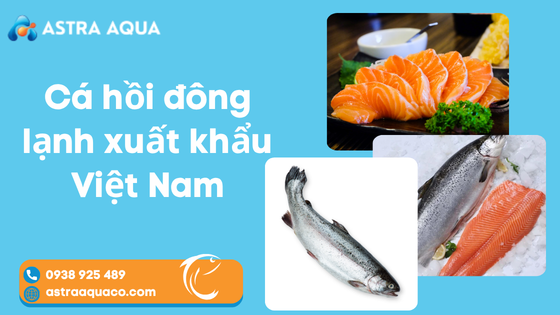
Discover reputable Vietnamese export frozen salmon from Astra Aqua. Fresh, delicious fillet products with clear traceability, exported to Japan, USA, EU. Hotline: 0938 925 489.
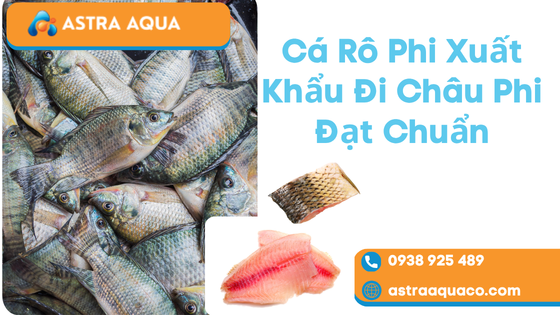
Discover export-standard tilapia for the African market from Astra Aqua Company. High-quality, food-safe, and competitively priced Vietnamese tilapia supply. Professional sourcing & export services – astraaquaco.com.
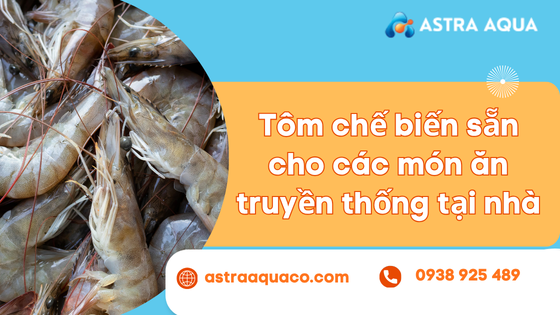
Discover Astra Aqua's premium pre-processed shrimp – the perfect solution for family meals. Easily prepare traditional Vietnamese dishes while ensuring freshness, nutrition, and food safety.
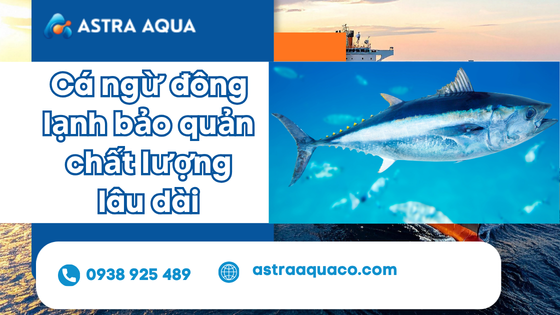
Discover how to preserve the quality of frozen tuna for up to 12 months while retaining its nutrients and freshness. Astra Aqua Company - a reputable supplier of frozen tuna in Ho Chi Minh City, meeting export standards.
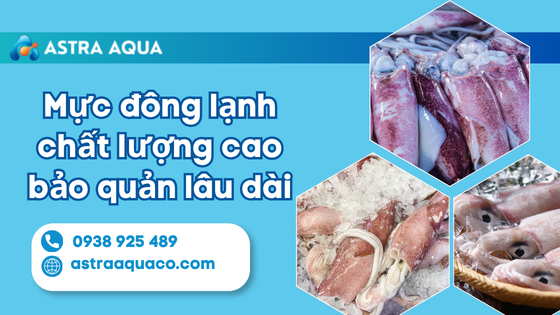
Khám phá mực đông lạnh chất lượng cao với quy trình cấp đông hiện đại, giữ nguyên độ tươi, vị ngọt tự nhiên và dinh dưỡng, bảo quản lâu dài, đáp ứng nhu cầu chế biến đa dạng cho mọi bữa ăn.
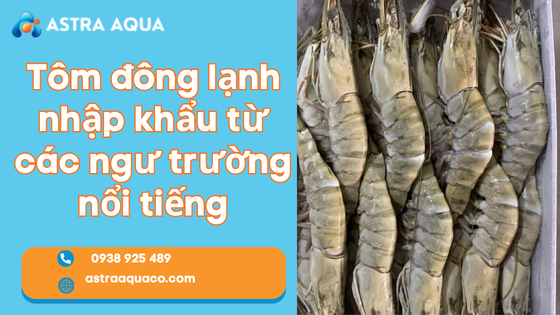
Discover premium imported frozen shrimp from the world's top fishing grounds with Astra Aqua Company. Fresh, safe, and affordably priced tiger prawns and whiteleg shrimp. Transparent sourcing – export standard compliant.
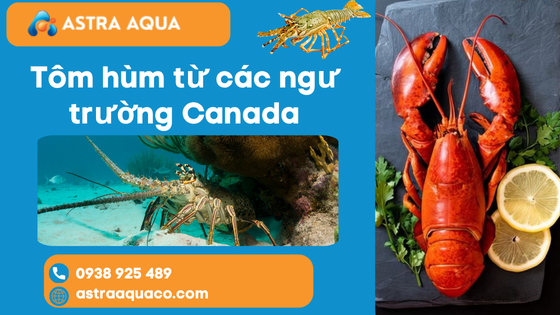
Discover sustainable Canadian lobster from the world's cleanest cold-water fisheries. Astra Aqua offers premium, MSC-certified Canadian lobster, perfect for restaurants & families. Transparent Sourcing – Superior Quality.
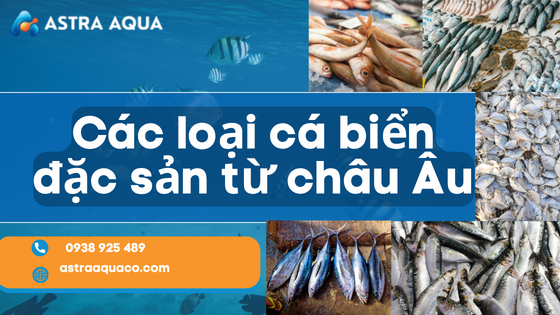
High-quality European specialty seafood – salmon, cod, halibut, etc. – offering superior nutrition for health. Buy reputable European seafood at Astra Aqua Company – Fast delivery in Ho Chi Minh City.
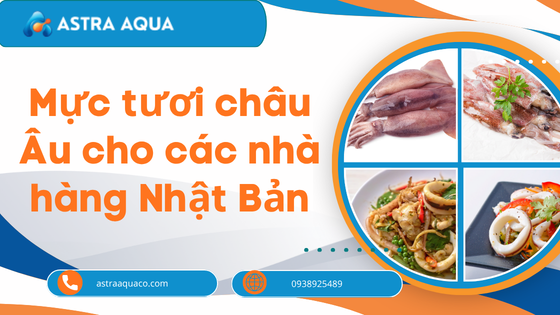
Export-quality fresh European squid tailored for Japanese restaurants. Astra Aqua provides crisp, nutritious fresh squid, sourced directly from Europe.
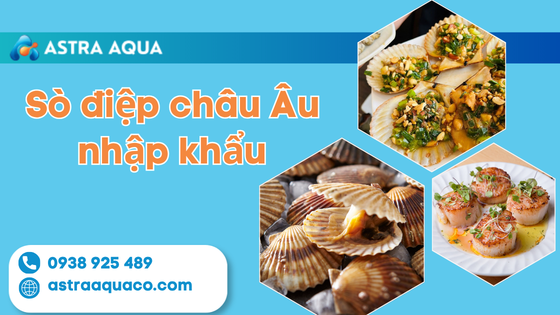
High-quality imported European scallops from Astra Aqua – premium dry-packed seafood, ensuring safety and exquisite flavor. Perfect for restaurants & households. Transparent origin, fast delivery.
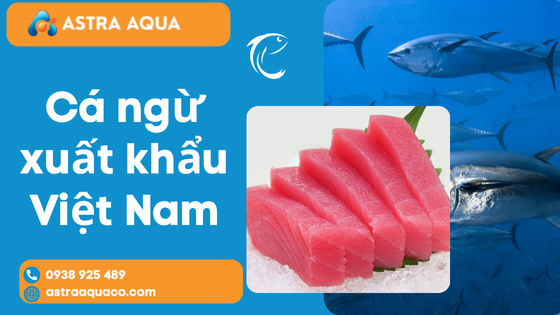
Discover reputable Vietnam tuna exports at Astra Aqua. We offer premium IQF frozen ocean tuna, rich in Omega-3, with transparent sourcing and competitive pricing.
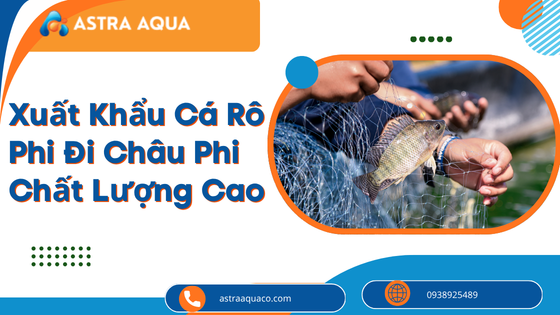
Astra Aqua specializes in exporting high-quality tilapia to Africa at competitive prices. Our products are fresh, safe, and available in various fillets and whole fish formats. A reliable partner for African importers.
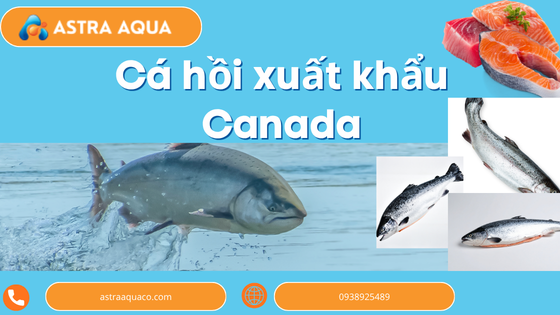
Discover high-quality Canadian salmon export supplies from Astra Aqua Company – Vietnam. Fresh, Omega-3 rich salmon, available in various fillets and ready-to-eat options. Professional sourcing and export services with on-time delivery.
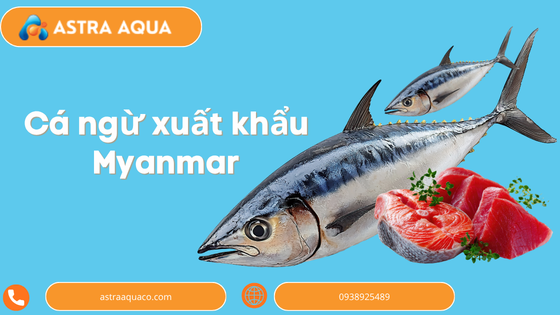
Reputable tuna exports to Myanmar from Astra Aqua Company – Vietnam. We provide high-quality, sashimi-grade ocean tuna with transparent origins. Professional sourcing & logistics services, timely delivery.
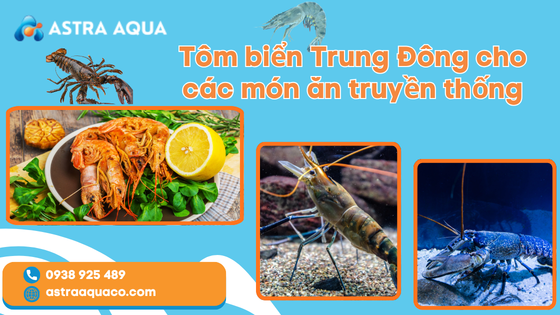
Discover premium Middle Eastern Sea Shrimp at Astra Aqua Company – a perfect match for flavorful traditional meals. Export-standard, nutritious, and competitively priced.
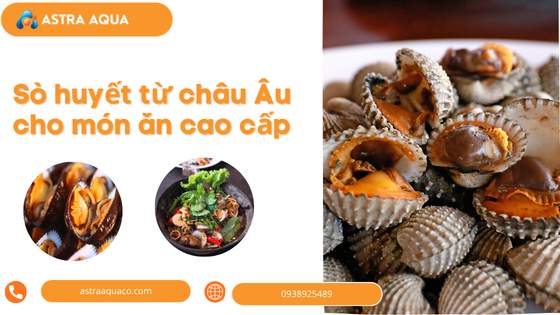
European blood clams offer a premium culinary experience with their exquisite flavor and freshness. Astra Aqua provides fresh and IQF frozen blood clams, meeting export standards. Discover recipes and order with confidence at astraaquaco.com.

Premium imported frozen seafood from Astra Aqua – Norwegian Salmon, Tiger Prawns, Ocean Tuna, Pangasius Fillets… HACCP, IQF certified, preserving nutrients & fresh taste. Nationwide delivery. Contact: 0938 925 489.
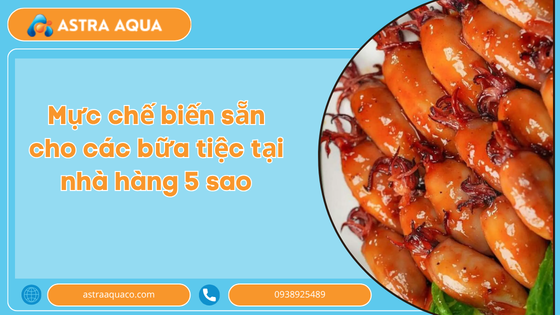
Discover premium ready-to-cook squid for 5-star restaurants at Astra Aqua. From fresh whole squid to convenient pre-cut portions, all HACCP certified for superior taste. Your trusted partner for upscale events. Contact us now!
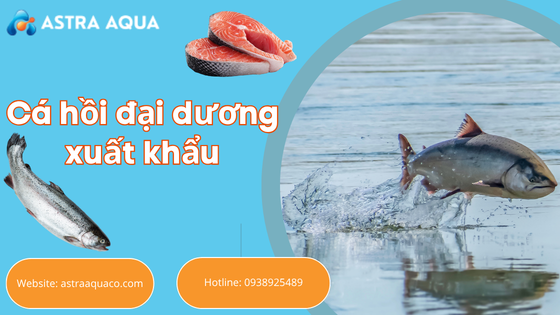
Discover high-quality export ocean salmon from Astra Aqua Company – firm, sweet flesh, rich in Omega-3, certified HACCP, GlobalG.A.P. Transparent sourcing, timely delivery to 20+ countries. Contact us now: 0938 925 489.
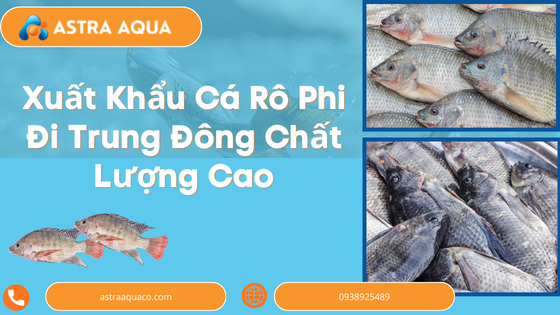
Export high-quality tilapia to the Middle East from Astra Aqua Company. Frozen, filleted Vietnamese tilapia products, standard halal, reliable sourcing, on-time delivery. Contact 0938 925 489.
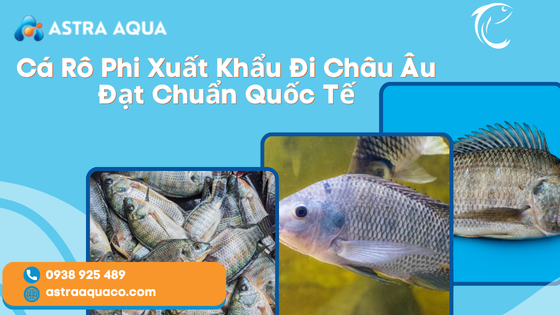
Tilapia exported to Europe meets international standards – Astra Aqua Company provides sustainable, traceable, high-quality supply. Fully compliant with EU standards with HACCP, ASC certifications. Hotline: 0938 925 489.
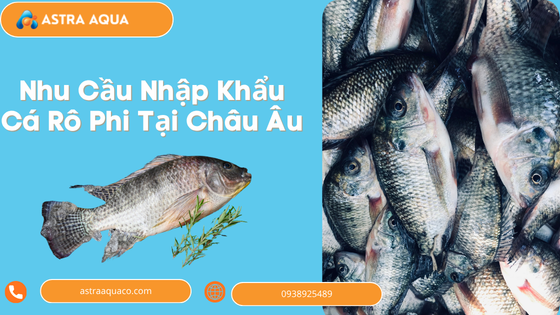
The demand for tilapia imports in Europe is rapidly increasing due to the healthy food consumption trend. Join Astra Aqua to explore export opportunities for fresh seafood in the EU market.
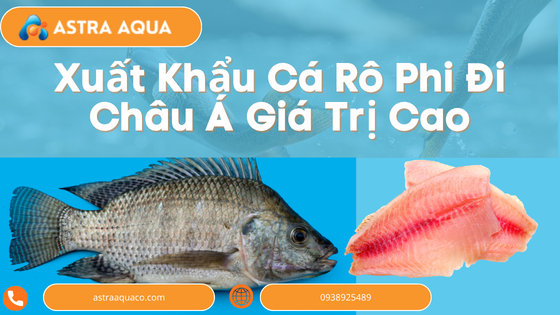
Discover high-value tilapia export solutions to Asia from Astra Aqua Company. We offer premium quality tilapia fillets and fresh seafood, meeting international standards, with optimized sourcing & logistics support for Vietnamese businesses.
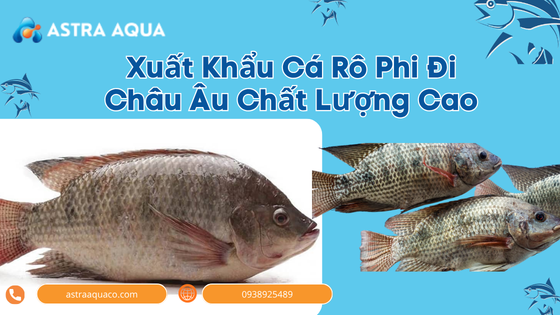
Exporting high-quality pangasius to Europe from Astra Aqua Company. Products meet GlobalGAP, HACCP, ASC standards, fresh fillets, clear traceability. Contact us now: 0938 925 489
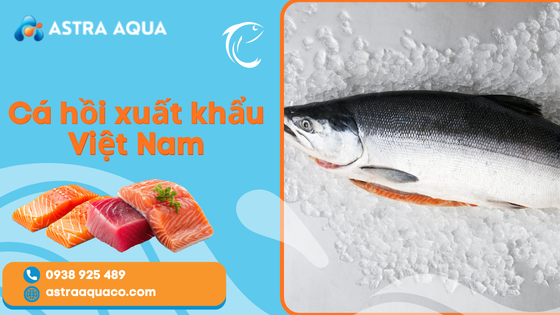
Explore the potential of Vietnamese salmon exports, market trends, quality standards, and collaboration opportunities with Astra Aqua – a professional supplier of fresh seafood and expert in seafood export services.
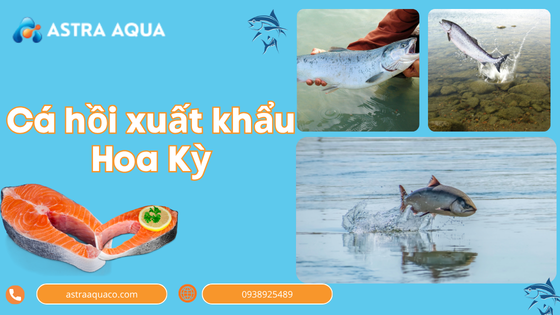
Explore the US salmon export market with modern aquaculture, processing, and preservation. Astra Aqua provides professional live seafood sourcing solutions for businesses.
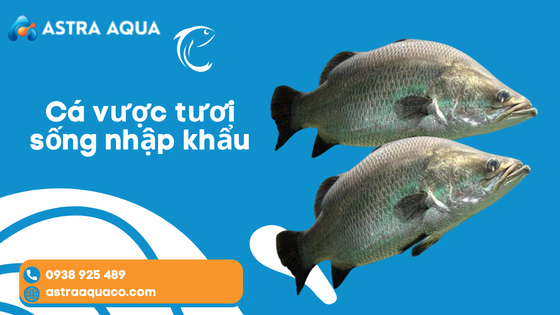
Find high-quality imported fresh seabass at competitive prices, with clear origins, suitable for restaurants and families. Astra Aqua Company provides premium imported fresh seafood.
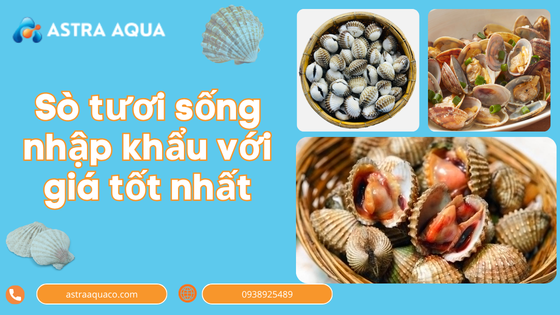
Imported live clams at the best price at Astra Aqua. Premium fresh seafood, blood clams, scallops, and razor clams, fresh and delicious, meeting international standards. Fast delivery in Ho Chi Minh City & nationwide. Contact us now at 0938 925 489.
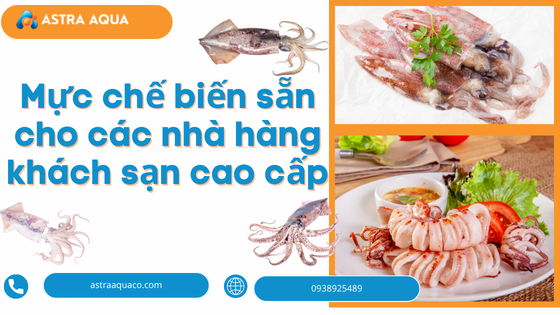
High-quality processed squid for premium hotels and restaurants. Cleaned, pre-cut, IQF preserved for natural crispness from Astra Aqua Company. Fast delivery in HCMC & nationwide.

ASTRA AQUA INTERNATIONAL CO., LTD
Address: 318 Phan Đinh Phung, Cau Kieu Ward, Ho Chi Minh City, Vietnam
Hotline: (+84) 938925489
Email: sales01@astraaquaco.com
Website: https://astraaquaco.com
Tax Code: 0319091146