

Japan's Tilapia Import Standards – A Detailed Guide for Export Businesses
Overview of Japan's Tilapia Import Standards
Japan is considered one of the markets with the world's most stringent food safety control systems. For seafood in general and Tilapia in particular, requirements for quality, traceability, and biosafety are strictly regulated. This presents a significant challenge but also opens opportunities for businesses with strong control capabilities and a sustainable development orientation.
Tilapia is a popular white fish valued for its high nutritional content, ease of preparation, and reasonable price. However, to be permitted for import into Japan, products must fully comply with the country's current food safety, quarantine, and technical standards.

Contact us now: 0938 925 489
Astra Aqua is a unit focused on developing premium export-standard Tilapia products, with a particular emphasis on the Japanese market. Building a comprehensive quality control system across the entire chain enables businesses to effectively meet the stringent requirements of their partners.
Legal Framework for Tilapia Imports into Japan
Food Safety Law System
Japan manages imported food through a strict legal system to protect consumer health. Imported seafood is subject to document review and may undergo actual testing at the port if necessary.
Key control areas include:
- Antibiotic and chemical residues
- Heavy metal content
- Pathogenic microorganisms
- Additives and preservatives
If a shipment of Tilapia does not meet requirements, the product may be re-exported or destroyed.
Seafood Quarantine Regulations
Before being allowed for distribution in the Japanese market, Tilapia must have:
- Quarantine certificate
- Records of the farming area origin
- Standard-compliant testing reports
Astra Aqua standardizes export documentation processes to ensure every shipment has all the required paperwork for Japanese authorities.
Contact us now: 0938 925 489
Food Safety Requirements for Tilapia
Antibiotic Residue Control
One of the most critical criteria is the level of antibiotic residues. Japan has a very strict list of banned substances and maximum residue limits (MRLs). Businesses must:
- Control animal feed
- Minimize the use of antibiotics
- Conduct regular testing
Astra Aqua applies a controlled farming model, ensuring Tilapia meets standards before processing.
Microbiological and Heavy Metal Control
Tilapia products must not contain harmful bacteria exceeding permissible limits. Additionally, levels of heavy metals like lead and mercury must be within safe ranges.
Processing plants should have in-house laboratories or collaborate with independent testing facilities to ensure transparent results.

Contact us now: 0938 925 489
Traceability Standards
Supply Chain Information Transparency
Japan places significant importance on traceability. Each batch of Tilapia must clearly indicate:
- Farming area
- Harvesting time
- Processing plant
- Production lot
Astra Aqua invests in data management systems to store and promptly provide traceability information to partners.
Sustainable Aquaculture Requirements
Japanese consumers are increasingly concerned about environmental factors. Therefore, Tilapia farming models that are sustainable and reduce ecological impact will have a higher competitive advantage.
Processing and Preservation Standards for Export Tilapia
Processing Plant Conditions
Processing plants must meet international standards such as:
- Food safety management systems
- Strict hygiene protocols
- Temperature control throughout the production process
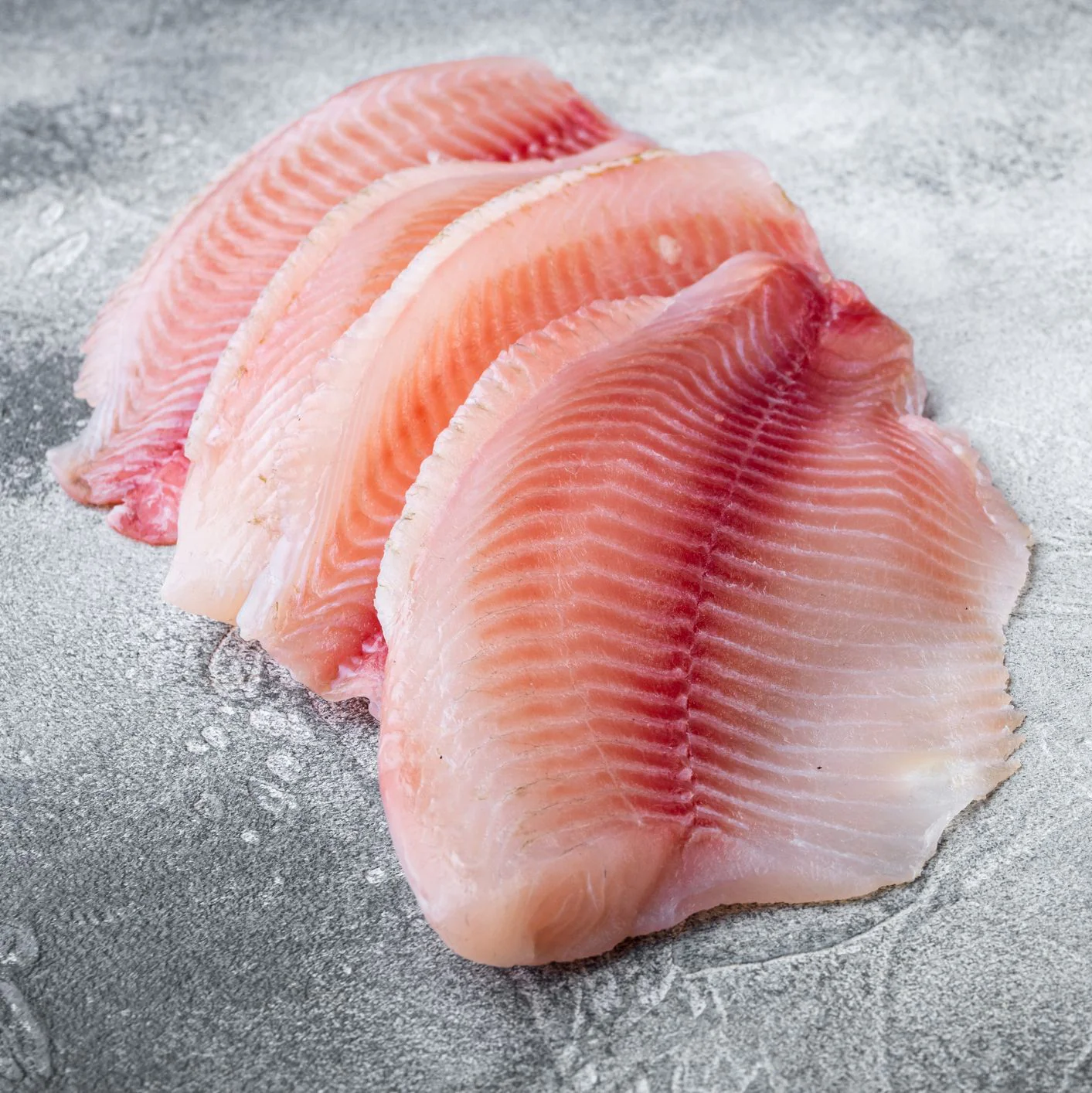
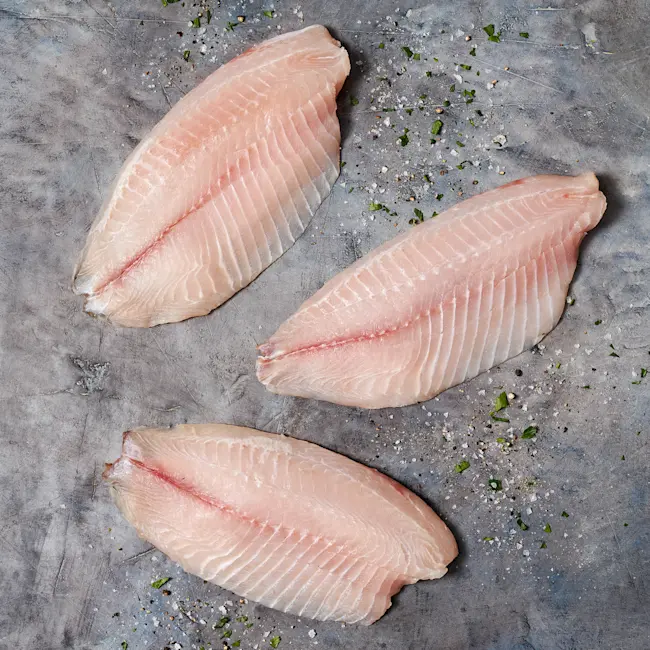
Frozen Tilapia fillets must be rapidly frozen to preserve meat structure and nutritional value.
Cold Chain and Transportation
The cold chain must be maintained continuously from the processing plant to the import port in Japan. Inconsistent storage temperatures can affect quality and lead to rejection risks.
Astra Aqua implements a comprehensive temperature monitoring system to ensure Tilapia products reach partners with optimal quality.
Contact us now: 0938 925 489
Product Specifications and Labeling
Sensory Requirements
Exported Tilapia must meet:
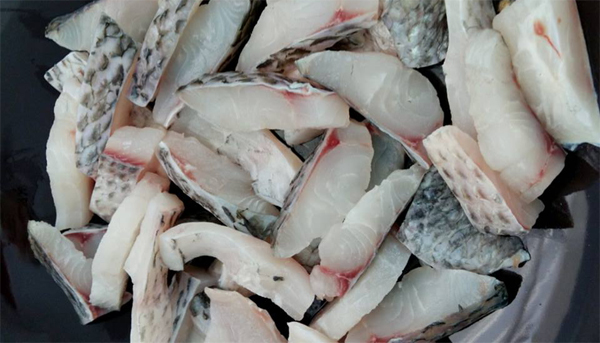
- Natural white flesh
- No bruising
- No off-odors
- Appropriate firmness
Labeling Information
Packaging must clearly state:
- Product name
- Origin
- Production date
- Expiration date
- Storage conditions
Incorrect labeling can lead to shipments being held at the port.
Challenges in Meeting Japanese Import Standards
High Technical Barriers
Standards are frequently updated and tend to become increasingly stringent. This requires businesses to proactively upgrade their production processes.
Costs of Control and Testing
To ensure Tilapia meets standards, businesses need significant investment in:
- Laboratories
- Quality management systems
- Specialized personnel
However, this is a necessary investment to maintain credibility in a high-value market.
Astra Aqua's Role in Meeting Japanese Standards
Astra Aqua focuses on developing Tilapia products with a closed-loop model from farming to export. Key strengths include:
- Strict input control
- Standard-compliant processing procedures
- Transparent traceability records
- Long-term quality commitment
With a strategy focused on quality over short-term volume, Astra Aqua is building a solid foundation to conquer the Japanese market.
Contact us now: 0938 925 489
Strategies for Enhancing Tilapia Export Capabilities
To meet increasingly high import standards, businesses need to:
- Invest in modern farming technology
- Standardize processing procedures
- Build a reputable brand
- Establish long-term partnerships with Japanese counterparts
Astra Aqua is oriented towards sustainable development, focusing on added value and expanding market share in premium segments.
10 Frequently Asked Questions
1. What are the main requirements for Japan's Tilapia import standards?
Answer: This includes requirements for food safety, seafood quarantine, limits on antibiotic/chemical residues, microbiological standards, traceability, HACCP certification, and valid export documentation according to Japanese regulations.
2. What are Japan's regulations on antibiotic residues in Tilapia?
Answer: Japan applies very strict Maximum Residue Limits (MRLs) for each active substance; many antibiotics are completely banned. If residues exceed the limit, shipments may be returned or destroyed.
3. Is quarantine mandatory for Tilapia exported to Japan?
Answer: Yes. Products must be issued a quarantine certificate by the competent authority of the exporting country and comply with Japanese import control regulations.
4. What documents do businesses need to prepare when exporting Tilapia to Japan?
Answer: Documents include commercial contracts, invoices, packing lists, certificates of origin (C/O), quarantine certificates, food safety test results, and other related documents as required by the importer.
5. Does Japan have traceability requirements for Tilapia?
Answer: Yes. Businesses must demonstrate the origin of fry, farming areas, cultivation, harvesting, and processing procedures to ensure transparency and food safety.
6. What are the microbiological standards for frozen Tilapia imported into Japan?
Answer: Products must meet safety limits for total aerobic bacteria, E.coli, Salmonella, and other microbiological indicators according to the Japanese Food Sanitation Law.
7. Is it mandatory to apply HACCP when exporting Tilapia to Japan?
Answer: Most Japanese importers require processing plants to apply food safety management systems like HACCP or equivalent standards to ensure risk control.
8. What happens if a Tilapia shipment violates regulations in Japan?
Answer: The shipment may be detained for 100% inspection, returned to the exporting country, or destroyed; businesses may also face increased inspection frequency for subsequent shipments.
9. Does Japan have labeling requirements for imported Tilapia?
Answer: Yes. Labels must clearly state the product name, origin, production date, expiration date, storage conditions, and importer information according to Japanese labeling regulations.
10. How can businesses best meet Japan's Tilapia import standards?
Answer: Businesses need to establish standard farming areas, strictly control antibiotics and chemicals, apply HACCP, conduct regular testing, and closely coordinate with import partners to stay updated on the latest regulations.
Contact Information for Astra Aqua
- Astra Aqua
- Address: 318 Phan Dinh Phung, Cau Kieu Ward, Ho Chi Minh City, Vietnam
- Hotline: 0938 925 489
- Email: sam.le@astraaquaco.com
- Tax ID: 0319091146
- Website: https://astraquaco.com
Japan's Tilapia import standards are a comprehensive set of requirements covering food safety, traceability, product specifications, and cold chain control. This is a market demanding professionalism, transparency, and long-term investment.
To succeed, businesses must build integrated processes, enhance control capabilities, and ensure products consistently meet the highest standards. With a clear strategic direction and a synchronized management system, Astra Aqua is progressively asserting its position in the Tilapia export sector to Japan, contributing to elevating Vietnamese seafood in the international market.