


Japanese Standard Seabass Fillets – Sustainable Export Solutions with Astra Aqua
In the context of a global seafood market increasingly prioritizing quality, traceability, and food safety standards, Japanese Standard Seabass Fillets are becoming a strategic choice for many importers and distribution partners. More than just a value-added product, seabass fillets represent the export company's quality control capabilities, freezing technology, and brand reputation.
Astra Aqua is proud to be a supplier of Seabass and Seabass Fillets that meet export standards and satisfy the stringent requirements of the Japanese market. With a vision for sustainable development, Astra Aqua has built a closed-loop value chain from farming, harvesting, processing, to logistics, delivering stable, consistent, and safe products.

Contact us now: 0938 925 489
Market Potential for Seabass Fillets in Japan
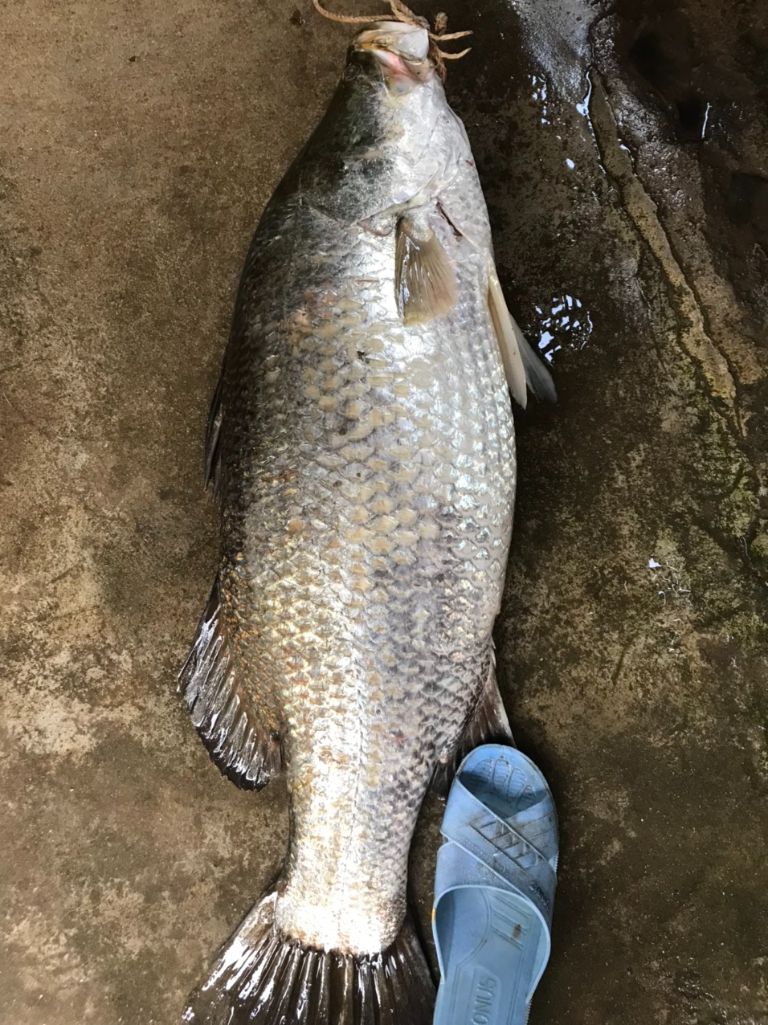
Japan is one of the largest and most demanding seafood markets globally. Japanese consumers tend to prefer fresh, safe food, with strict controls on antibiotic residues and hygiene standards. Among imported seafood, seabass is increasingly popular due to its:
- White flesh with natural sweetness
- Firm texture, few small bones
- Versatility in cooking methods such as grilling, steaming, frying, and creative sashimi
- Ease of preservation and transportation in frozen form
Japanese Standard Seabass Fillets must not only meet sensory requirements but also provide clear traceability documentation, compliant processing procedures, and a rigorous quality control system.
Astra Aqua recognized this trend early on and has made comprehensive investments to develop a specialized seabass fillet product line for the Japanese market.
Contact us now: 0938 925 489
Why are Japanese Standard Seabass Fillets Highly Regarded?
Strict Food Safety Requirements
Japan implements a stringent food safety control system for imported seafood. Seabass fillets must ensure:
- No antibiotic residues exceeding permissible levels
- No heavy metal contamination
- Absence of harmful microorganisms
- Compliance with freezing and storage standards
Astra Aqua has established a multi-layered quality control process, from the farm to the finished product, ensuring the highest level of safety for its seabass fillets.
Transparent Traceability
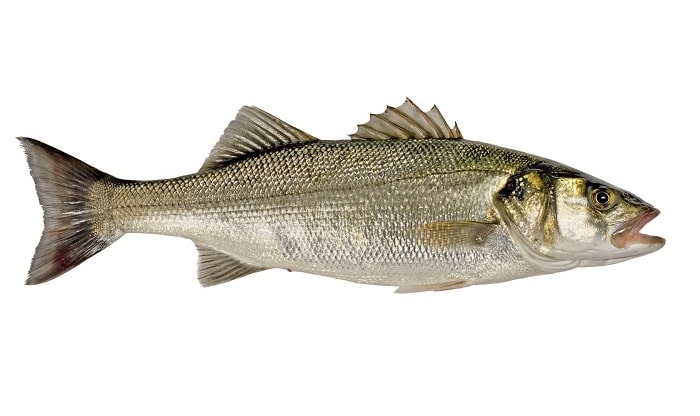
The Japanese market requires clear traceability records: farming location, harvest time, processing procedures, and storage conditions. Astra Aqua utilizes a strict data management system, allowing partners to verify product origins transparently and quickly.
Contact us now: 0938 925 489
Uniformity in Size and Quality
Japanese Standard Seabass Fillets must ensure uniformity in:
- Weight
- Fillet thickness
- Flesh color
- Moisture content
Astra Aqua strictly controls the sorting and preparation process to ensure consistency in every batch.
Seabass Fillet Production Process at Astra Aqua
Standardized Farming Ponds
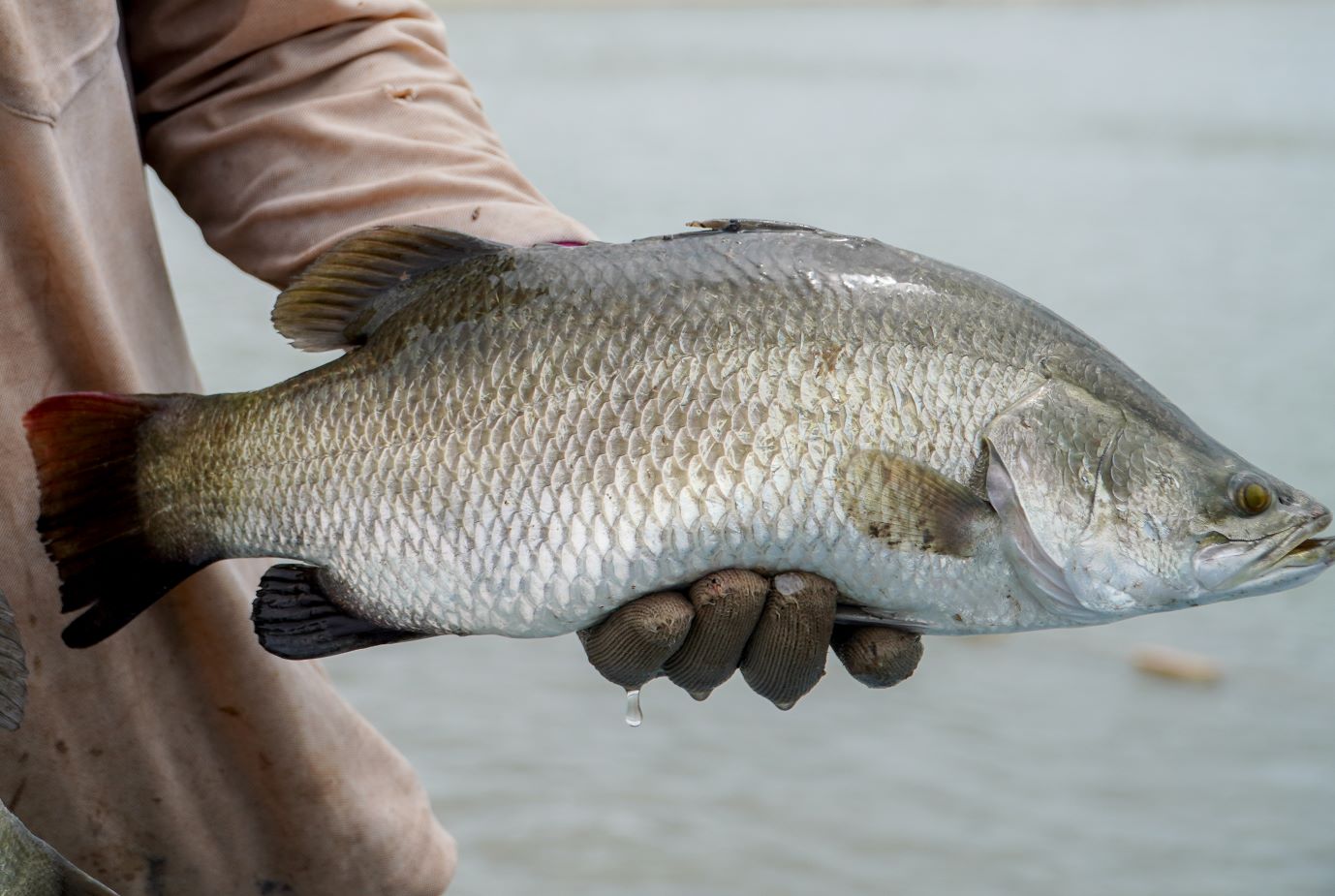
Astra Aqua selects seabass farming locations with stringent management of water quality, feed, and stocking density. This ensures seabass grow healthily, with firm flesh and minimized disease risk.
The farming process is continuously monitored to ensure:
- No prohibited antibiotics are used
- Regular water quality checks
- Adherence to pre-harvest withdrawal periods
- Harvesting and initial processing
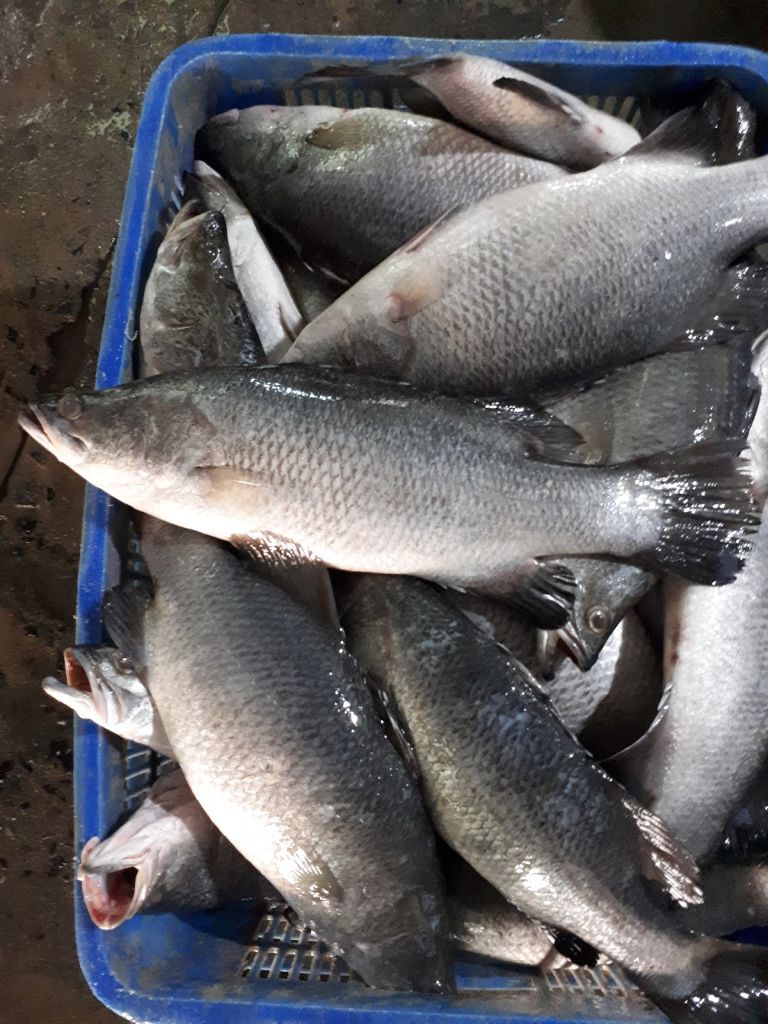
Seabass are harvested following a stress-minimizing procedure to maintain the best flesh quality. The product is then quickly transported to the processing plant under standard temperature conditions.
Filleting Process
At the processing plant, seabass undergo:
- Cleaning
- Deboning
- Skinning upon request
- Sensory inspection
- Size sorting
The filleting process adheres to strict hygiene standards, ensuring no cross-contamination and maintaining the freshness of the fish.
Rapid Freezing
Rapid freezing technology helps seabass fillets retain their meat structure, minimize moisture loss, and preserve nutritional value. This is a crucial factor in meeting Japanese standards.
Contact us now: 0938 925 489
Astra Aqua's Competitive Advantages in Seabass Export
Astra Aqua offers not just products but comprehensive solutions for import partners.
Closed-Loop Supply Chain
Control from the farm to the finished product allows Astra Aqua to proactively manage:
- Production volume
- Delivery times
- Consistent quality
- Competitive pricing
- Complete legal documentation
Astra Aqua supports partners with:
- Quarantine certificates
- Export documentation
- Traceability documents
- Transparent batch information
- Logistics optimization
Seabass fillets are stored in compliant reefer containers, ensuring a continuous cold chain throughout transportation to Japan.
Contact us now: 0938 925 489
Applications of Seabass Fillets in the Japanese Market
Japanese Standard Seabass Fillets are widely used in:
- High-end Japanese restaurants
- Supermarket chains
- Food processing plants
- Catering services
With its white, lean flesh, seabass is well-suited to the healthy eating trends of Japanese consumers.
Consumer Trends and Opportunities for Vietnamese Businesses
Japan has a rapidly aging population, leading to an increased demand for nutritious, easily digestible foods. Seabass fillets meet these criteria well.
- Astra Aqua projects continued growth for seabass in Japan due to:
- Stable supply from Vietnam
- Competitive pricing compared to other white fish
- Suitability for Asian palates
Vietnamese businesses that invest systematically in quality and branding will have significant opportunities to expand their market share.
Quality Commitment from Astra Aqua
Astra Aqua prioritizes quality and reputation. Every batch of seabass fillets undergoes strict inspection before shipment.
The company is committed to:
- Sustainable development
- Long-term partnerships
- Information transparency
- Enhancing the value of Vietnamese seabass in the international market
10 Frequently Asked Questions
1. What are the requirements for Japanese Standard Seabass Fillets?
Answer: The product must ensure food safety, have no antibiotic residues exceeding permissible limits, meet microbiological standards, have clear traceability, and be frozen according to export regulations.
2. How does Astra Aqua control the quality of its Seabass Fillets?
Answer: Astra Aqua controls the entire chain from farming, harvesting, processing to freezing and transportation, ensuring consistent products that meet Japanese market standards.
3. What specifications are available for Seabass Fillets exported to Japan?
Answer: Products can be supplied as skin-on fillets, skinless fillets, cut portions, or packaged according to specific importer requirements.
4. Why is Seabass Fillet popular in the Japanese market?
Answer: Seabass has white flesh, natural sweetness, few small bones, is easy to prepare, and aligns with consumer trends for clean, safe food.
5. Does the freezing process affect the quality of Seabass Fillets?
Answer: Rapid freezing helps retain meat structure, minimize moisture loss, and preserve nutritional value, ensuring quality upon delivery to consumers.
6. How long does it take to transport Seabass Fillets to Japan?
Answer: Transit time depends on the logistics method, but Astra Aqua ensures a continuous cold chain to maintain product quality.
7. What documents do importing companies need when purchasing Seabass Fillets?
Answer: Required documents include quarantine certificates, export permits, customs declarations, and traceability documents as per Japanese regulations.
8. Are Seabass Fillets suitable for Japanese restaurants and supermarkets?
Answer: The product is suitable for various distribution channels, including restaurants, supermarkets, industrial kitchens, and food processing plants.
9. What factors influence the price of exported Seabass Fillets?
Answer: Pricing depends on fish size, cut specifications, order volume, shipping costs, and market fluctuations.
10. How can I contact Astra Aqua to order Seabass Fillets?
Answer: Businesses can contact Astra Aqua via hotline 0938 925 489, email sam.le@astraaquaco.com
or visit the website https://astraaquaco.com
for detailed consultation.
Contact Information for Astra Aqua
- Astra Aqua
- Address: 318 Phan Dinh Phung, Cau Kieu Ward, Ho Chi Minh City, Vietnam
- Hotline: 0938 925 489
- Email: sam.le@astraaquaco.com
- Tax Code: 0319091146
- Website: https://astraaquaco.com
Japanese Standard Seabass Fillets are not just an export product but also a testament to a company's quality management capabilities and strategic vision. Astra Aqua, with its experience and professional operational system, is steadily establishing its position in the high-quality seabass supply sector.
In today's increasingly fierce global competition, choosing a reputable partner like Astra Aqua will help import businesses optimize costs, ensure quality, and build sustainable, long-term cooperative relationships.