

Frozen Sea Bass for the Japanese Market – Sustainable Export Solutions with Astra Aqua
In the ever-changing global seafood industry, frozen sea bass for the Japanese market is becoming a lucrative segment for Vietnamese businesses. Japan is renowned for its demanding market, with high requirements for quality, food safety, and traceability. However, this very strictness creates significant opportunities for businesses capable of quality control and long-term strategic planning.
This article provides a comprehensive analysis of the Japanese market, consumer trends, import standards, export procedures, and Astra Aqua's competitive advantages in supplying international-standard frozen sea bass.

Contact us: 0938 925 489
Overview of the Sea Bass Market in Japan
Japan is one of the world's largest seafood consumers. Seafood is not only a primary food source but also deeply ingrained in its long-standing culinary culture. Japanese consumers particularly value freshness, meat color, texture, and product safety.
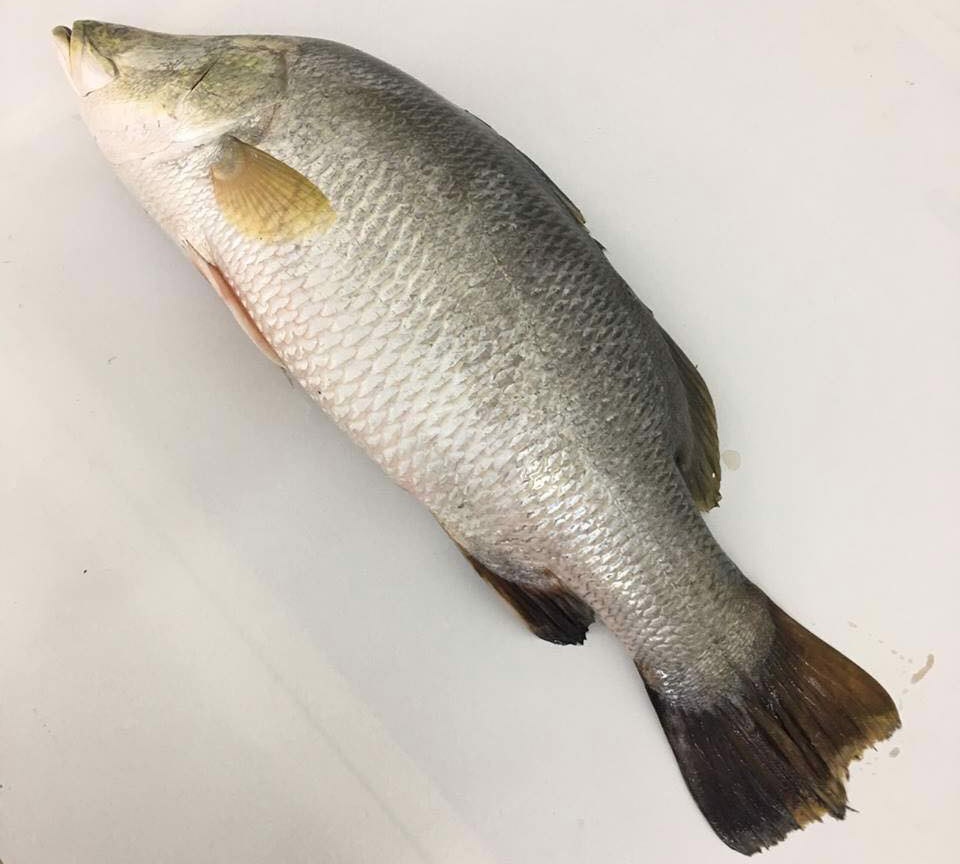
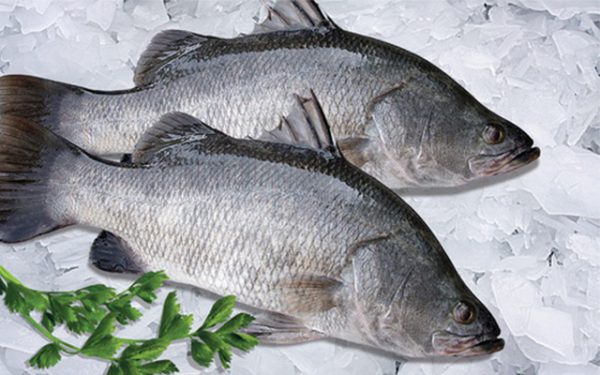
Sea bass is highly regarded for its white, firm flesh, natural sweetness, and minimal small bones. Frozen sea bass ensures a stable year-round supply while maintaining quality during long-distance transportation.
Exporting frozen sea bass to Japan not only offers revenue growth opportunities but also elevates the brand image for Vietnamese businesses.
Why is Frozen Sea Bass Suitable for the Japanese Market?
Meets Cold Chain Requirements
Japan requires strict temperature control throughout the transportation process. Frozen sea bass helps maintain meat structure and long-lasting freshness, aligning with import standards.
Supply Stability
Frozen sea bass can be stored longer than fresh fish, allowing Japanese importers to proactively plan their business and distribution.
Versatile for Various Cooking Methods
Frozen sea bass can be used for sashimi, grilling, steaming, frying, or industrial processing, catering to diverse needs from high-end restaurants to retail chains.
Contact us: 0938 925 489
Standards for Exporting Frozen Sea Bass to Japan
Antibiotic Residue Control
Japan has very low limits for antibiotic and heavy metal residues. Exported sea bass must undergo strict testing before customs clearance.
Transparent Traceability
The entire process of farming, harvesting, processing, and transporting sea bass must be clearly documented to meet traceability requirements.
Packaging and Labeling Standards
Packaging must be aesthetically pleasing and clearly state product information, production date, expiry date, and storage conditions according to Japanese regulations.
Contact us: 0938 925 489
Production Process for Export-Standard Frozen Sea Bass
Farm Management
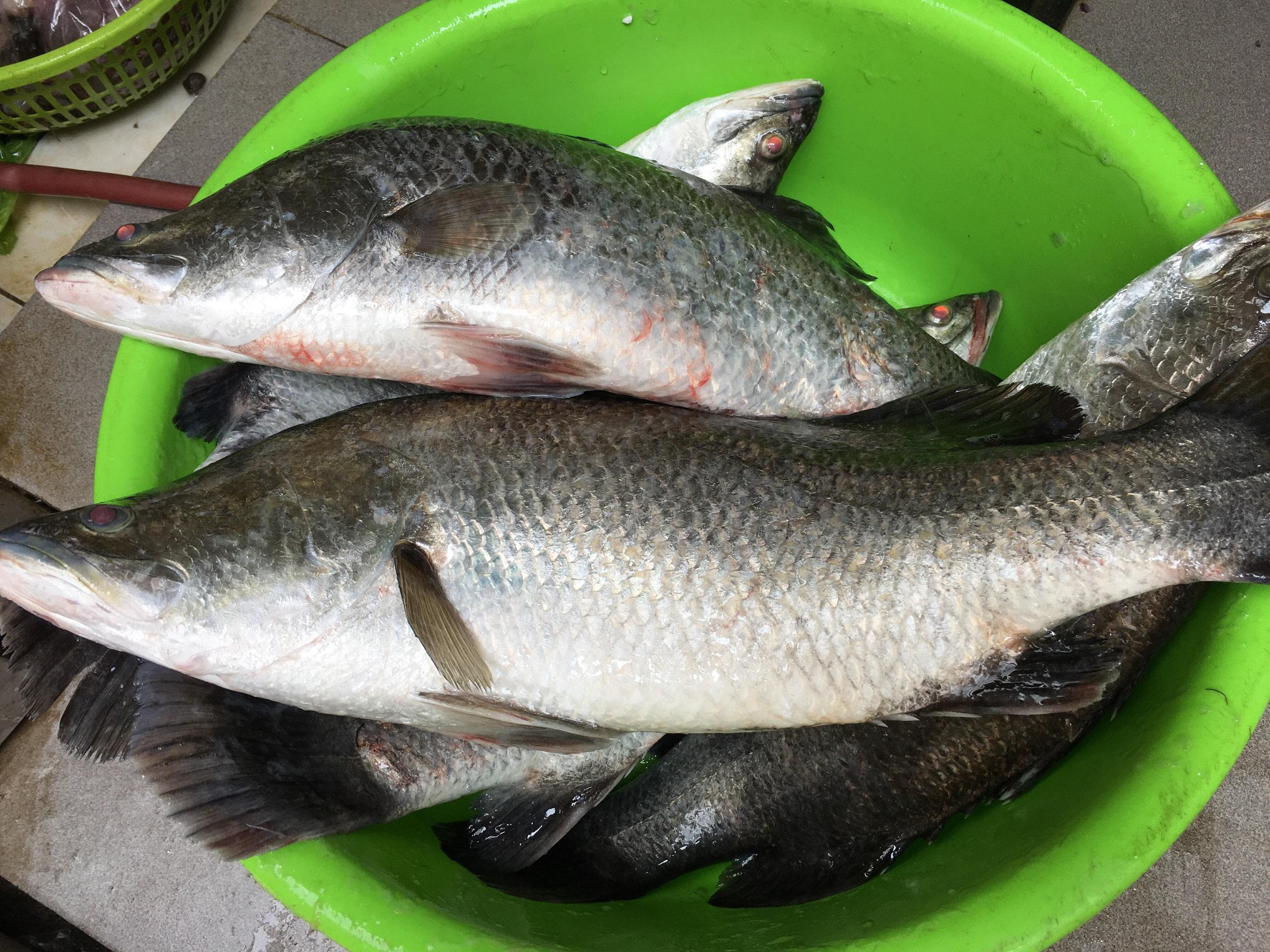
Sea bass are farmed in compliant water environments with controlled stocking densities and ensured biosecurity.
Rapid Harvesting and Processing
After harvesting, sea bass are processed immediately to minimize stress and maintain freshness.
Advanced Freezing Technology
Fast freezing technology preserves the natural texture, color, and flavor of the sea bass.
Storage and Transportation
Products are stored in compliant cold storage facilities and transported in refrigerated containers to maintain stable temperatures.
Astra Aqua – Your Partner for Frozen Sea Bass Supply to the Japanese Market
Astra Aqua is committed to sustainable development in the seafood export sector, particularly for frozen sea bass.
Astra Aqua commits to:
- Strict quality control
- Stable year-round sea bass supply
- Compliance with international food safety standards
- Full export documentation support
- Optimized cold chain and logistics
With practical experience, Astra Aqua not only supplies products but also offers market strategy consulting and builds long-term partnerships.
Contact us: 0938 925 489
Consumer Trends for Sea Bass in Japan
Clean and Safe Food
Japanese consumers are increasingly concerned about origin and production processes. International-standard frozen sea bass has a significant advantage.
Convenient Products
Frozen sea bass fillets, cut portions, or pre-packaged products suit busy lifestyles.
High-End Restaurant Segment
Many high-end restaurants in Japan choose sea bass for its meat quality and culinary versatility.
Competitive Advantages of Vietnamese Sea Bass
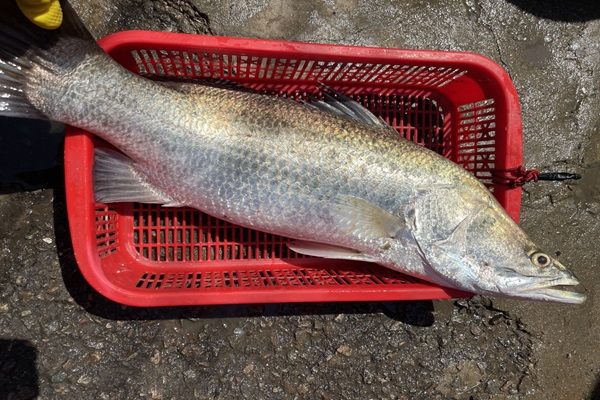
Vietnam boasts favorable natural conditions, improved aquaculture techniques, and competitive production costs. This allows Vietnamese sea bass to meet high standards at reasonable prices.
Furthermore, the bilateral trade relationship between Vietnam and Japan provides a conducive environment for exports.
Contact us: 0938 925 489
Challenges in Exporting Frozen Sea Bass to Japan
- Strict quality requirements
- Competition from other countries
- Fluctuations in shipping costs
- Technical barriers
Businesses need to invest thoroughly in quality control systems and build a reputable brand.
Marketing Strategies for Introducing Sea Bass to the Japanese Market
- Focus on quality and traceability
- Emphasize safe production processes
- Invest in packaging that suits Japanese preferences
- Collaborate with reputable distributors
- Participate in international seafood exhibitions
A well-executed marketing strategy helps sea bass establish a long-term market position.
Growth Potential Forecast
Japan remains a large and stable seafood import market. With high consumption demand and a trend towards sustainable sourcing, frozen sea bass has positive long-term growth potential.
Astra Aqua aims to expand market share through a strategy of quality, transparency, and sustainability.
Frozen sea bass for the Japanese market presents a significant opportunity but requires high standards and a long-term development strategy. Businesses must invest in quality control, optimize the supply chain, and build a professional brand.
Astra Aqua is committed to providing export-standard sea bass, ensuring food safety, stable supply, and partnering with Japanese businesses on their journey to sustainable development.
10 Frequently Asked Questions
1. What standards must frozen sea bass exported to Japan meet?
Answer: Sea bass must ensure antibiotic residues are within permissible limits, meet food safety standards, have quarantine certification, and clear traceability according to Japanese regulations.
2. Why does the Japanese market favor frozen sea bass?
Answer: Frozen sea bass helps maintain stable quality, ensures the cold chain during transport, and is suitable for various preparation methods such as sashimi, grilling, or steaming.
3. Does Astra Aqua meet the standards for exporting sea bass to Japan?
Answer: Astra Aqua strictly controls the farming, processing, and freezing process, ensuring sea bass meets export standards and provides full legal documentation as required.
4. In what forms is frozen sea bass typically exported?
Answer: Common forms include whole frozen fish, skinless fillets, skin-on fillets, cut portions, and convenience processed products.
5. What factors influence the price of frozen sea bass for export?
Answer: Prices depend on fish size, processing specifications, logistics costs, foreign exchange rates, and market demand at any given time.
6. How long does it take to transport sea bass from Vietnam to Japan?
Answer: This varies by transportation method but always ensures maintenance of standard storage temperatures to preserve sea bass quality upon arrival.
7. What should Japanese businesses prepare when importing sea bass?
Answer: They need an import license, must comply with quarantine regulations, prepare customs documentation, and ensure cold chain storage facilities.
8. How to ensure the quality of sea bass throughout the export process?
Answer: Strict control is necessary from the farm, harvesting process, rapid freezing, cold storage, and transportation in compliant refrigerated containers.
9. What are the current consumer trends for sea bass in Japan?
Answer: Japanese consumers prioritize clean food, transparent traceability, and convenient products, creating significant opportunities for high-quality frozen sea bass.
10. What is the future growth potential for frozen sea bass in Japan?
Answer: With stable seafood demand and a trend towards safe sourcing, frozen sea bass is projected to have sustainable long-term growth potential.
Contact Information for Astra Aqua
- Astra Aqua
- Address: 318 Phan Dinh Phung, Cau Kieu Ward, Ho Chi Minh City, Vietnam
- Hotline: 0938 925 489
- Email: sam.le@astraaquaco.com
- Tax Code: 0319091146
- Website: https://astraaquaco.com