

Frozen Pangasius Fillet for Japan with Astra Aqua
Consumption Demand for Frozen Pangasius Fillet in Japan
Japan is renowned as a market with extremely stringent standards for imported seafood. However, with changing consumer habits and the demand for convenient food sources, frozen pangasius fillet is gradually becoming a preferred choice, fully meeting criteria for both nutrition and absolute safety.
Contact us now: 0938 925 489
Notably in this trend, Vietnamese Pangasius has made a significant impact due to its pearly white flesh, sweet and delicate taste, and highly reasonable price. As a pioneer in the seafood supply chain, Astra Aqua is proud to deliver international standard frozen pangasius fillet shipments, confidently conquering the Japanese market.
Pangasius – The Perfect Ingredient Solution for Japanese Cuisine
Superior Characteristics of Pangasius Fillet
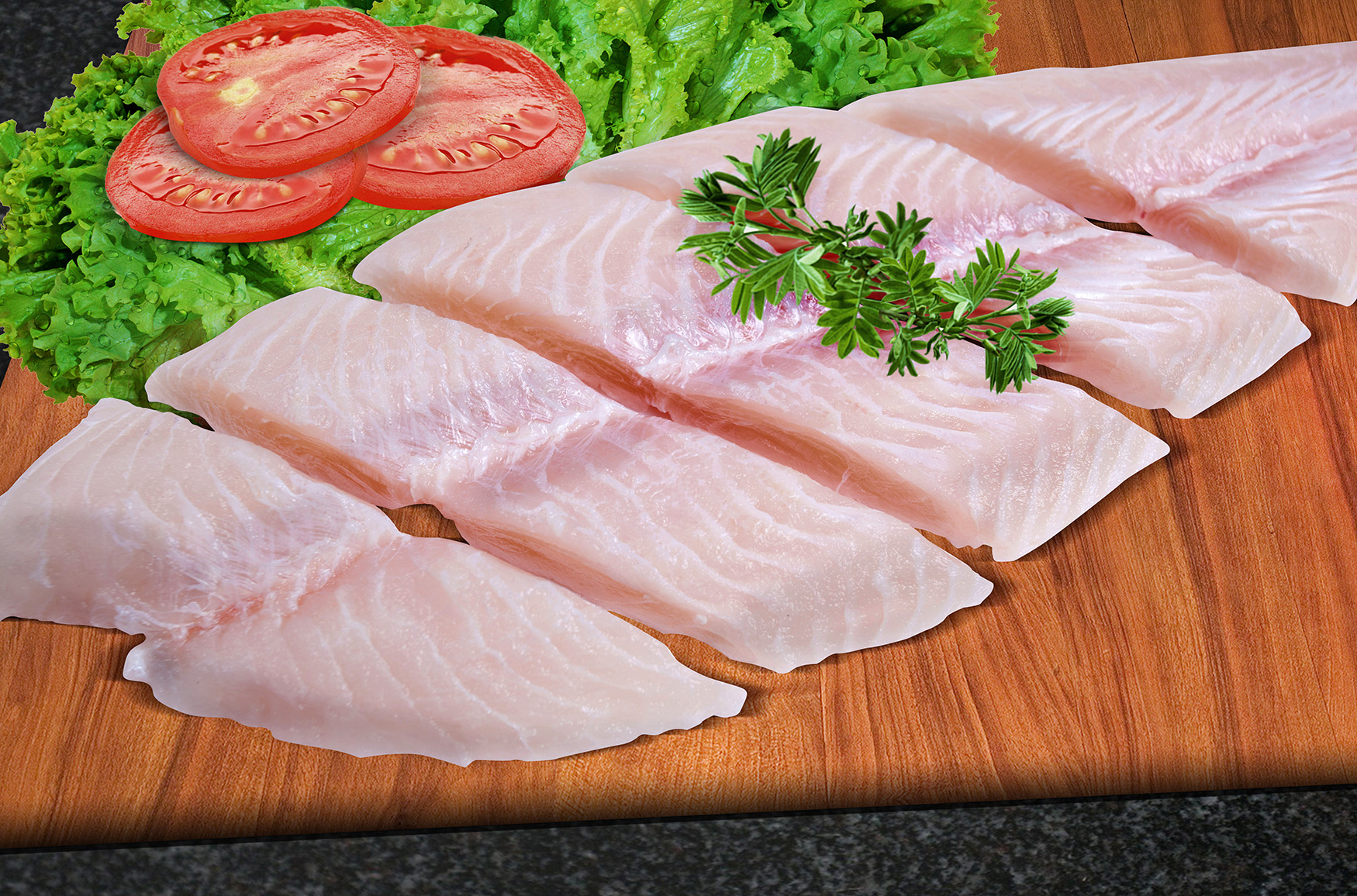
Pangasius stands out with its firm texture and absence of a strong fishy odor, making it exceptionally suitable for the Japanese culinary philosophy that emphasizes originality. With its tender texture and high protein content, this fish easily pairs with various seasonings to create rich and appealing menus.
Furthermore, the high Omega-3 content in pangasius offers excellent health benefits to consumers. The skinless and boneless frozen fillet product specifically helps Japanese restaurants, industrial kitchens, and households save significant preparation time.
Versatility in Cooking Methods
On Japanese supermarket shelves, frozen pangasius fillet is widely used for dishes like panko-crusted fried fish (Furay), pan-searing, or in delicate hot pot broths. The fish's texture holds up well when cooked, making it a perfect and cost-effective alternative ingredient.
Contact us now: 0938 925 489
Meeting Japan's Strict Pangasius Import Standards
Compliance with Technical Barriers from Japan's Ministry of Health, Labour and Welfare (MHLW)
For frozen pangasius fillet to be cleared for import, products must pass MHLW's rigorous tests for microbial limits and be completely free of antibiotic residues or banned chemicals. Consumer safety is always the top priority.
Continuous control from water sources, feed, to pond environments in Vietnam is a prerequisite. Any minor issue related to chemicals can lead to rejection of pangasius shipments, severely impacting the company's reputation.
Contact us now: 0938 925 489
Requirements for Fish Flesh Color and Glazing Specifications
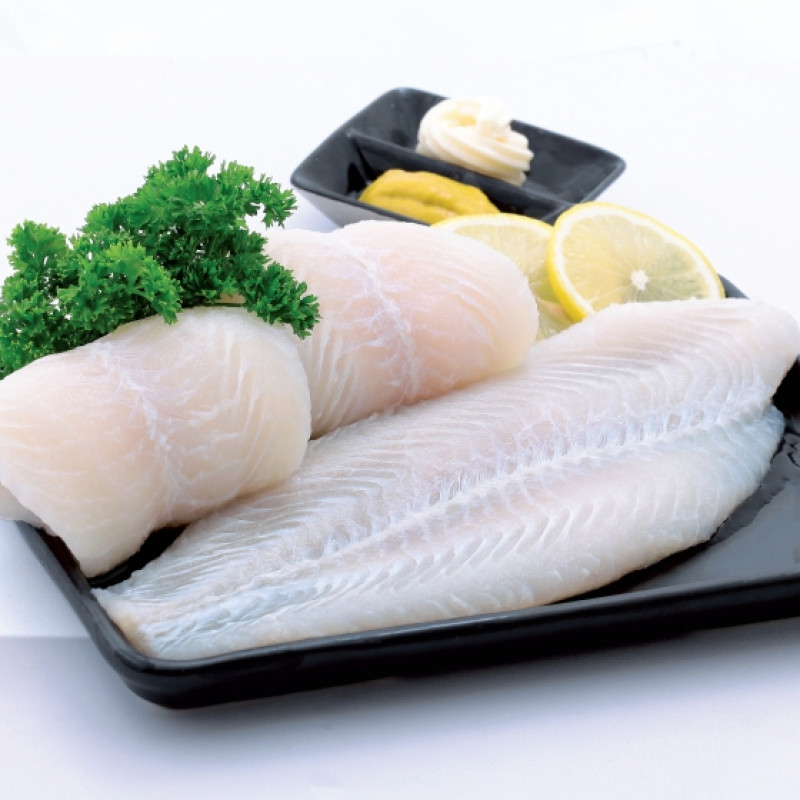
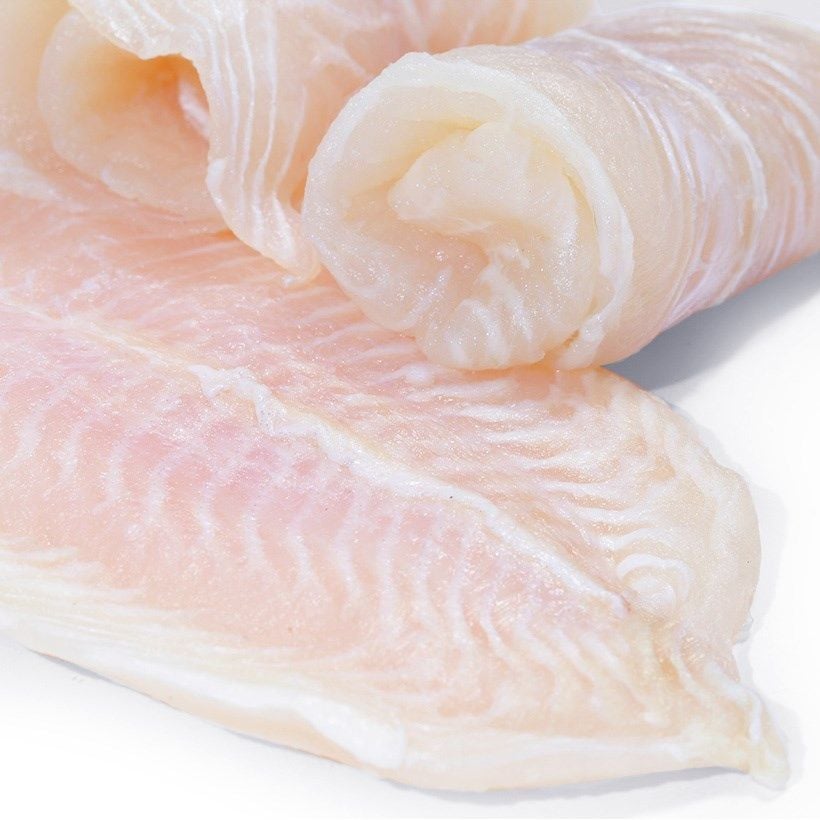
Japanese customers have a particular focus on presentation. Frozen Pangasius shipments must have a pure white flesh color (absolutely no yellow or red tinge) and the glazing percentage must be transparently declared, ensuring the accurate net weight.
Astra Aqua – Asserting the Position of Vietnamese Frozen Pangasius
Pangasius Farming Areas Meeting International Sustainability Standards
With the aspiration to make pangasius conquer the Japanese market, Astra Aqua operates farming areas certified by international standards ASC and BAP. The application of microbial technology in aquaculture ensures fish are naturally healthy and do not require antibiotics for disease prevention.
Close monitoring from stocking to harvest ensures each batch of pangasius consistently meets standard sizes, has thick, bright white flesh, and optimal nutritional content before being processed.
Closed-Loop, Safe Pangasius Fillet Processing System
All stages of frozen pangasius fillet shaping are conducted in a low-temperature environment by skilled workers. The factory operates under ISO 22000 and HACCP standards to completely eliminate risks of microbial cross-contamination.
Japanese Standard Frozen Pangasius Fillet Production Process
Bleeding Technique to Maintain Original White Color
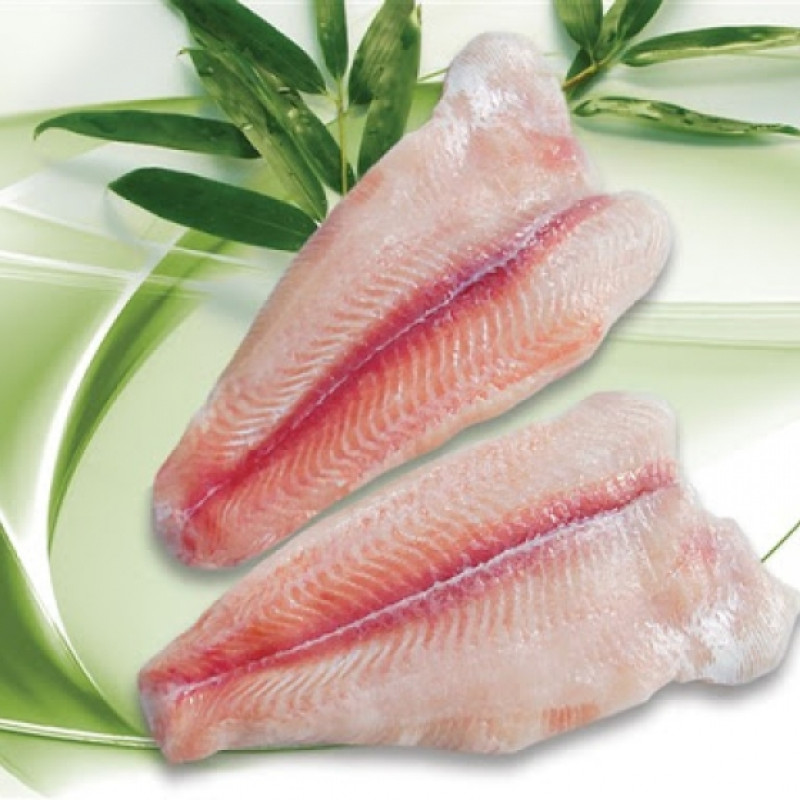
The bleeding of pangasius must be performed decisively and quickly immediately upon harvest. This technique is crucial for completely removing blood clots, ensuring the fillet achieves a perfect white color, meeting the strict preferences of Japanese partners.
Contact us now: 0938 925 489
IQF Freezing Technology to Preserve Freshness and Flavor
The application of Individual Quick Freezing (IQF) technology ensures each pangasius fillet is rapidly chilled to deep freezing temperatures. This method locks in nutrients and moisture within the meat cells, helping the fish retain its natural chewiness and sweetness after thawing.
Professional and Clear Packaging Specifications
Each bag of frozen pangasius fillet is vacuum-sealed and labeled in Japanese with detailed information on origin, expiry date, and net weight after thawing, strictly complying with Japanese food labeling regulations.
Popular Frozen Pangasius Products
Skinless, Boneless Frozen Pangasius Fillet
This refined fillet product accounts for the largest export volume due to its exceptional convenience. Japanese chefs can use it immediately for premium bento boxes or sell it directly at the frozen food counter.
Frozen Cut Pangasius Fillet – Authentic Family Style
Uniformly cut pangasius pieces, retaining soft bones in the middle, are the perfect choice for cooking soups, stews, or rich braised dishes, bringing a cozy flavor to traditional Japanese meals.
Convenient Breaded Pangasius (Value Added)
To meet the fast-paced modern lifestyle, breaded and fried pangasius fillet products have emerged, helping homemakers save time in the kitchen. This is a product with soaring sales in Japanese supermarkets.
Contact us now: 0938 925 489
Ensuring Legal Customs Clearance for Seafood in Japan
All our frozen pangasius fillet shipments are independently inspected and issued with valid Health Certificates, ensuring a swift, transparent, and smooth customs clearance process in Japan.
Why Do Japanese Businesses Choose Astra Aqua Pangasius?
For Japanese people, reputation is the foremost measure. Astra Aqua consistently upholds its commitment to delivery schedules, maintaining stability in the whiteness, glazing ratio, and pangasius fillet size in every export shipment.
We are always attentive and ready to customize cutting or packaging specifications according to the unique requirements of each partner, providing a strong competitive advantage for our clients in the Japanese domestic distribution market.
Optimized, Professional Cold Chain Logistics Supply
With extensive export experience, we operate direct refrigerated container transport routes from Vietnam to major Japanese seaports. The storage temperature for frozen pangasius is always strictly maintained at -18°C throughout the journey.
Towards a Future of Sustainable Development with Pangasius
Astra Aqua not only provides food but also spreads sustainable ecological values. We strive to make Vietnamese pangasius fillet products a source of pride on the international agricultural map, especially in demanding markets like Japan.
10 Frequently Asked Questions About Exporting Pangasius to Japan
1. Do Japanese people prefer eating frozen pangasius?
Answer: Yes. With the trend of seeking convenient and safe food, Pangasius fillet is being consumed heavily in Japan due to its tender texture, mild flavor that is easy to marinate, and high nutritional value.
2. What are the color standards for pangasius fillet exported to Japan?
Answer: The Japanese market requires pangasius fillets to have a uniform bright white color, absolutely no yellow or reddish tinges, and a smooth cut surface without visible blood vessels.
3. What documents are required for exporting frozen pangasius to Japan?
Answer: Customs clearance documents must include a Health Certificate, C/O, Packing List, and test results for microbials and antibiotics that satisfy MHLW standards.
4. What is the glazing percentage for pangasius exported to Japan?
Answer: The common glazing percentage is typically between 10% and 20%. The most important point is that the actual Net Weight must perfectly match the information printed on the packaging.
5. Does frozen pangasius packaging need to be printed in Japanese?
Answer: Definitely. Pangasius products sold individually or in Japanese supermarkets are required to have a Japanese-language sub-label, strictly adhering to the country's food labeling laws.
6. Does Japan have strict antibiotic checks on pangasius?
Answer: Extremely strict. Japanese quarantine authorities apply a 0% tolerance for many banned antibiotics. Pangasius found to contain antibiotics will be confiscated and destroyed at the port.
7. What certifications does Astra Aqua have for exporting pangasius to Japan?
Answer: Our processing facility is certified HACCP, ISO 22000, BRC, combined with closed-loop pangasius farming areas meeting global ecological standards (ASC).
8. Do value-added breaded pangasius products have potential in Japan?
Answer: Very high potential. Pre-breaded and fried pangasius fillet meets the demands of a fast-paced lifestyle and is highly sought after by convenience store chains and young families in Japan.
9. How long does it take to transport frozen pangasius to Japan?
Answer: The sea freight transit time by refrigerated container from Vietnamese ports to major Japanese ports (Tokyo, Osaka, etc.) typically takes about 7 to 10 days.
10. Does the company offer OEM packaging services for pangasius?
Answer: Yes, we specialize in providing frozen pangasius fillet packaging services under the private label and brand of Japanese importers, supporting them in expanding their market share.
Contact Information Astra Aqua
- Astra Aqua
- Address: 318 Phan Dinh Phung, Cau Kieu Ward, Ho Chi Minh City, Vietnam
- Hotline: 0938 925 489
- Email: sam.le@astraaquaco.com
- Website: https://astraaquaco.com
- Tax Code: 0319091146
Vietnamese frozen Pangasius is increasingly solidifying its strong position in Asia's leading seafood consumption powerhouse. With precise quality control processes, Astra Aqua is confident in being a strategic partner providing safe and delicious pangasius fillet for the Japanese market.