

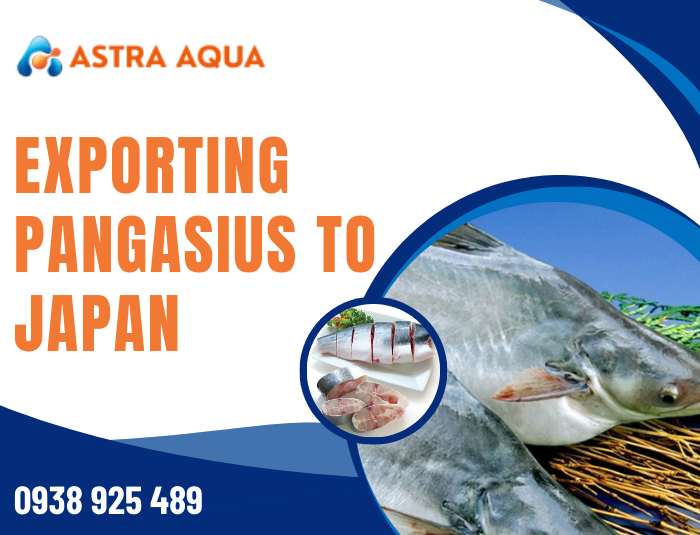
Exporting Pangasius to Japan – Expanding Seafood Markets with Astra Aqua
Overview of White Fish Export Potential to Japan
Japan is a world-leading consumer of seafood with stringent standards for quality and safety. Amidst declining domestic seafood supply, Japanese consumers are becoming more open to imported white fish, provided they meet nutritional and food safety requirements.
Contact us now: 0938 925 489
Among these, Vietnamese Pangasius is increasingly favored for its delicious flavor, pristine white flesh, and highly competitive price. Playing a crucial role in bringing this product to the Land of the Rising Sun, Astra Aqua continuously enhances its production processes to meet international standards.
Pangasius – The Perfect Choice for Japan's Refined Culinary Scene
Outstanding Characteristics of White Fish Fillets
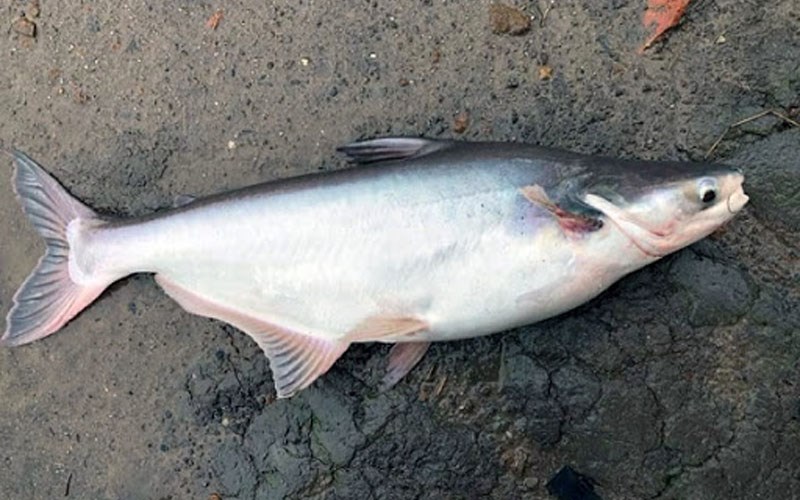
Pangasius (Pangasius) has a mild, non-fishy flavor, perfectly suited to the Japanese palate's preference for subtlety. The fish's tender, smooth flesh, rich in protein, easily absorbs seasonings, making it an ideal ingredient for various culinary creations.
Its abundant content of Omega-3 and essential nutrients effectively meets the demand for health-promoting foods in Japan. Boneless, skinless pangasius fillet products are particularly sought after by homemakers and industrial catering services.
Versatile Applications in Traditional Dishes
In Japanese supermarkets, white fish is versatilely used for dishes like breaded cutlets (Furay), salt-grilled, or in traditional hot pot soups. Its ability to retain a firm, delicious texture when cooked makes it an easy substitute for more expensive local fish varieties.
Contact us now: 0938 925 489
Stringent Inspection Standards for Seafood Imported into Japan
Strict Regulations on Food Safety and Hygiene (MHLW)
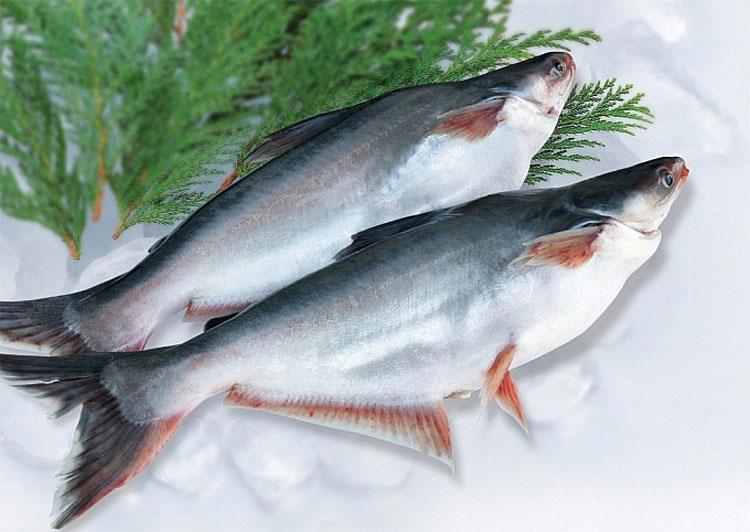
Japan's Ministry of Health, Labour and Welfare (MHLW) enforces rigorous laws on chemical residues, antibiotics, and pesticides. Every batch of fish fillet arriving at the port undergoes strict testing to ensure absolute consumer safety.
Control over pond environments, feed quality, and water sources in Vietnam is paramount. Any presence of banned chemicals will lead to the consignment being suspended, destroyed, or returned, causing significant losses to the exporting brand.
Contact us now: 0938 925 489
Requirements for Freshness and Processing Standards
Japanese consumers are highly sensitive to the taste and appearance of seafood. Exported Pangasius must achieve a perfect white color (not pinkish or yellowish), glazing rates must be clearly declared, and weight manipulation is not permitted.
Astra Aqua – Elevating Vietnamese White Fish Quality on the Global Stage
Sustainable Ecological Aquaculture Systems
To cater to Asia's most discerning market, Astra Aqua adheres to international aquaculture standards such as ASC and BAP. The use of biological products to completely replace antibiotics ensures a disease-free and environmentally friendly source of raw material.
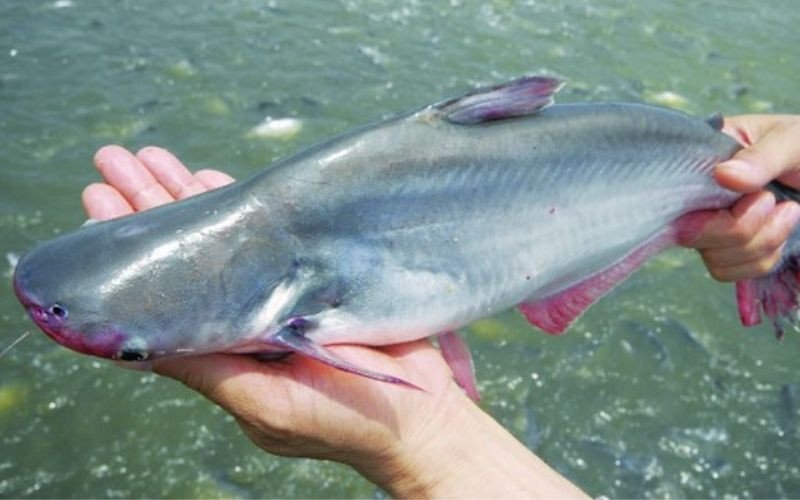
We closely monitor every stage from fry selection to harvest, ensuring each fish thrives in the optimal growth conditions, yielding firm flesh rich in nutritional value.
Modern, Sterile Filleting Technology
The fish filleting process is carried out by skilled workers in a strictly temperature-controlled factory environment. HACCP and ISO 22000 systems are meticulously followed to prevent any risk of microbial contamination.
Japanese Standard Processing and Packaging Procedures
Blood Removal and Natural Fish Whitening Techniques
The blood draining process must be swift and thorough immediately after harvest. This helps the fish flesh retain its characteristic pure white color, precisely meeting the high aesthetic preferences of Japanese importers.
Contact us now: 0938 925 489
IQF Freezing Preserves Original Flavor
By employing IQF (Individual Quick Freezing) technology, each piece of fish is frozen independently at extremely low temperatures, locking in moisture and nutrients. Upon thawing, the fish remains firm and delicious without becoming mushy.
Convenient Packaging with Transparent Information
Products are vacuum-sealed and labeled in Japanese with complete information on ingredients, production date, expiry date, and glazing percentage, fully complying with the country's labeling laws.
Key Export Fish Product Lines
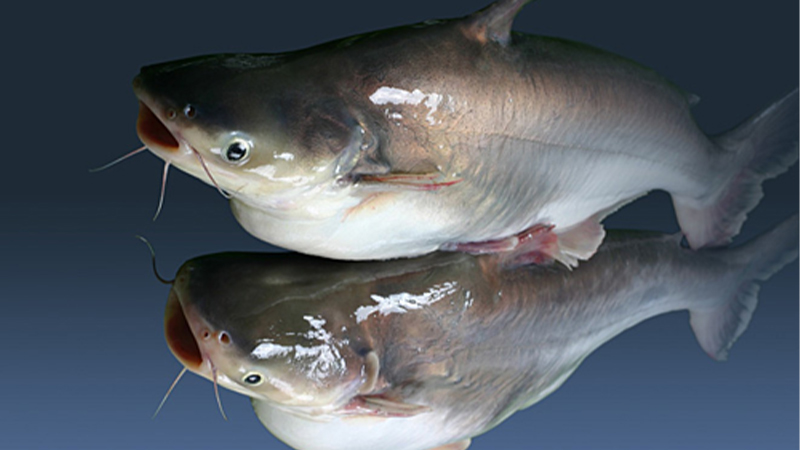
Premium Skinless, Boneless Fillets
This is our best-selling product line, offering maximum convenience for Japanese chefs preparing bento boxes or dishes for retail supermarket chains.
Frozen Fish Steaks
Uniformly cut into steaks, retaining the backbone, these are ideal for braising, stewing, or traditional soup dishes, adding variety to family meals.
Ready-to-Cook Breaded Fish (Value Added)
Keeping pace with the fast-consumption trend, pre-breaded fish products are ready for frying, saving cooking time and are very popular among young Japanese consumers.
Contact us now: 0938 925 489
Meeting All Technical Barriers of the Japanese Market
With our superior production capacity, our shipments are always accompanied by a full Health Certificate, ensuring smooth customs clearance without any legal obstacles at Japanese ports.
Why Japanese Partners Choose Astra Aqua?
Trust is paramount for Japanese people. Astra Aqua prides itself on its professional work ethic, on-time delivery, and consistent product quality maintained over many years of cooperation with major distributors.
Our understanding of business culture and a proactive attitude enable us to easily accommodate specification adjustments from partners, offering maximum flexibility in the supply chain.
Safe and Efficient Cold Logistics Solutions
We have established a professional refrigerated container transport network from Vietnam to major Japanese ports like Tokyo, Yokohama, and Osaka, ensuring goods are consistently stored at -18°C throughout the journey.
Sustainable Development with Vietnam's Aquaculture Industry
Astra Aqua is committed to promoting responsible aquaculture practices, minimizing environmental impact, and helping Vietnamese white fish brands expand and solidify their position in Northeast Asia.
10 Frequently Asked Questions About Exporting Fish to Japan
1. Does Japan consume Pangasius?
Answer: Yes. Despite being a nation that favors marine seafood, Japan increasingly consumes Pangasius due to its high nutritional value, tender flesh, and versatility in convenient dishes.
2. What is the standard for fillet color for fish exported to Japan?
Answer: The Japanese market requires fish flesh to be a natural bright white, not pinkish or yellow, with a smooth fillet surface free from blood clots.
3. What documents are required for shipments to Japan?
Answer: A Health Certificate, Certificate of Origin (C/O), Packing List, and microbial and antibiotic test results compliant with MHLW standards are mandatory.
4. What is the typical glazing percentage for the Japanese market?
Answer: Glazing typically ranges from 10% to 20% depending on customer requirements, but the net weight on the packaging must be truthfully declared.
5. Is Japanese language printing mandatory on pangasius fillet packaging?
Answer: Yes. For direct distribution into supermarkets, packaging and supplementary labels must be printed in Japanese, strictly adhering to Japan's food labeling laws.
6. Are fish exported to Japan tested for antibiotic residues?
Answer: Testing is extremely rigorous. Japanese authorities apply zero tolerance for many banned antibiotics; violating shipments will be immediately destroyed.
7. What certifications does Astra Aqua hold for export to Japan?
Answer: We operate international-standard factories with reputable certifications such as HACCP, BRC, ISO 22000, and ASC-certified ecological farms.
8. Are value-added breaded products popular?
Answer: Highly popular. Pre-breaded products cater well to convenience stores, supermarkets, and young Japanese consumers due to their high convenience.
9. How long is the sea transit time from Vietnam to Japan?
Answer: Refrigerated container transit time from Vietnamese ports to major Japanese ports typically takes about 7 to 10 days, depending on the ship's schedule.
10. Does the company offer private labeling (OEM) for Japanese clients?
Answer: Yes, we support packaging according to partners' designs and private labels, helping them easily develop retail market share domestically.
Contact Information for Astra Aqua
- Astra Aqua
- Address: 318 Phan Dinh Phung, Cau Kieu Ward, Ho Chi Minh City, Vietnam
- Hotline: 0938 925 489
- Email: sam.le@astraaquaco.com
- Website: https://astraquaco.com
- Tax Code: 0319091146
Vietnamese Pangasius is progressively proving its superior quality in the demanding Japanese market. With dedicated investment and commitment, Astra Aqua ensures the supply of safe, authentic frozen seafood ingredients, fully meeting the expectations of international partners.