

Exporting Barramundi to Japan – A Sustainable Growth Opportunity for Vietnamese Businesses with Astra Aqua
In the context of constantly fluctuating global seafood trade, exporting Barramundi to Japan is becoming a strategic direction for many Vietnamese businesses. Japan is a market with high standards, demanding strict requirements for quality, traceability, and food safety. However, if these conditions are met, the commercial value and growth potential are extremely attractive.
The following article provides a comprehensive analysis of the market, import standards, opportunities, challenges, and development strategies for exporting Barramundi to Japan, while also introducing the supply capabilities of Astra Aqua – a unit specializing in providing high-quality seafood for the international market.

Contact us now: 0938 925 489
Overview of the Barramundi Market in Japan
Japan is one of the largest seafood consumers in the world. Seafood is not only food but also an integral part of its long-standing culinary culture. Japanese consumers pay particular attention to the freshness, meat quality, color, and safety of products.
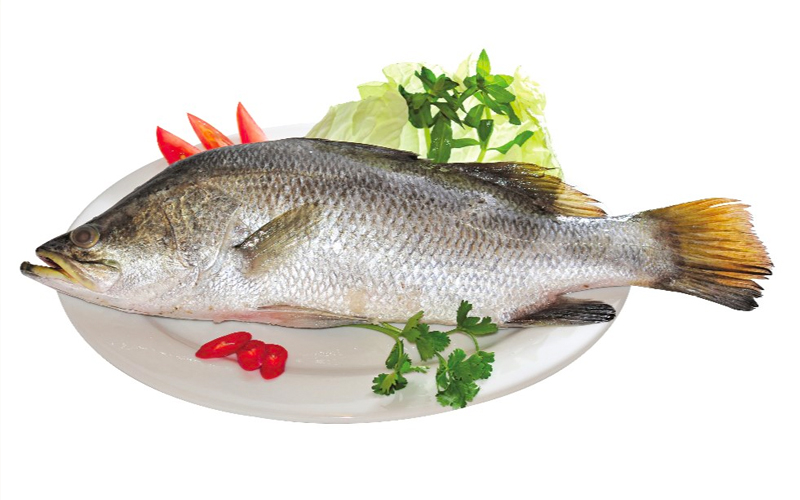
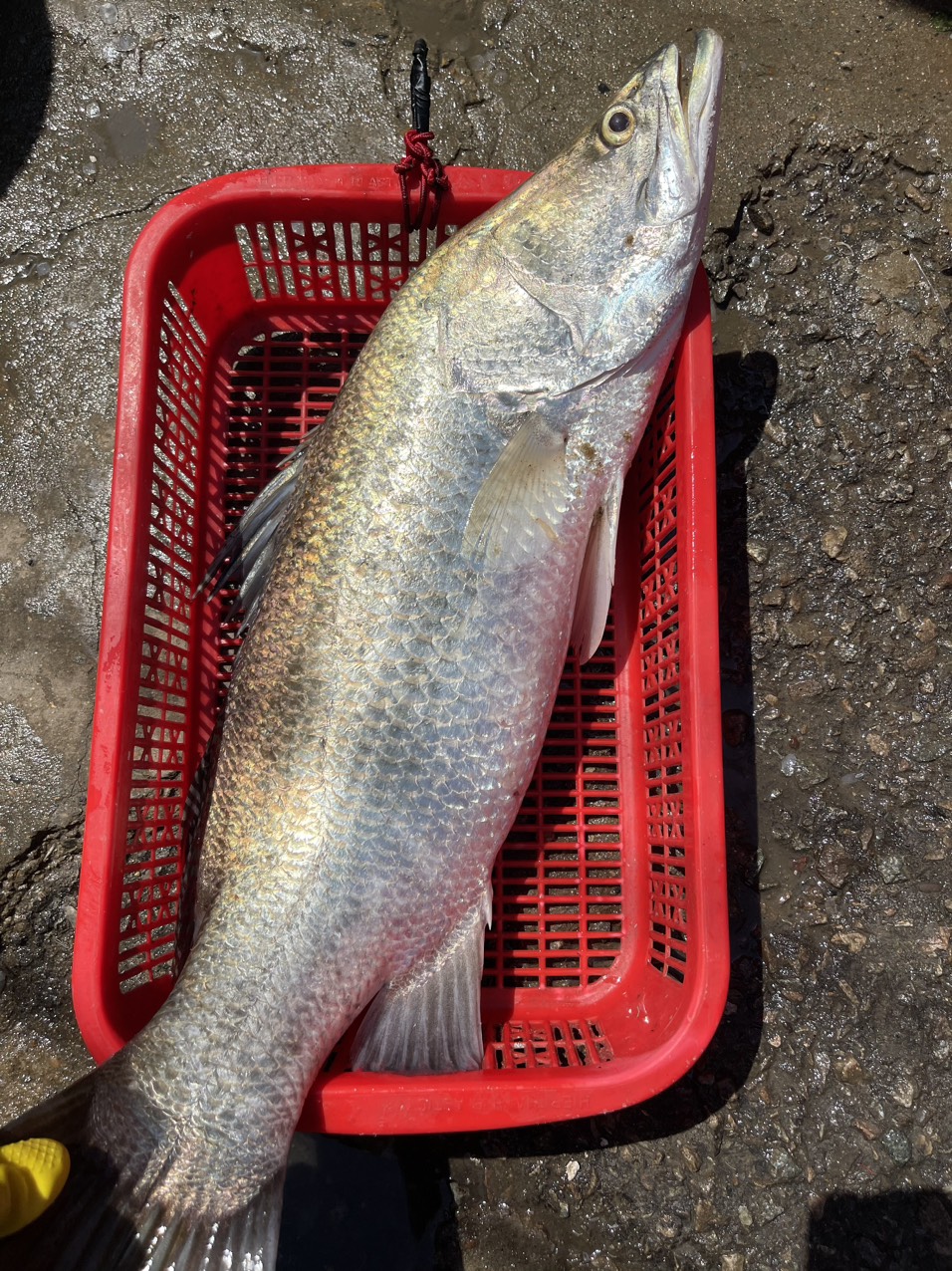
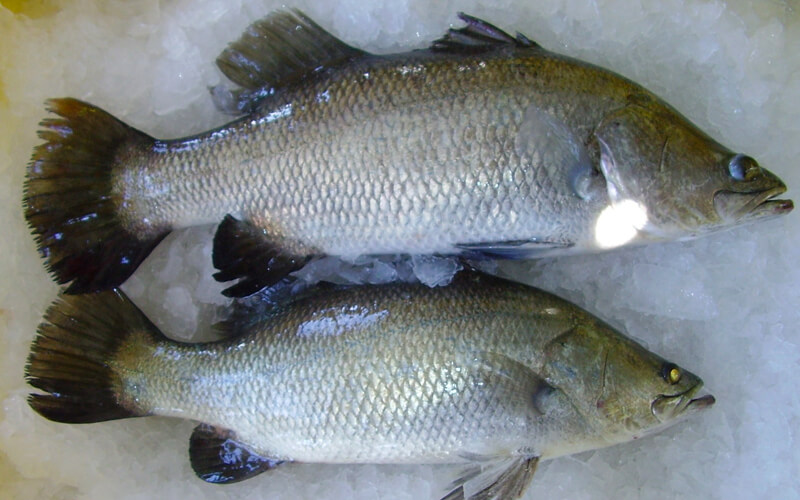
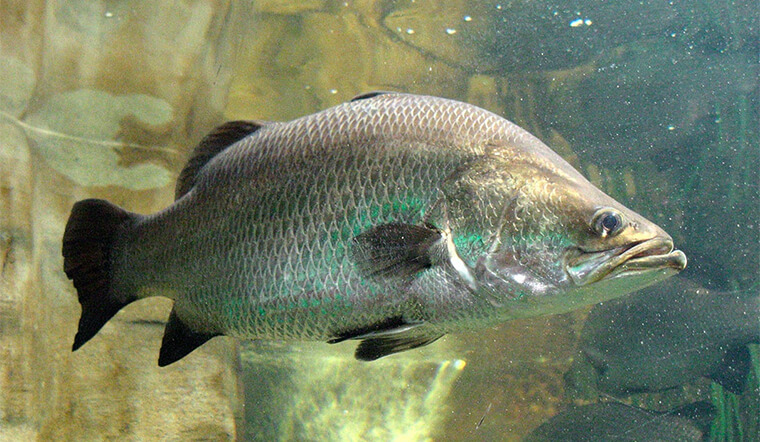
Barramundi, also known as seabass, is increasingly popular in Japan due to its white flesh, mild sweetness, few fine bones, and suitability for various cooking methods such as sashimi, salt-grilled, steamed, or deep-fried. This creates significant opportunities for Barramundi exports from Vietnam.
Why Does Vietnamese Barramundi Have Potential in Japan?
Favorable Natural Conditions
Vietnam boasts a long coastline and abundant brackish water areas, suitable for industrial-scale Barramundi farming. This ensures a stable supply of Barramundi year-round.
Increasingly Modern Aquaculture Techniques
Barramundi farming models apply strict control processes for water environment, feed, and disease prevention. This helps enhance meat quality and meet export standards.
Advantages from Trade Agreements
Vietnam and Japan have close trade relations and numerous free trade agreements that optimize tariffs and facilitate Barramundi exports.
Contact us now: 0938 925 489
Standards for Exporting Barramundi to Japan
Strict Food Safety
Japan requires stringent control of antibiotic residues, heavy metals, and microorganisms at very low levels. Exported Barramundi must be thoroughly tested before customs clearance.
Clear Traceability
The entire process from farming, harvesting, processing, and transportation must be transparently recorded. This is a crucial factor for Barramundi products to be accepted in the Japanese market.
Standardized Packaging and Labeling
Product information must clearly state origin, production date, expiry date, and storage conditions. Packaging must be aesthetically pleasing and comply with the standards of Japanese retail systems.
Contact us now: 0938 925 489
Barramundi Export Process to Japan
Control from the Farming Area
Barramundi are farmed in standard environments, ensuring appropriate stocking densities and effective disease control.
Harvesting and Post-Harvest Handling
After harvesting, Barramundi are quickly processed to maintain freshness, minimize stress, and ensure meat quality.
Processing and Freezing
Modern freezing technology helps preserve the texture, color, and natural flavor of Barramundi.
Inspection and Document Completion
Export documentation includes phytosanitary certificates, quality certificates, and commercial papers according to Japanese regulations.
Common Barramundi Product Forms for Export
- Frozen whole Barramundi
- Skinless Barramundi fillets
- Skin-on Barramundi fillets
- Barramundi portions
- Ready-to-cook processed products
Product diversification helps increase added value and expand customer segments in Japan.
Contact us now: 0938 925 489
Barramundi Consumption Trends in Japan
Increasing Demand for Clean Food
Japanese consumers increasingly prioritize products with safety certifications and clear traceability.
Rise of Convenient Foods
Barramundi fillets or pre-portioned cuts are popular due to their convenience and suitability for busy lifestyles.
High-End Restaurants and Hotels
The high-end restaurant segment values Barramundi for its quality meat and versatility in preparation.
Challenges in Exporting Barramundi to Japan
- Strict quality requirements
- Competition from other countries
- Currency exchange rate fluctuations
- Logistics and cold chain costs
To overcome these challenges, businesses need to invest strategically in quality and build long-term brands.
Contact us now: 0938 925 489
Astra Aqua – A Strategic Partner in Barramundi Exports
Astra Aqua aims to be a reputable Barramundi supplier for the Japanese market through:
- Strict quality control
- Export-standard production processes
- Stable year-round supply
- Full legal documentation support
- Optimized transportation and cold chain
Astra Aqua not only supplies Barramundi but also partners with clients in their sustainable development strategies.
Marketing Strategies for Barramundi Exports to Japan
- Build a clear brand identity
- Emphasize safety and traceability
- Invest in packaging that suits Japanese preferences
- Collaborate with reputable local distributors
- Participate in international seafood exhibitions
A well-executed marketing strategy enhances the value of Barramundi and creates a competitive advantage.
Growth Potential Forecast
Japan remains a key market for Vietnamese seafood. With stable consumption demand and the trend of seeking alternative supply sources, Barramundi has strong growth potential if high standards are met.
Vietnamese businesses, especially Astra Aqua, have the opportunity to expand market share through strategies focused on quality, transparency, and sustainability.
Exporting Barramundi to Japan presents a significant opportunity but requires thorough preparation in terms of quality, processes, and market strategy. Businesses must focus on international standards, optimize the supply chain, and build long-term partnerships.
Astra Aqua is committed to providing export-standard Barramundi, ensuring food safety, stable supply, and partnering with Japanese clients on their sustainable development journey.
10 Frequently Asked Questions
1. What standards must Barramundi exported to Japan meet?
Answer: Barramundi must ensure food safety, with antibiotic residues within permissible limits, have a phytosanitary certificate, clear traceability, and comply with Japan's import regulations.
2. What forms of Barramundi products are preferred in Japan?
Answer: The Japanese market prefers Barramundi fillets, frozen whole fish, portioned fish, and convenient products suitable for sashimi, grilling, or steaming.
3. What factors influence the export price of Barramundi to Japan?
Answer: Prices depend on size, meat quality, processing specifications, shipping costs, foreign exchange rates, and market demand at any given time.
4. Why partner with Astra Aqua for Barramundi exports?
Answer: Astra Aqua has strict quality control processes, a stable Barramundi supply, comprehensive legal documentation support, and optimized cold chain logistics for shipping to Japan.
5. How long does it take to ship Barramundi from Vietnam to Japan?
Answer: Shipping time varies depending on sea or air freight, but always ensures maintenance of standard temperatures to preserve product quality.
6. What documents does a business need to prepare for Barramundi export to Japan?
Answer: A commercial contract, invoice, bill of lading, phytosanitary certificate, certificate of origin, and other documents required by Japanese customs authorities are needed.
7. Are there different requirements for exporting fresh vs. frozen Barramundi?
Answer: Yes. Fresh Barramundi requires faster shipping times and more stringent temperature control, while frozen Barramundi needs to meet freezing and long-term storage standards.
8. What are the current Barramundi consumption trends in Japan?
Answer: Japanese consumers prioritize clean food, transparent traceability, and convenient products, creating opportunities for high-quality Barramundi from Vietnam.
9. How to maintain Barramundi quality during export?
Answer: Control must be maintained from the farming area, harvesting, processing, freezing, and transportation according to international cold chain standards.
10. What is the future growth potential for Barramundi in Japan?
Answer: With stable seafood consumption and a trend towards seeking high-quality suppliers, Barramundi is assessed to have positive growth potential in the Japanese market.
Contact information for Astra Aqua
- Astra Aqua
- Address: 318 Phan Dinh Phung, Cau Kieu Ward, Ho Chi Minh City, Vietnam
- Hotline: 0938 925 489
- Email: sam.le@astraaquaco.com
- Tax Code: 0319091146
- Website: https://astraaquaco.com