

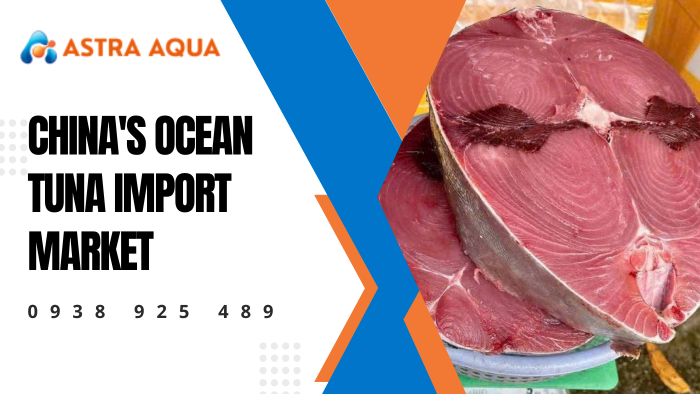
China's Ocean Tuna Import Market
Scale and Growth Rate of the Ocean Tuna Import Market
In the global seafood trade landscape, China's ocean tuna import market is emerging as a colossal 'powerhouse' with immeasurable purchasing power. The robust rise of the billion-person economy, coupled with the rapid expansion of the middle class, has completely transformed food consumption patterns. Chinese consumers are shifting from traditional red meats (pork, beef) towards premium, nutritious, low-cholesterol seafood, particularly those rich in Omega-3 fatty acids. This pivotal shift has ushered in a golden era for seafood exporting nations, turning China into a 'magnet' attracting high-quality supply resources worldwide.
For market researchers and strategic distribution corporations, a deep understanding of the characteristics of the ocean tuna import market in mainland China is paramount to building a competitive advantage. Customers are not just buying a slice of fish; they are purchasing a refined culinary experience and peace of mind regarding their health. Astra Aqua, as a leading seafood supplier, closely monitors every fluctuation in this market. We continuously analyze consumer data to adjust production volumes and optimize supply chains, thereby facilitating the entry of premium yellowfin tuna into bustling commercial centers in Beijing, Shanghai, Shenzhen, and Guangzhou.
Contact Us Now: 0938 925 489
Customer Segments and Consumption Trends of Ocean Tuna in China
The Rise of Young and Modern Consumers
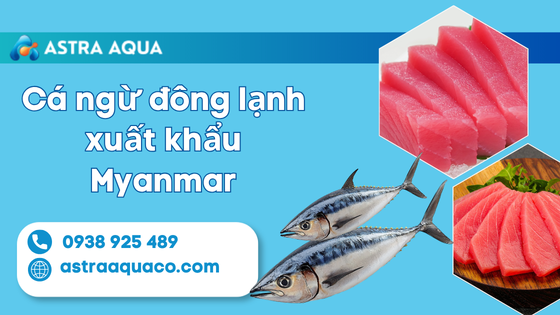
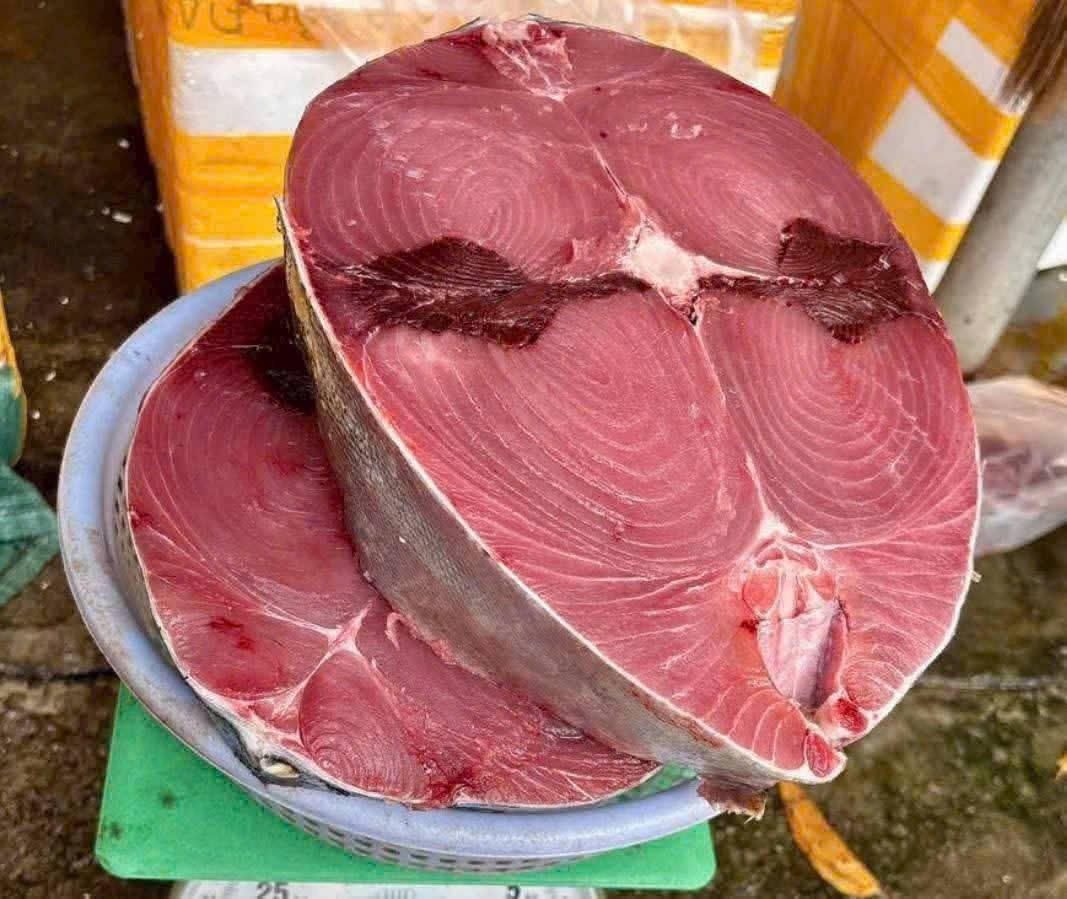
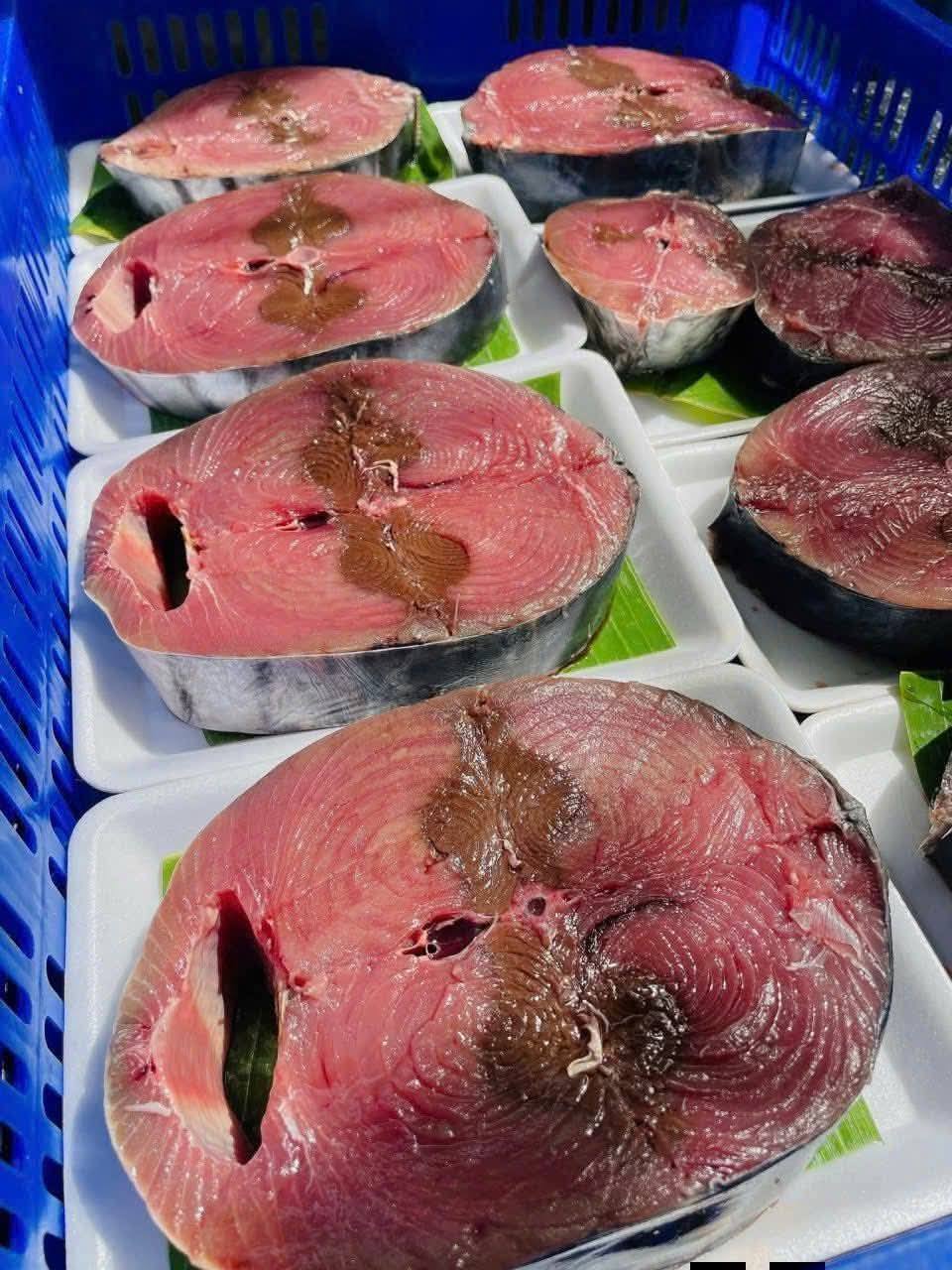
The primary driving force behind the surge in China's ocean tuna consumption market is the Millennial and Gen Z generation. This demographic possesses high disposable income, open-minded attitudes, and a readiness to embrace foreign culinary cultures like Japanese Sashimi and Sushi, or Western Poke bowls. They are extremely visual, demanding ocean tuna slices with a vibrant ruby-red hue, a firm texture, and the purest flavor.
The diversity in culinary culture has segmented the Chinese market into various distinct application niches for ocean tuna:
- Japanese Fine-Dining and Omakase Restaurants: Dominating the premium segment, these establishments have stringent requirements for the origin and freshness of ocean tuna.
- Traditional Seafood Hotpot Restaurants: These are increasingly incorporating thinly sliced ocean tuna for hotpot dipping, creating a unique culinary fusion.
- Retail Segment in O2O (Online-to-Offline) Supermarket Chains like Alibaba's Hema Fresh: Focusing on convenient Saku-cut ocean tuna packs for family meals.
- High-End Corporate Gifting: Utilizing deep-frozen whole ocean tuna blocks as luxurious gifts during festive seasons.
Health-Conscious and Transparent Consumption Culture
Following global epidemiological and food safety concerns, Chinese consumers have become increasingly discerning. They are quick to use their smartphones to scan QR codes on packaging to verify the entire lifecycle of a product. An ocean tuna shipment aiming to win the trust of mainland customers must demonstrate sustainability in its fishing methods, an unpolluted marine environment, and a completely closed cold chain supply.
- The demand for ocean tuna rich in DHA and EPA is particularly sought after by Chinese parents to supplement their children's brain development nutrition.
- A preference for fish meat with its original color, rejecting artificial color enhancers or harmful preservatives.
- High regard for transparent exporting brands with complete international health certifications and endorsements from Chinese Customs (GACC).
Contact Us Now: 0938 925 489
Astra Aqua – Your Strategic Partner for the Enormous Ocean Tuna Import Market
Astra Aqua continuously invests in R&D to keep pace with the explosive growth of China's ocean tuna market. We are keenly aware that to serve 1.4 billion people, our core competency must lie not only in quality but also in production stability and supply speed.
Synchronizing Production Systems for a Billion-Person Market
- Close collaboration with major fishing cooperatives to ensure a consistently abundant supply of raw ocean tuna, overcoming fluctuations in natural fishing grounds.
- Upgrading factory systems with large capacities, employing automation technology in the processing and cutting of ocean tuna to ensure absolute uniformity across millions of product units.
- Designing smart packaging integrated with Blockchain traceability barcodes, perfectly meeting the stringent requirements of modern retail systems in China.
- Proactively managing buffer cold storage at border crossings to ensure continuous supply into the Chinese domestic market without disruptions.
With the mindset of a global manufacturer, we are confident in becoming an indispensable link, supplying precious ocean nutrients to this vast and promising ocean tuna import market.
Contact Us Now: 0938 925 489
Distribution Map of Demand and Positioning of Ocean Tuna in Chinese Provinces and Cities
China's ocean tuna import market is not uniformly distributed but shows deep differentiation based on geography and economic development levels. Exporting businesses must grasp this 'heat map' to implement accurate distribution strategies:
- Tier 1 City Clusters (Eastern and Southern Coastal): Including Shanghai, Guangzhou, Shenzhen. This is a mature market, consuming large quantities of premium ocean tuna for high-end Sashimi. Competition here is fiercest but offers the highest returns.
- Tier 2 and Tier 3 City Clusters (Inland): Including Chengdu, Chongqing, Wuhan. Thanks to the development of cold chain logistics infrastructure via rail and road, ocean seafood consumption demand here is booming, opening up a 'Blue Ocean' market for frozen whole ocean tuna.
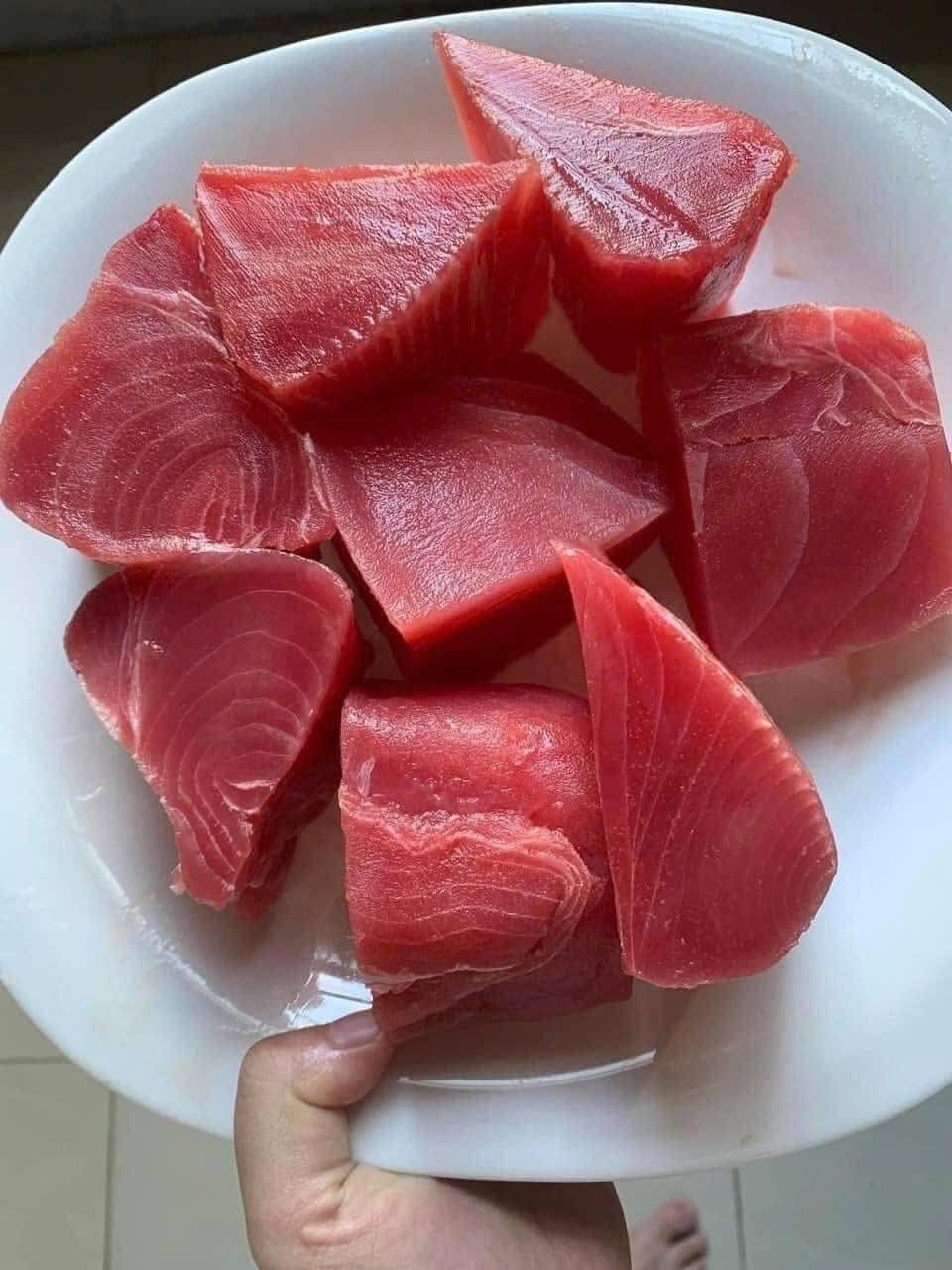
- Northern Region (Beijing, Tianjin): Consumers tend to prefer large, block-cut ocean tuna (loins) for home preparation through fresh e-commerce platforms.
Astra Aqua partners with regional general agents in China to optimize ocean tuna product lines that cater to the specific culinary preferences and purchasing power of these vast population clusters.
The Boost from Online E-commerce Platforms
The most significant change in ocean tuna distribution models in China is the rise of E-commerce and Live Streaming sales. Platforms like JD.com, Taobao Fresh, and Douyin are reaching tens of millions of users within a single broadcast. Vacuum-sealed, deep-frozen Saku-cut ocean tuna portions are being ordered continuously and delivered directly to customers' doorsteps within hours.
Contact Us Now: 0938 925 489
Competitive Landscape in the Current Ocean Tuna Import Market
The allure of the Chinese market has led to intense competition from seafood exporting nations worldwide. However, supplies from Vietnam still maintain irreplaceable strategic advantages:
- Prime Geographical Location: The transport distance from Vietnam to China is very short. This reduces logistics costs and ensures the highest quality of ocean tuna remains fresh, outperforming competitors from South America or Europe.
- Excellent Processing Capabilities: Vietnamese seafood workers' skill levels in filleting, deboning, and shaping ocean tuna into Saku blocks are highly praised by Chinese partners for their precision and low wastage rates.
- Flexibility: Vietnamese exporting companies are agile and readily customize packaging specifications and various Chinese labels to directly support the distinct marketing campaigns of individual mainland supermarkets.
By continuously enhancing quality and optimizing our core value system, Astra Aqua confidently solidifies its strong position, competing head-to-head with any international brand in this highly potential ocean tuna import market.
Strategies for Market Penetration and Maximizing the Ocean Tuna Import Market
We invite distributors, retail corporations, and major F&B chains in China to build a strong seafood trade alliance:
- Grant exclusive distribution rights by provincial city cluster, enabling partners to independently control retail prices of ocean tuna and image promotion campaigns.
- Share databases and in-depth consumer trend research reports to help partners make informed import decisions regarding product type and timing.
- Coordinate the implementation of live tasting events at major Chinese supermarkets, allowing consumers to directly experience the exquisite taste of yellowfin tuna.
- Provide media assets (high-resolution images, videos of fishing and processing processes) for partners to run Digital Marketing campaigns on Weibo and WeChat.
Combining our manufacturing power with your local market distribution network is the absolute formula for success to dominate this multi-billion dollar tuna market.
Contact Us Now: 0938 925 489
10 Frequently Asked Questions about China's Ocean Tuna Import Market
1. What is the growth potential of China's ocean tuna import market over the next 5 years?
Answer: Economic experts forecast that this market will continue to grow at a double-digit rate annually, driven by increasing health awareness and the strong expansion of cold chain logistics into inland regions.
2. Who are the main consumers of ocean tuna in China?
Answer: The core customers are young people (Gen Z, Millennials), high-income office workers in super-cities (Tier 1, Tier 2), and middle-class families with a strong focus on clean nutrition.
3. What are the preferred preparation methods for ocean tuna among Chinese consumers?
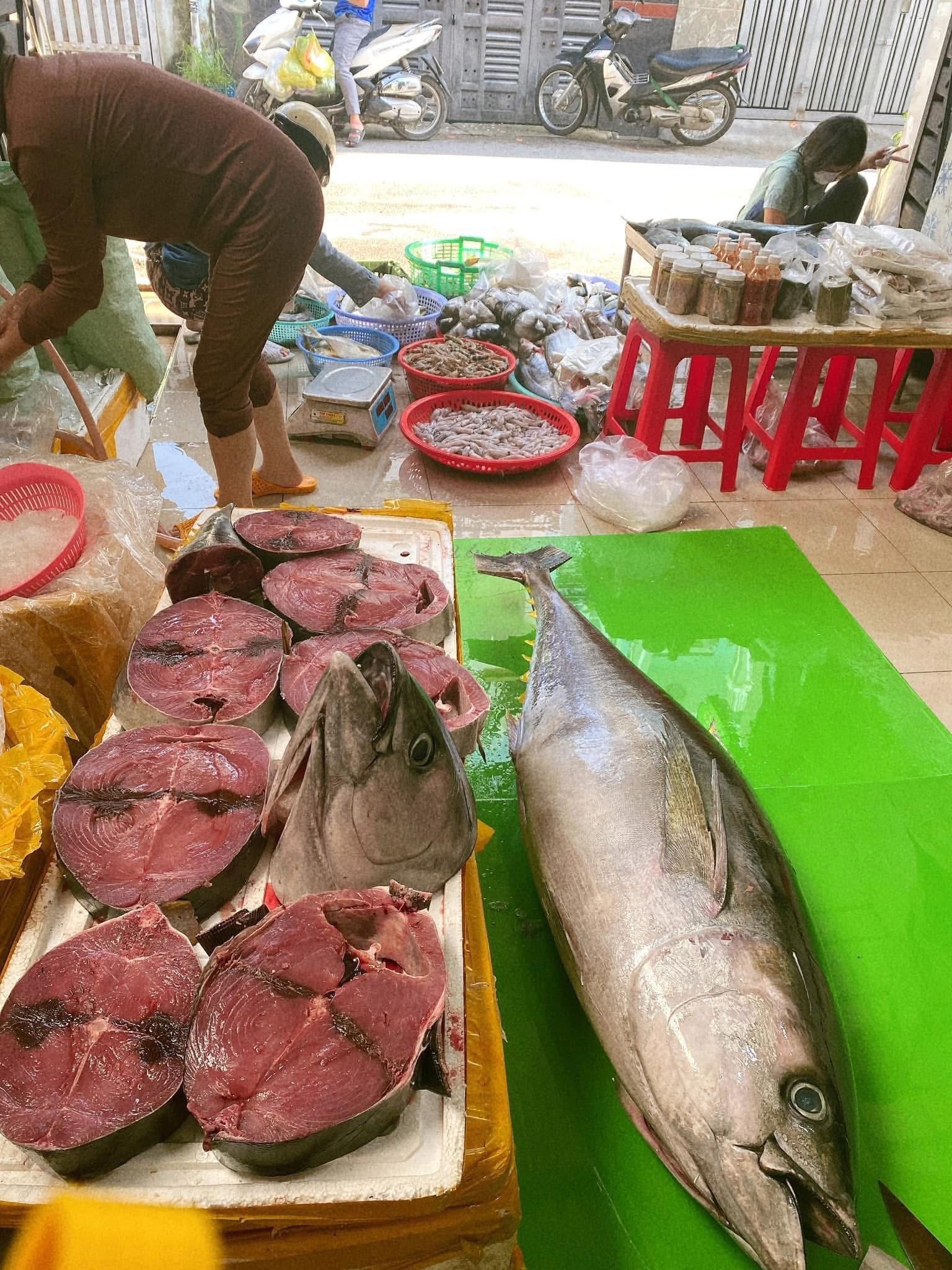
Answer: In Japanese restaurants, they prefer large whole fish for Omakase knife skills demonstrations. Meanwhile, household consumers highly favor small, easy-to-thaw, and ready-to-eat Saku-cut ocean tuna portions.
4. Which distribution channel is experiencing the most explosive growth for ocean tuna?
Answer: Fresh E-commerce platforms with rapid delivery within 30 minutes, and the O2O model (like Hema supermarkets) are completely transforming the traditional distribution landscape.
5. What competitive advantages does Vietnamese ocean tuna have over tuna caught by Chinese vessels?
Answer: Vietnam's fishing grounds have favorable ecological conditions, producing yellowfin tuna with exceptional elasticity and natural redness, meeting high-end Sashimi standards that domestic catches struggle to match.
6. What are the biggest barriers to entering China's ocean tuna import market?
Answer: These include stringent customs procedures (GACC registration, traceability), extremely high food safety and quarantine standards, and the pressure to maintain a deep-frozen (-60°C) cold chain supply throughout long-distance transportation.
7. Does the company support Chinese partners in researching the local ocean tuna market?
Answer: Yes. We continuously update import-export data, packaging trend preferences, and price fluctuations to advise strategic partners on the most profitable import strategies.
8. What are the current trends for incorporating ocean tuna into traditional Chinese cuisine?
Answer: Very innovative. Besides raw consumption, Chinese chefs are using ocean tuna for premium spicy Sichuan hotpot, as fillings for high-end dumplings, or in grilled dishes for VIP guests.
9. How do Chinese holidays and festivals affect ocean tuna consumption?
Answer: Holidays (especially Lunar New Year and National Day) are 'sold out' periods. Ocean tuna consumption can increase 3-5 times the normal volume, requiring general agents to plan inventory accumulation months in advance.
10. How can one cooperate for direct ocean tuna distribution with the manufacturing plant?
Answer: Chinese businesses or commercial purchasing representatives can directly contact us via Hotline, WeChat, or Email. Our market development team will promptly connect and design an optimal cooperation solution.
Astra Aqua Contact Information
- Astra Aqua
- Address: 318 Phan Dinh Phung, Cau Kieu Ward, Ho Chi Minh City, Vietnam
- Hotline: 0938 925 489
- Email: sam.le@astraaquaco.com
- Tax Code: 0319091146
- Website: https://astraaquaco.com
If you are seeking in-depth data and a reliable supply source to conquer China's lucrative ocean tuna import market, partner with Astra Aqua today. We provide the solutions, you seize the market – together, we build sustainable prosperity.