

Singapore's Black Tiger Shrimp Import Standards – A Business Guide with Astra Aqua
Overview of Seafood Import Regulations in the Singapore Market
Singapore is recognized as having one of the most stringent food safety legal systems in the world. To introduce aquatic products into this market, exporting businesses must comply with a series of regulations issued by the Singapore Food Agency (SFA), especially for high-value, non-heat-processed seafood.
Contact Us: 0938 925 489
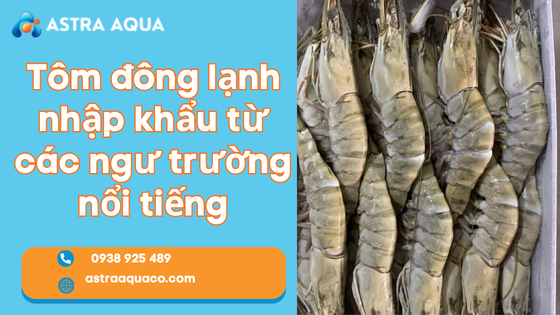
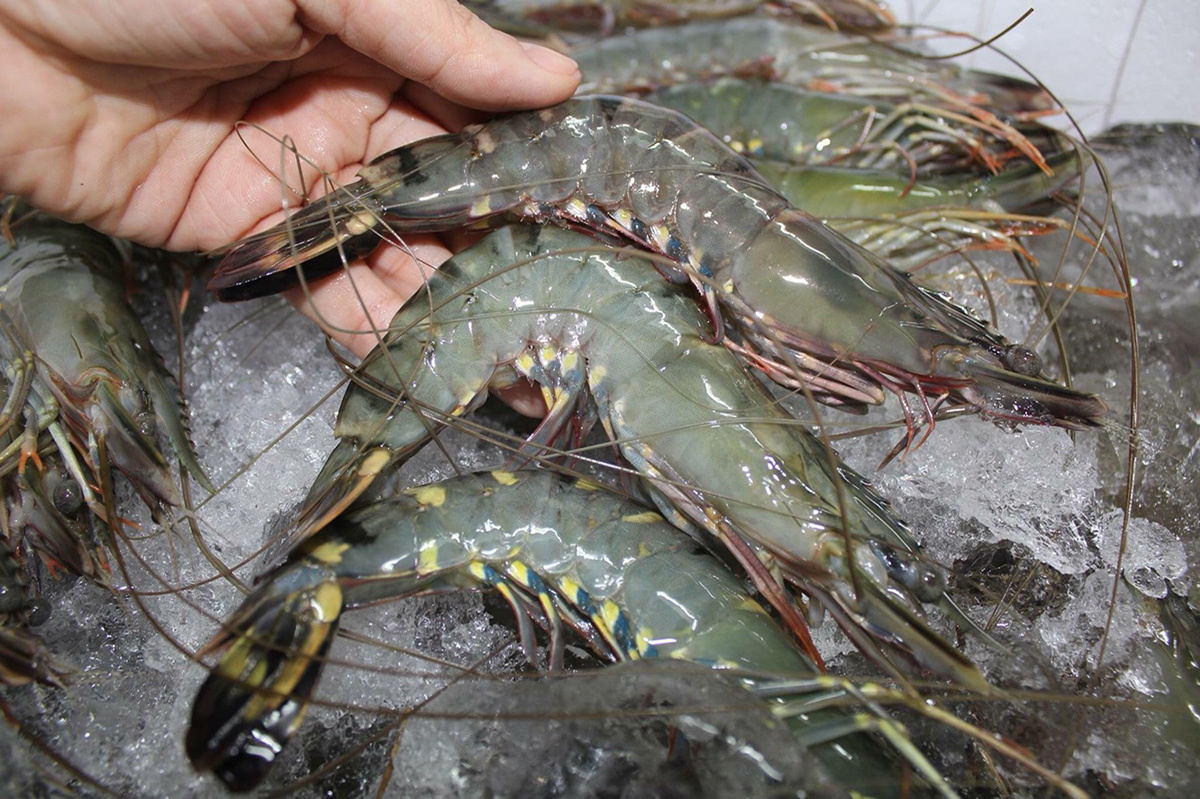
Among these, frozen black tiger shrimp consistently faces strict scrutiny from the cultivation stage in ponds to processing at the factory. Transparency regarding origin is key to successful customs clearance. Understanding this, Astra Aqua leads in standardizing processes, helping products easily overcome rigorous technical barriers.
Black Tiger Shrimp – Technical Barriers and Quality Standards in Singapore
Regulations on Chemical and Antibiotic Residues
The SFA enforces a zero-tolerance policy for many banned antibiotics in aquaculture, such as Chloramphenicol and Nitrofurans. Every batch of black tiger shrimp arriving at the port may be randomly sampled and tested for chemical, heavy metal, and veterinary drug residues.
Any violation discovered will result in the entire shipment of black tiger shrimp being destroyed or forced for immediate re-export. Therefore, strict control over the use of feed and biological products in farming areas is a critical factor for Vietnamese seafood exporters.
Pathogenic Microorganism Standards
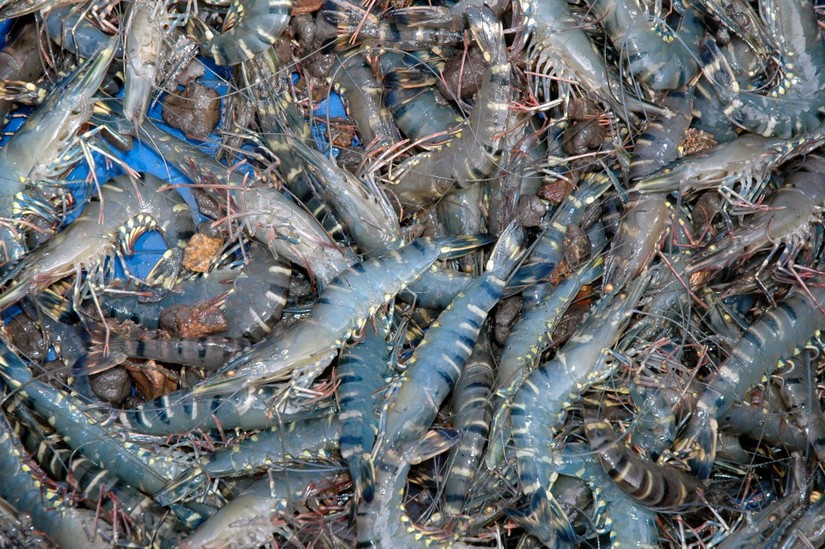
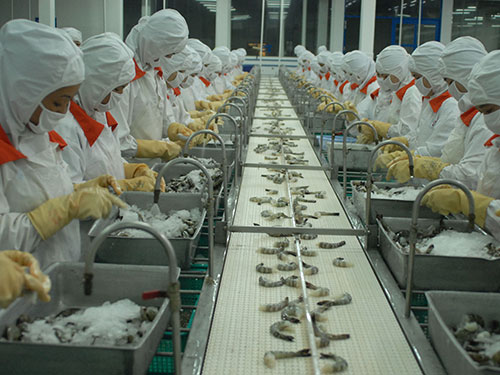
In addition to chemicals, Singapore also sets extremely low limits for pathogenic bacteria such as Salmonella, E. coli, and Vibrio cholerae in frozen seafood. Shrimp processing must occur in an absolutely sterile environment, with workers equipped with full protective gear to prevent cross-contamination.
Contact Us: 0938 925 489
Legal Documentation and Export Certificates for Black Tiger Shrimp to Singapore
Health Certificate
This is the primary mandatory legal document. The Health Certificate, issued by Vietnamese competent authorities (such as NAFIQAD), certifies that the shipment has undergone specialized inspection and fully meets the food safety standards of the importing country.
Any omissions or inaccuracies in the Health Certificate will lead to Singaporean customs refusing clearance. Professional exporting businesses must thoroughly review this document before the goods are loaded onto vessels.
Contact Us: 0938 925 489
Labeling and Packaging Requirements
Singapore's Food Labelling Act requires packaging to display information in English with utmost transparency. Specifically, this includes: trade name, scientific name of the shrimp species, net weight (excluding ice glaze), production date, expiry date, and information about the processing plant.
Astra Aqua – Partnering with Businesses to Meet SFA Standards
Internationally Certified Quality Management System
To penetrate the Singaporean retail chain deeply, Astra Aqua has implemented renowned quality management systems such as HACCP, BRC, and ISO. These serve as the most credible "passports" demonstrating the company's safe production capabilities in the international arena.
Thanks to our closed-loop process, we are confident in controlling risks from pond water quality to finished shrimp in cartons, providing absolute peace of mind to importing partners, distributors, and supermarkets.
100% Commitment to Passing SFA Inspection
Each batch of our frozen black tiger shrimp for export undergoes rapid testing and independent laboratory analysis before delivery. We guarantee that the product quality fully complies with the stringent regulations of the Singapore Food Agency.
Export Control Process for Black Tiger Shrimp at the Factory
Receiving and Evaluating Incoming Raw Materials
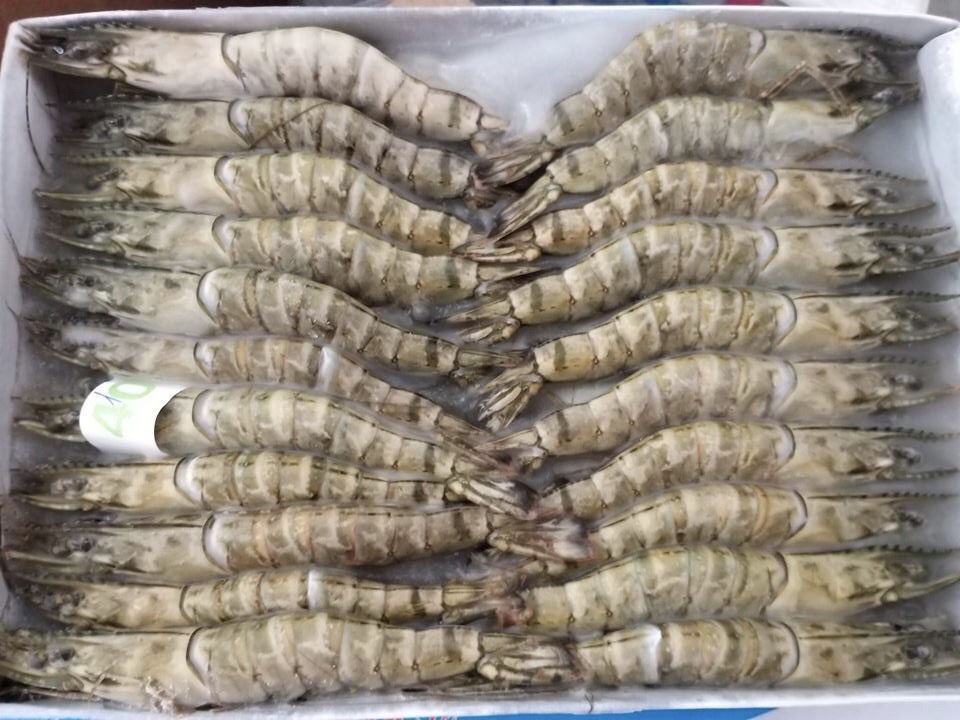
Raw materials arriving at the factory must be accompanied by clear farming records. The Quality Control team will conduct rapid tests for banned antibiotics at the receiving gate to completely eliminate any non-compliant batches based on ecological standards.
Contact Us: 0938 925 489
Ultra-Fast Freezing Process to Preserve Quality
Freshness is the most crucial measure of quality. Astra Aqua utilizes deep freezing technology at -40°C, helping shrimp retain their crisp texture, natural deep black shell color, meeting the highest sensory standards of the import market.
Controlled Glazing Ratio as per Regulations
Singapore has clear regulations on the accuracy of net weight. The glazing process, which protects the shrimp shell, is performed at a precise ratio, and this information is transparently stated on the packaging to ensure fair trade practices.
Necessary Certifications for Black Tiger Shrimp Exports
ASC and BAP Certifications (Best Aquaculture Practices)
Singaporean consumers are increasingly concerned about sustainability. Eco-certifications like ASC and BAP affirm that shrimp are farmed responsibly, without destroying natural ecosystems or coastal mangroves.
Halal Certification for a Multi-Religious Market
With a significant Muslim population, obtaining Halal certification expands opportunities for Vietnamese seafood products to enter restaurants and supermarkets serving the Muslim community in Singapore.
HACCP Certification in Seafood Processing
This is a mandatory requirement for seafood processing plants. The HACCP system helps identify, prevent, and control biological, chemical, and physical hazards throughout the entire frozen shrimp processing chain.
Contact Us: 0938 925 489
Experience in Handling Goods Upon Arrival in Singapore
SFA Sampling and Inspection Process
Upon arrival at PSA port, SFA personnel will seal the shipment and collect random samples for testing. While awaiting results, the shipment must be stored in designated cold storage facilities to prevent product degradation.
Waiting Time and Demurrage/Detention Costs
Microbiological testing typically takes 3 to 5 days. Exporting businesses and importing partners need to coordinate closely on documentation to avoid incurring expensive demurrage and detention (DEM/DET) charges at Singaporean ports.
Risk Management for Non-Compliant Goods
In the unfortunate event that test results detect antibiotics or harmful bacteria, the business will be forced to re-export the shipment or bear the full cost of destruction in accordance with Singapore's strict legal regulations.
The Role of Logistics Partners in Shrimp Exports
Maintaining the cold chain at -18°C is a prerequisite. Any temperature disruption can lead to a loss of freshness in seafood shipments, risking rejection by SFA officials at the port.
End-to-End Solutions from Production to Customs
Astra Aqua not only provides SFA-compliant products but also offers professional import-export legal consulting services. We assist in preparing all necessary documentation, significantly reducing inspection time in the destination country.
With years of practical experience, our team anticipates and thoroughly resolves potential risks, safeguarding the interests and profits of our partners.
Towards a Transparent and Sustainable Shrimp Supply Chain
Adherence to strict regulations is not just an obligation but an opportunity to elevate the Vietnamese seafood brand. We believe that process transparency will help the domestic seafood industry maintain its top position in the eyes of Singaporean consumers.
Long-Term Vision for Vietnamese Seafood
Anticipating changes in Singapore's food import policies, Astra Aqua continuously invests in clean farming technologies, committed to providing a safe, compliant, and sustainable supply of eco-friendly black tiger shrimp for the future.
10 Frequently Asked Questions About Import Standards
1. Which authority manages shrimp imports in Singapore?
Answer: The Singapore Food Agency (SFA) is responsible for issuing regulations and directly inspecting all imported seafood shipments.
2. Does Singapore ban antibiotics in frozen seafood?
Answer: Yes. SFA completely bans antibiotics such as Chloramphenicol, Nitrofurans, and sets extremely low maximum residue limits (MRLs) for other veterinary drugs.
3. What veterinary inspection certificate is required for frozen shrimp shipments to Singapore?
Answer: Shipments must have a valid Health Certificate issued by a competent Vietnamese state agency (such as NAFIQAD).
4. What is the acceptable glazing percentage for frozen shrimp in Singapore?
Answer: SFA does not prohibit glazing but requires manufacturers to accurately declare the net weight, excluding the water ice glaze on the packaging.
5. Is it mandatory to print English on export shrimp packaging?
Answer: Yes. All information on secondary labels, including ingredients, expiry dates, and factory details, must be translated into English in compliance with labeling laws.
6. How long does SFA's port sampling process take?
Answer: Typically, the process of port sampling and awaiting microbiological/chemical test results from the lab takes 3 to 5 working days.
7. What happens if a shipment fails SFA testing?
Answer: The shipment will be immediately denied entry. The business will be required to re-export or bear all costs of product destruction according to Singapore's legal regulations.
8. Is Halal certification required for shrimp exports to Singapore?
Answer: It is not mandatory, but having Halal certification can help products reach a large Muslim customer base in major supermarkets.
9. What temperature is required for frozen seafood during customs clearance?
Answer: The refrigerated container temperature must be maintained continuously at -18°C (or lower) throughout sea transport and port storage.
10. Does Astra Aqua assist with Singapore import procedures?
Answer: Yes, we provide a complete set of internationally compliant documentation and specialized consulting to help partners clear their seafood shipments smoothly and cost-effectively.
Contact Information for Astra Aqua
- Astra Aqua
- Address: 318 Phan Dinh Phung, Cau Kieu Ward, Ho Chi Minh City, Vietnam
- Hotline: 0938 925 489
- Email: sam.le@astraaquaco.com
- Website: https://astraaquaco.com
- Tax Code: 0319091146
Vietnamese frozen black tiger shrimp must strictly adhere to quality standards to establish a strong presence in the Singapore market. With deep expertise, Astra Aqua is committed to being a steadfast bridge, helping ecological shrimp products pass all inspections and thrive internationally.